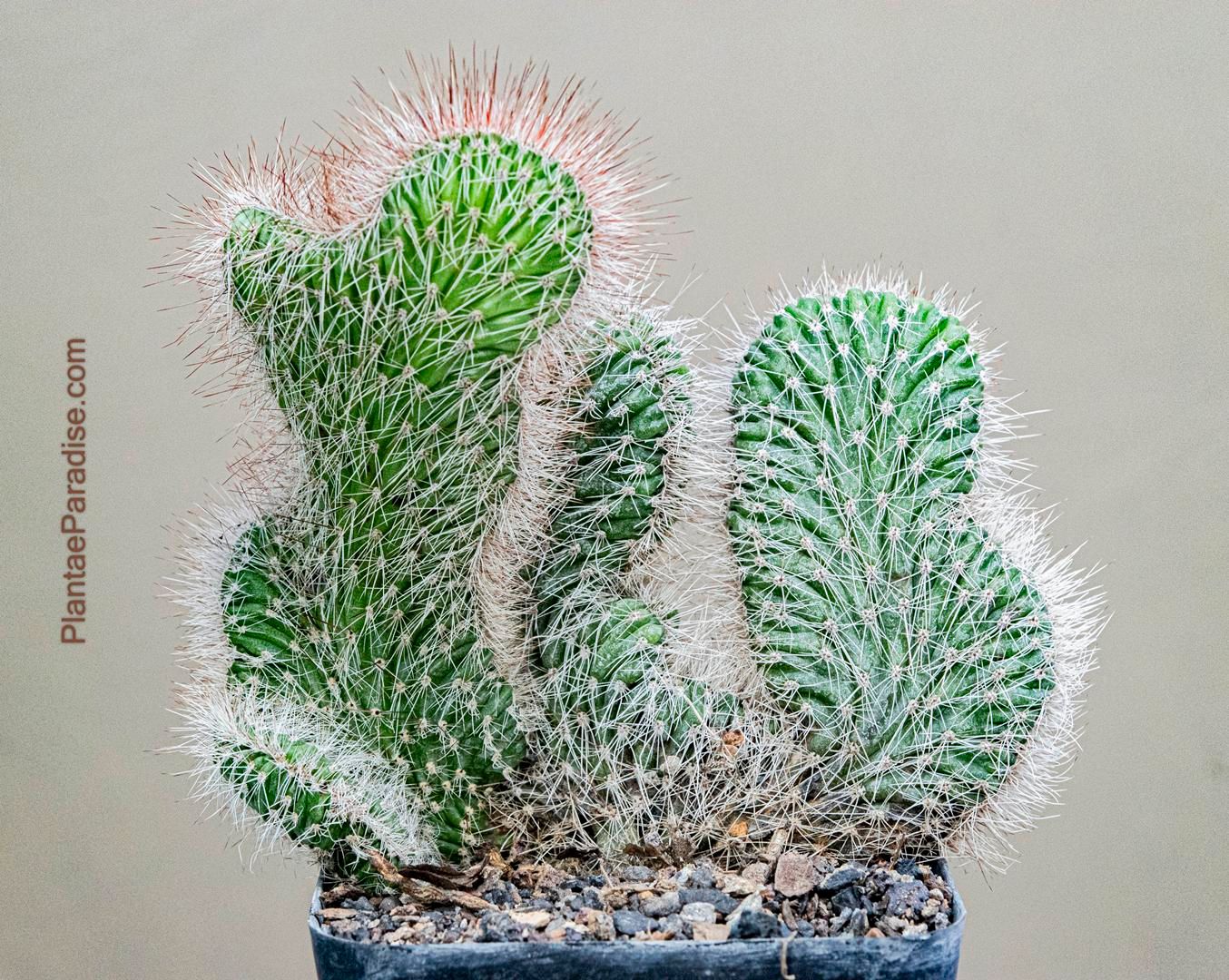
1. Etymology: The name Nyctocereus serpentinus likely combines "Nyctocereus" as the genus name and "serpentinus" potentially referring to the serpent-like appearance of the plant or its ability to snake and climb. The term "f. cristata" indicates a crested or fan-shaped mutation, resulting in the distinct cristate growth form.
2. Origin of Plant: Nyctocereus serpentinus is a cactus species native to regions of Central and South America, including countries like Mexico, Honduras, and Guatemala. The f. cristata variety may have been cultivated for its unique growth form.
3. Technical Description:
- Family: Cactaceae
- Genus: Nyctocereus
- Species: serpentinus
- Form: The f. cristata variety exhibits a crested growth habit, forming fan-shaped, undulating structures due to a genetic mutation resulting in abnormal growth patterns.
- Stems: The stems of Nyctocereus serpentinus f. cristata grow in a wavy, contorted manner, creating a unique and often ornamental appearance.
- Coloration: The stems may display various shades of green, sometimes with a bluish or purplish tint, enhancing the visual appeal.
- Growth Pattern: The cristate form of this species can exhibit slower growth rates compared to standard cacti due to its mutated growth structure.
4. Conservation Status: The exact conservation status of Nyctocereus serpentinus f. cristata may not be documented, particularly as cultivated varieties often don't have specific conservation assessments. It's important to practice responsible cultivation and trade to protect wild cactus populations.
5. Care Instructions:
- Light: Requires bright, indirect sunlight to maintain its health and coloration. Protect from intense, direct sunlight, especially during the hottest parts of the day.
- Watering: Water sparingly, allowing the soil to dry out partially between waterings. Overwatering can lead to root rot, particularly with crested forms that may be more prone to water retention.
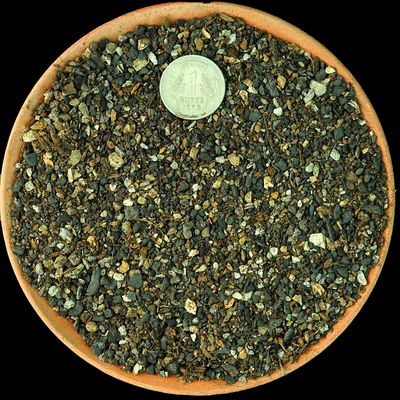
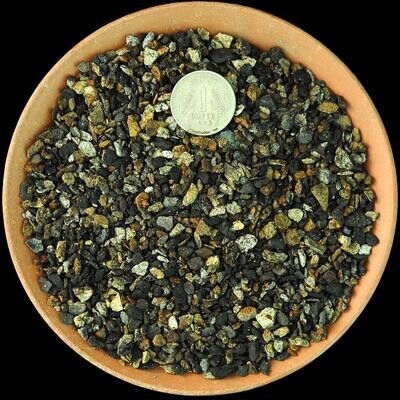
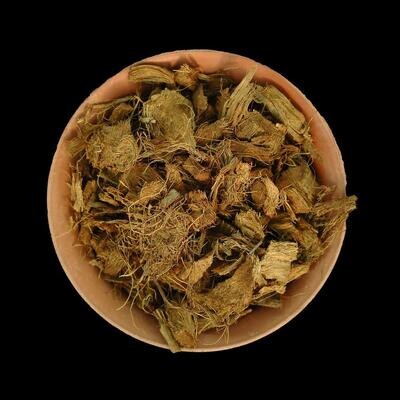
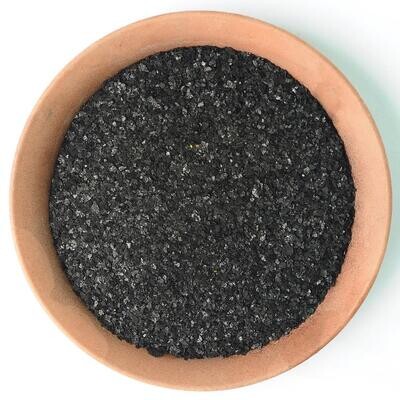
- Soil: Plant in a well-draining cactus mix to prevent waterlogging and ensure adequate aeration for the roots.
- Temperature: Thrives in warm temperatures, ideally between 18-27°C (65-80°F). Protect from cold drafts and frost.
- Humidity: Prefers lower humidity levels, making it suitable for arid environments and indoor cultivation.
- Fertilization: Feed sparingly with a balanced cactus fertilizer diluted to half strength during the growing season to provide essential nutrients.
- Propagation: Propagation of crested forms can be challenging. Consider seeking guidance from experienced growers or using established crested offsets for successful propagation.
Feel free to adjust an