Origin of Name
Agave ferdinandi-regis is named in honor of Ferdinand I, King of Bulgaria, reflecting the plant's regal and striking appearance. The species was described by Alwin Berger, a German botanist known for his extensive work on the Agavaceae family. The name pays tribute to royal elegance, which is mirrored in the plant's majestic form and texture.
Technical Description of Plant
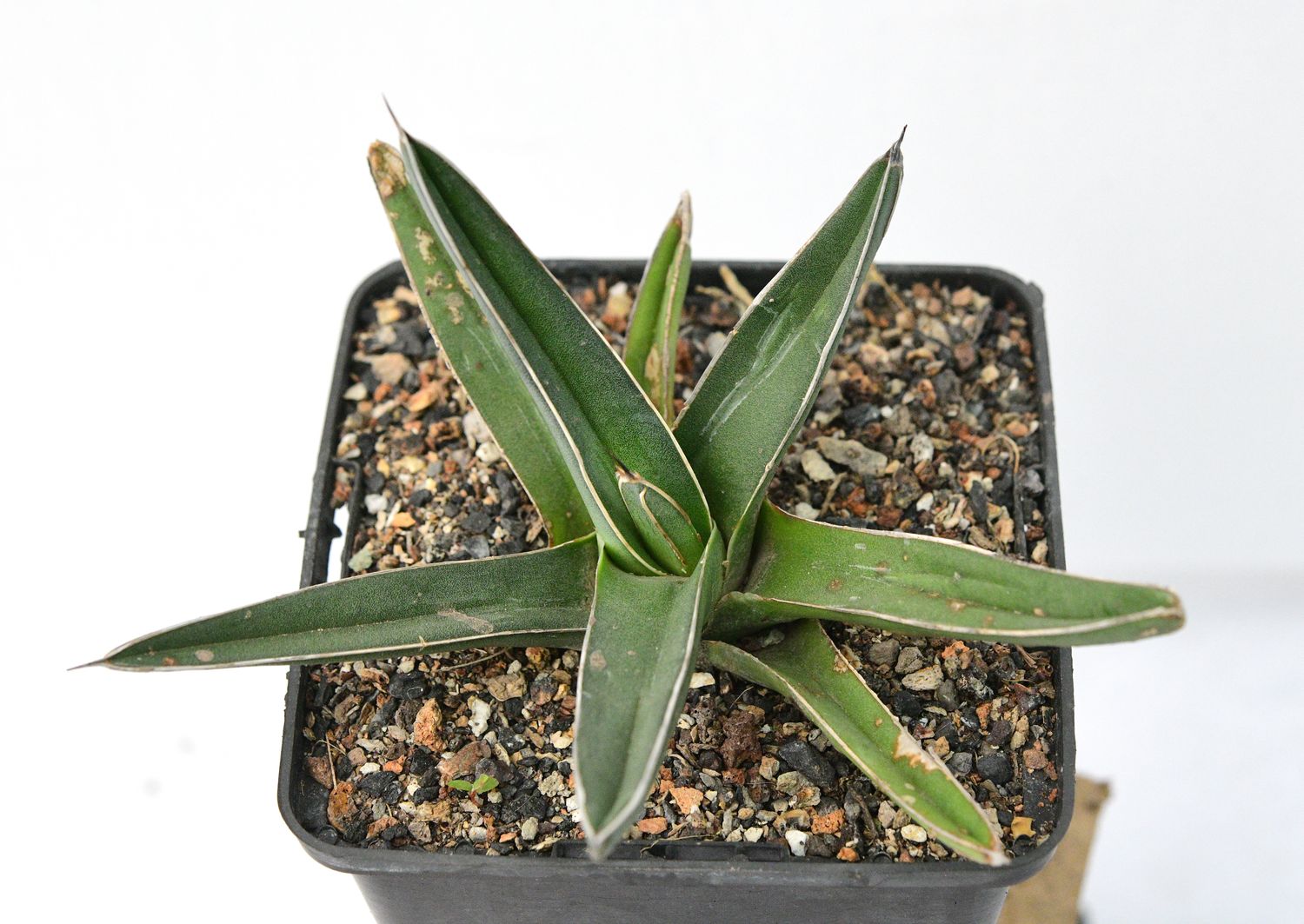
Agave ferdinandi-regis is a small to medium-sized agave known for its compact, symmetrical rosette of thick, rigid leaves. The leaves are deep green with a distinctive white or silver margin and are tipped with a dark, sharp spine. The leaf surface may also exhibit a beautiful pattern of white markings or imprints, adding to its ornamental appeal. Unlike many agaves, Agave ferdinandi-regis grows slowly and maintains a manageable size, making it an excellent choice for container gardening or as a striking landscape specimen. It rarely blooms, but when it does, it produces a tall spike with numerous yellow flowers.
Origin of Plant
Agave ferdinandi-regis is native to the highlands of northeastern Mexico, particularly in the state of Nuevo León. It thrives in arid, rocky environments, demonstrating remarkable drought tolerance and adaptation to harsh conditions.
Conservation Status
Agave ferdinandi-regis is considered Near Threatened in its natural habitat due to limited distribution and ongoing threats from land use changes and habitat destruction. Efforts to cultivate and propagate this species in gardens and nurseries play a crucial role in its conservation, providing an alternative to wild collection and helping to preserve genetic diversity.
Care Instructions
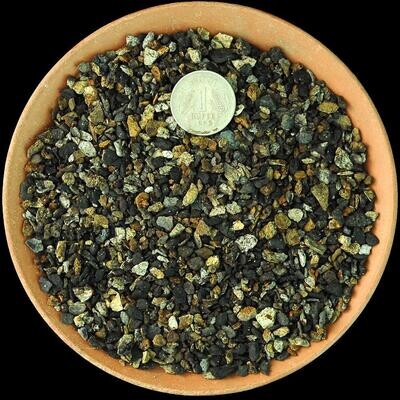
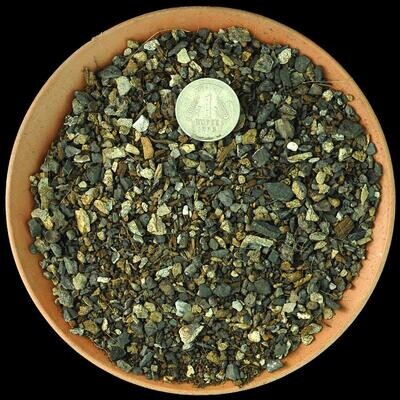
Agave ferdinandi-regis prefers full sun to partial shade, with bright light encouraging the most vibrant leaf coloration and markings. It requires well-draining soil, typical for succulents, to prevent root rot. Water moderately during the growing season, allowing the soil to dry out completely between waterings, and reduce watering in the winter months. This agave is cold-hardier than many tropical agaves but should be protected from frost in areas where temperatures drop below freezing. Minimal fertilization is needed; a light application of a succulent fertilizer in the spring can support healthy growth.