Agave isthmensis 'Kabutogani' is a mesmerizing cultivar celebrated for its dense rosette of broad, strap-like leaves and striking, ornamental appearance. Its unique, sculptural form makes it a captivating focal point in any desert or succulent garden.
1. Origin of Name:
The genus "Agave" derives from Latin, referring to the plant’s long, fibrous leaves and rosette growth habit. The species "ithmensis" points to its natural habitat or region in Mexico. The cultivar name 'Kabutogani' is a Japanese term, where "kabuto" means "helmet" and "gani" means "crab," describing the plant's broad, helmet-like rosette and intricate leaf patterning. This name emphasizes its distinctive, helmet-shaped appearance, reminiscent of a traditional Japanese armor or crab shell, highlighting its sculptural and ornamental appeal.
2. Origin of Plant:
Agave isthmensis 'Kabutogani' is a cultivated variety selectively propagated for its beautiful, dense rosette and remarkable leaf structure. It is a cultivar of Agave isthmensis native to Mexico, particularly from regions with semi-arid, rocky terrain. The 'Kabutogani' cultivar has been developed in Japanese and international horticultural collections, prized for its striking, helmet-like form and ornamental value, making it a popular choice for modern garden designs and succulent enthusiasts globally.
3. Description:
This cultivar features a dense, symmetrical rosette of broad, long leaves that are slightly curved and tapering to a point. The leaves are a vibrant silvery-green with prominent, raised white or light-colored margins—sometimes with intricate, netted or striped patterns that enhance its armored, helmet-like silhouette. The leaves’ broad, flat surface and their overlapping arrangement give the plant a robust, sculptural presence, similar to a traditional samurai helmet or crab shell. During the growing season, tiny, tubular white or yellowish flowers may appear on tall stalks, but its primary appeal lies in its striking, helmet-shaped rosette.
4. Conservation Status:
As a cultivated hybrid and ornamental cultivar, Agave isthmensis 'Kabutogani' is propagated extensively in nurseries, and wild populations are not threatened. Its popularity in modern landscapes and container plantings supports responsible cultivation, ensuring the plant’s beauty remains accessible while promoting sustainable practices and conservation.
5. Care:
- Lighting: Bright, direct sunlight; full sun exposure encourages vibrant coloration and a sturdy, helmet-like growth form.
- Watering: Water sparingly, allowing soil to completely dry out between waterings. Reduce watering in winter.
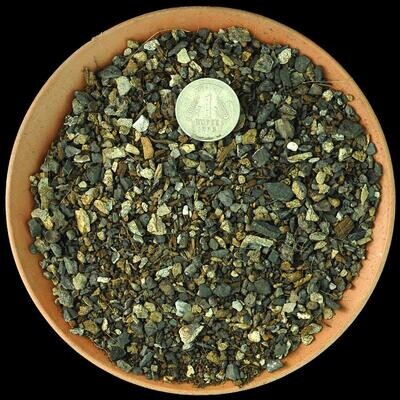
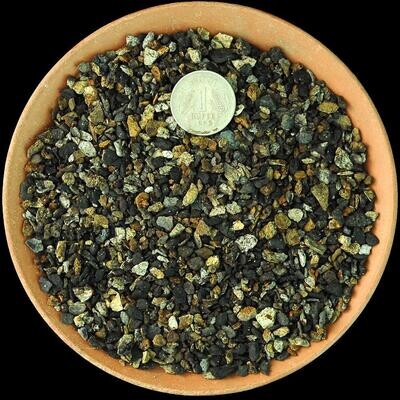
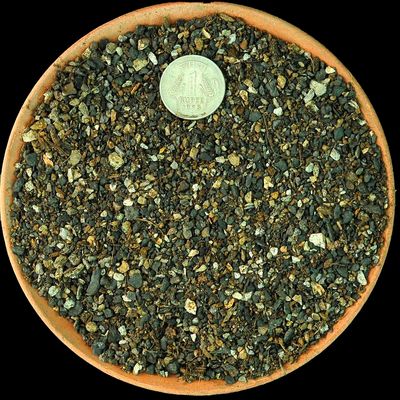
- Soil: Use a well-draining cactus or succulent mix with coarser sand, gravel, or pumice to prevent excess moisture.
- Temperature: Prefers warm, dry conditions between 65°F and 85°F (18°C to 29°C). Protect from frost—bring indoors or use frost covers during cold weather.
- Additional Tips: Proper drainage and careful watering are essential to prevent root rot. Fertilize lightly during the active growing season with a diluted cactus fertilizer.
6. Interesting Anecdote:
Named “Kabutogani,” meaning “helmet crab,” this agave’s broad, layered leaves resemble a suit of armor or a crab’s shell, symbolizing resilience and protection. In traditional Japanese art and culture, this plant’s armored, helmet-like appearance evokes imagery of honor, strength, and durability—qualities highly valued in nature and human history. Its sculptural form has inspired traditional crafts and modern garden design—standing as a miniature, living fortress of resilience and ornamental artistry.
Add Agave isthmensis ‘Kabutogani’ to your collection for a stunning, helmet-shaped centerpiece—an architectural marvel embodying strength, beauty, and natural resilience!