

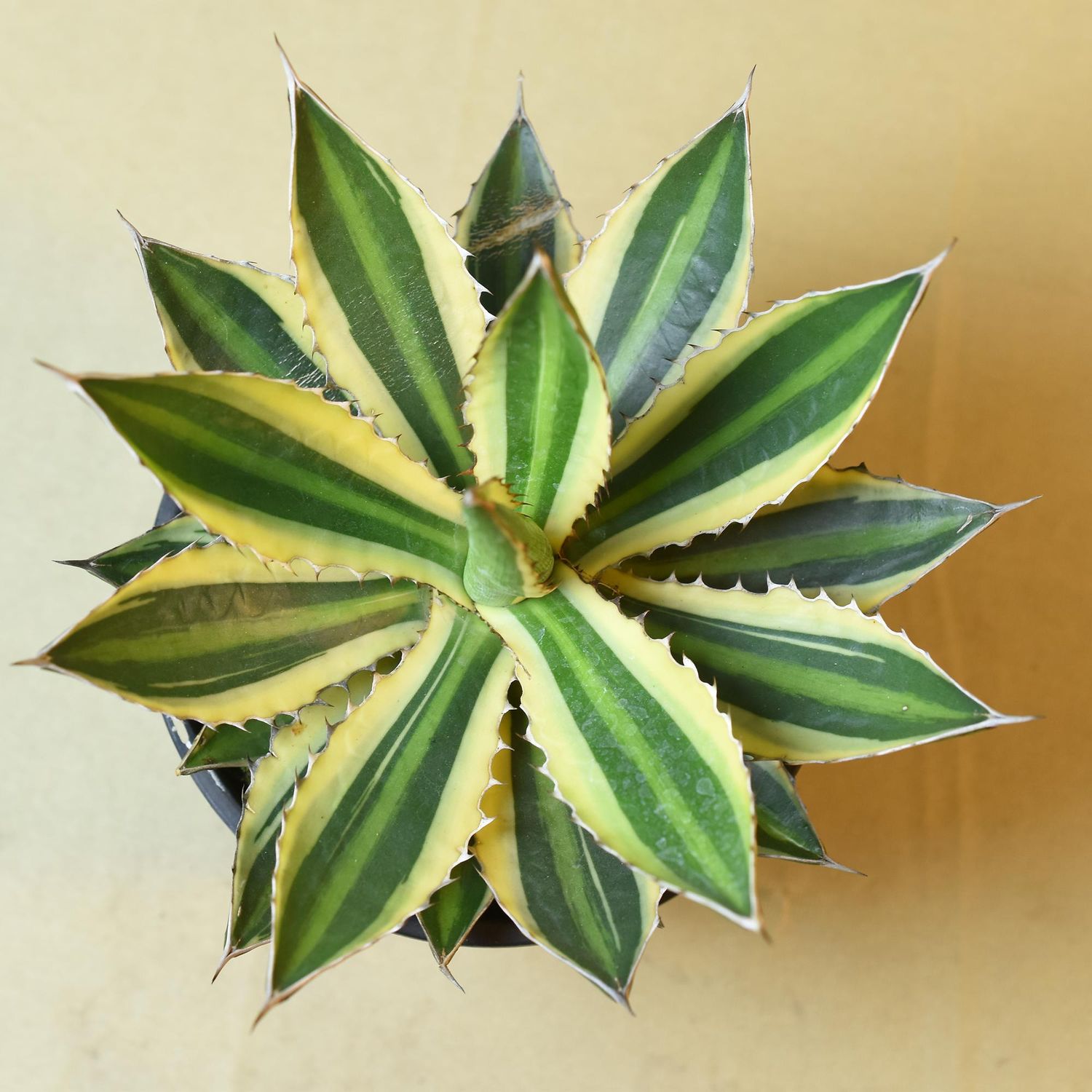
Agave lophantha quadricolor
Product Details
Vibrant Architectural Star: Agave lophantha 'Quadricolor'
A multi-tonal masterpiece featuring four distinct colors on a single striking architectural form.
- Origin & History of Name: The genus name Agave comes from the Greek agauos, meaning "noble" or "illustrious."
The species name lophantha translates to "crested flower." The cultivar name 'Quadricolor' highlights its unique four-colored variegation: a dark green center, light green mid-stripes, yellow margins, and reddish teeth that appear when grown in bright light. - Morphology: This plant is a small, clumping succulent that forms a radial rosette of stiff, lance-shaped leaves.
Its unique variegation consists of four distinct longitudinal bands of color across the epidermis. Each leaf margin is lined with distinct, backward-curving teeth (marginal spines) that turn a reddish-brown hue under high light intensity, providing a sharp contrast to the pale yellow edges. - Habitat & Origin: This is a selected cultivar of Agave lophantha, a species native to the Rio Grande valley in Texas and down through eastern Mexico. While the parent species is wild, the 'Quadricolor' selection is stabilized through nursery cultivation. All specimens are produced via offsets or tissue culture, ensuring zero depletion of wild succulent populations.
- Cultivation Profile:
- Substrate: Use a highly porous, mineral-based mix (e.g., 60% volcanic rock or crushed brick, 40% compost). In the Indian subcontinent, avoid heavy clay soils that retain moisture during monsoons.
- Light: Thrives in full sun to partial shade.
In North India, some afternoon shade during May and June prevents leaf scorch; in South India, it can handle full sun year-round. - Water/Dormancy: Follow a "soak and dry" method. Provide minimal water during the winter dormancy period (December–January) and ensure excellent drainage to survive the heavy rainfall of the Indian monsoon season.
- Scientific/Historical Anecdote: Agaves are often called "Century Plants" due to a long-standing myth that they bloom only once every 100 years. While Agave lophantha actually blooms after 10–20 years, it remains monocarpic, meaning the mother plant puts all its energy into one massive flower spike before dying, leaving behind "pups" or offsets to carry on the lineage.
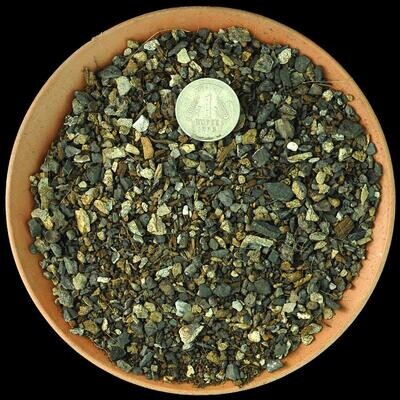
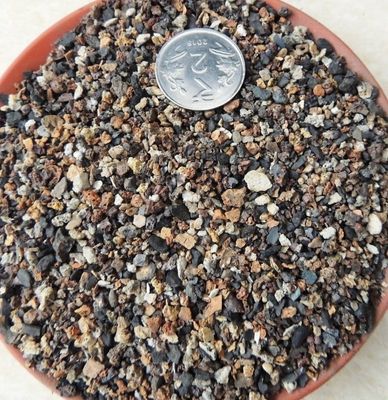
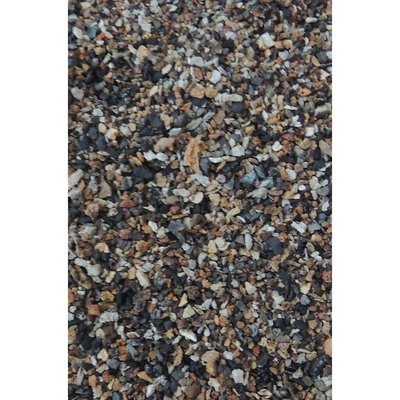
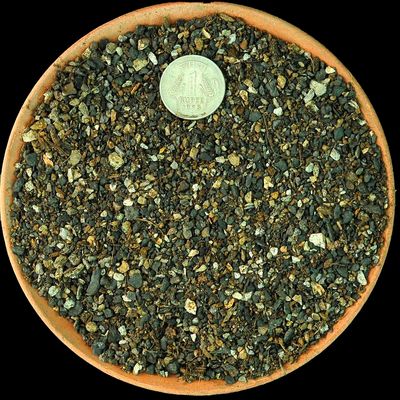
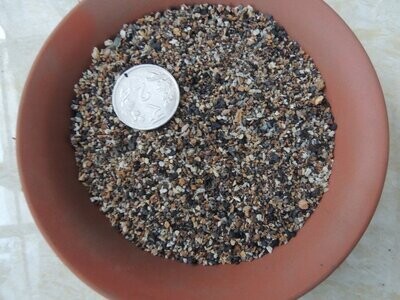
Cactus & Succulent Planting Mix FINE (aka Cactus Soil Mix or Succulent Soil Mix)
Cactus & Succulent Planting Mix FINE (aka Cactus Soil Mix or Succulent Soil Mix)
Fine-Grain Potting Mix for Cactus & Succulent Roots
SKU MNS001
₹39.85
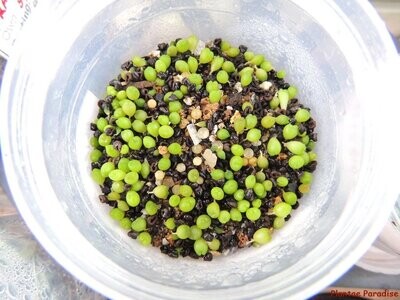
Cactus Seed Planting Mix
Cactus Seed Planting Mix
Sterile, Fine-Grain Media for Cactus & Succulent Seeds
SKU MNS005
₹74.85