

Agave Potatorum
Product Details
Symmetry in Stone: Agave potatorum
A compact, highly-architectural succulent celebrated for its tight rosette formation and dramatic marginal spines.
- Origin & History of Name: The genus name Agave stems from the Greek agauos, meaning "noble" or "illustrious."
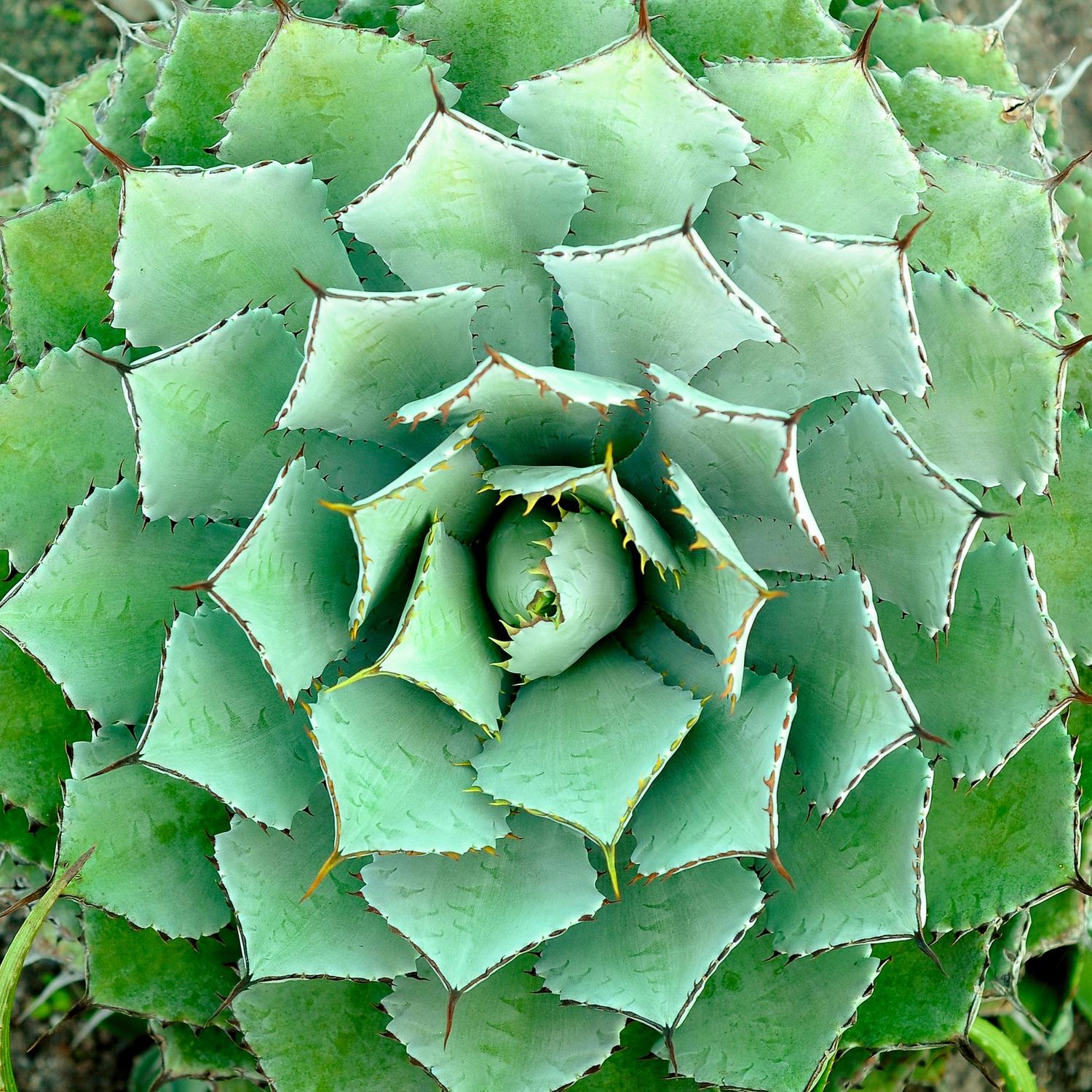
The specific epithet potatorum is the genitive plural of the Latin potator (drinker), literally translating to "of the drinkers." This name was assigned by German botanist Joseph zu Salm-Reifferscheidt-Dyck in the mid-19th century, referencing the plant's traditional use in Mexico for producing fermented beverages. - Morphology: This species is characterized by a dense, globose rosette of glaucous, blue-grey leaves.
The epidermis features a waxy bloom that protects it from UV radiation. Each leaf margin is lined with distinct, often reddish-brown teeth (spines) that leave prominent "bud imprints" on the back of the succeeding leaves as they unfurl, creating a complex, embossed geometric pattern. - Habitat & Origin: Agave potatorum is a wild species endemic to the semi-arid highlands of Puebla and Oaxaca, Mexico.
It typically grows at altitudes between 1,200 and 2,400 meters. For the commercial market, specimens are nursery-propagated via seeds or tissue culture to prevent the poaching of wild populations, ensuring botanical sustainability. - Cultivation Profile:
- Substrate: Requires an open, mineral-heavy substrate. A mix of 60% coarse sand/grit and 40% organic compost is recommended to ensure rapid drainage during the Indian monsoon.
- Light: Thrives in bright indirect light to filtered sunlight.
In the intense heat of Central and South India, afternoon shading is vital to prevent leaf scorch, though high light is necessary to maintain the tight rosette form. - Water/Dormancy: Utilize the intermittent saturation method. Water deeply only when the medium is completely dry. In the Indian winter, reduce frequency significantly as the plant’s metabolic rate slows, though it does not enter a true total dormancy like deciduous species.
- Scientific/Historical Anecdote: Unlike many larger Agave species that reproduce primarily through clonal "pups" or offsets, Agave potatorum is largely semelparous and relies heavily on seed production.
It spends years—sometimes decades—storing energy for a single, massive flowering event, after which the mother plant dies, having exhausted all its resources to produce a tall, branched inflorescence.
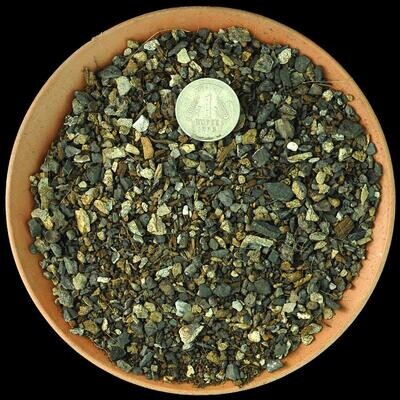
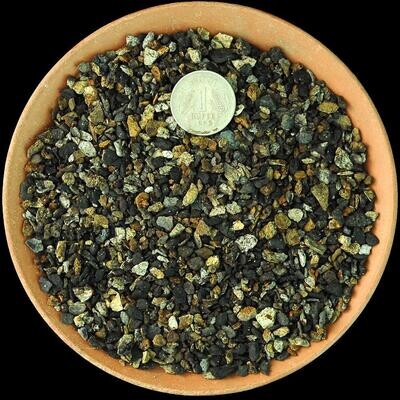
Cactus & Succulent Planting Mix COARSE (aka Cactus Soil Mix or Succulent Soil Mix)
Cactus & Succulent Planting Mix COARSE (aka Cactus Soil Mix or Succulent Soil Mix)
Washed, Free-Draining Mineral Mix for Cactus & Succulents
SKU MNS003
₹44.85
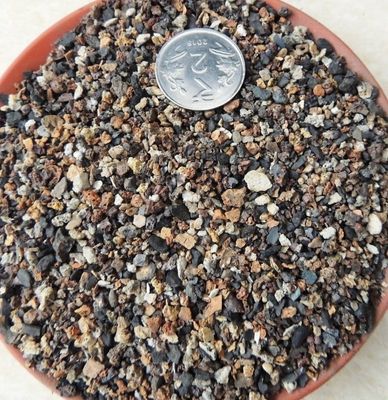
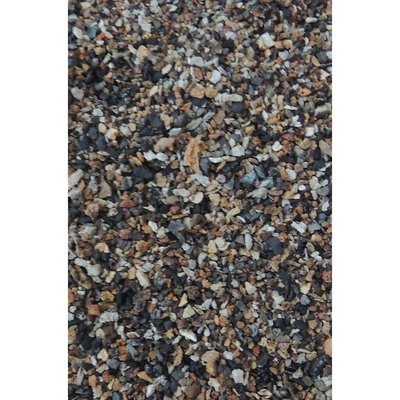
Cactus & Succulent Planting Mix FINE (aka Cactus Soil Mix or Succulent Soil Mix)
Cactus & Succulent Planting Mix FINE (aka Cactus Soil Mix or Succulent Soil Mix)
Fine-Grain Potting Mix for Cactus & Succulent Roots
SKU MNS001
₹39.85
New
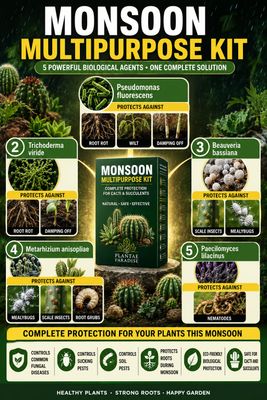
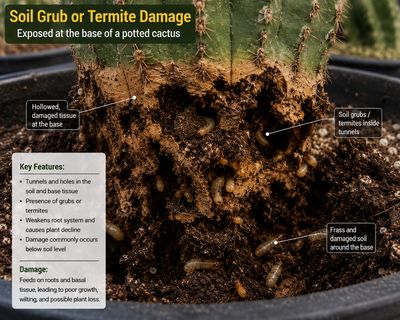
Monsoon Guardian Kit (5 in 1)
Monsoon Guardian Kit (5 in 1)
Complete 5-in-1 biological protection kit for cacti & succulents
SKU MNS024
₹850.00