

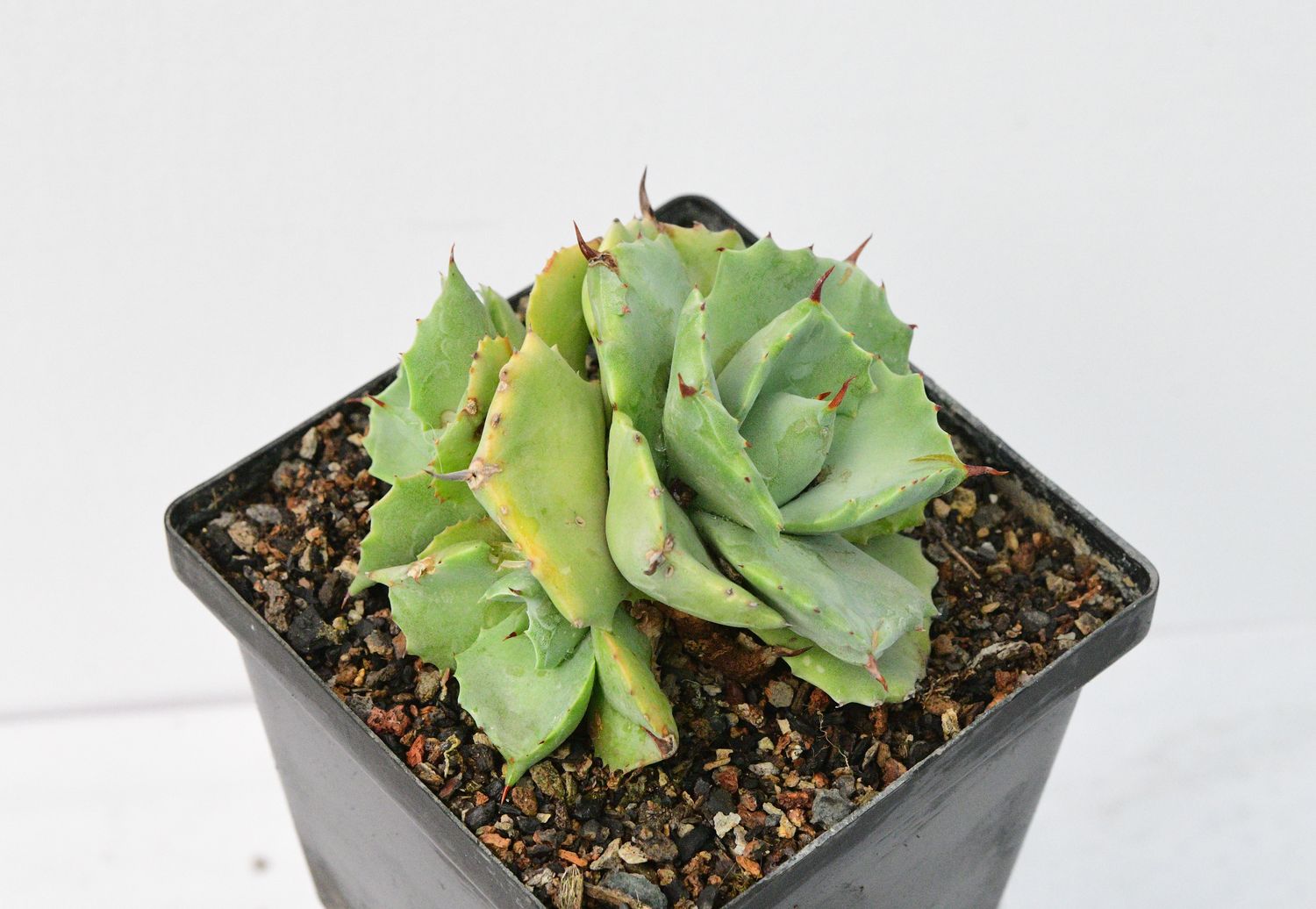
Agave Potatorum cv. SHOJI-RAIJIN
Product Details
Architectural Perfection: Agave potatorum cv. 'Shoji-Raijin'
Own a living masterpiece of symmetry with this highly coveted, blue-toned dwarf specimen.
- Origin & History of Name: The species name potatorum stems from the Latin potator, meaning "of the drinkers," referencing the use of its sap in producing pulque. This specific cultivar, 'Shoji-Raijin', is a Japanese selection; "Raijin" translates to the "God of Thunder," while "Shoji" refers to the traditional Japanese sliding doors or screens, likely alluding to the plant's precise, structural patterns.
- Morphology: This cultivar is a dwarf globose succulent characterized by thick, spatulate leaves that form a tight, cabbage-like rosette. The epidermis displays a glaucous, powder-blue finish, often tipped with small, reddish-brown marginal spines and a distinct terminal spine. Unlike the type species, 'Shoji-Raijin' maintains a highly compact form, rarely exceeding 10-15 cm in diameter.
- Habitat & Origin: This is a nursery-produced cultivar of Japanese origin, specifically bred for the "mame" (miniature) succulent market. While its parent species, Agave potatorum, is native to the semi-arid highlands of Oaxaca and Puebla, Mexico, this cultivar does not exist in the wild. Greenhouse propagation ensures a sustainable supply without impacting wild populations.
- Cultivation Profile:
- Substrate: Use a high-porosity, mineral-based mix (60% pumice or perlite, 20% coarse sand, 20% organic matter) to prevent root rot in humid Indian climates.
- Light: Provide bright, filtered sunlight. In the Indian subcontinent, avoid direct midday sun during peak summer (April-June) to prevent leaf scorch, though intense light is required to maintain its compact rosette.
- Water/Dormancy: Follow a "soak and dry" method. Reduce watering significantly during the monsoon and winter dormancy. Ensure the core of the rosette remains dry to avoid fungal pathogens.
- Scientific/Historical Anecdote: Agaves are "monocarpic," meaning they typically flower once at the end of a long life cycle and then perish. However, dwarf cultivars like 'Shoji-Raijin' are prized for their longevity in a juvenile state; they rarely flower in cultivation, allowing the collector to enjoy their symmetrical vegetative form for decades.
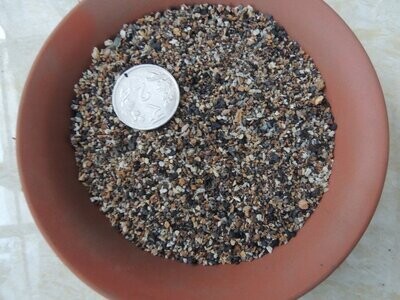
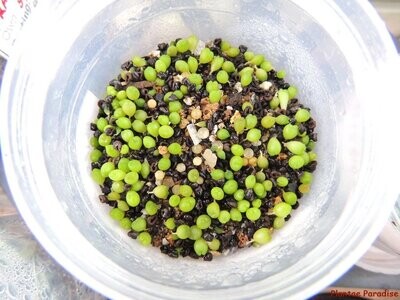
Cactus Seed Planting Mix
Cactus Seed Planting Mix
Sterile, Fine-Grain Media for Cactus & Succulent Seeds
SKU MNS005
₹74.85
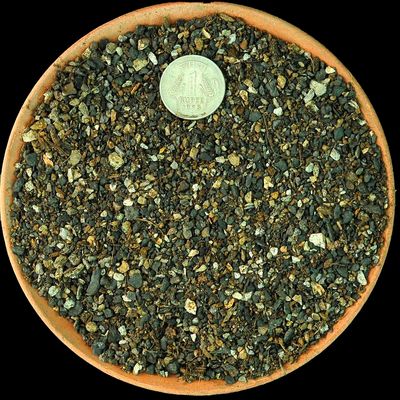
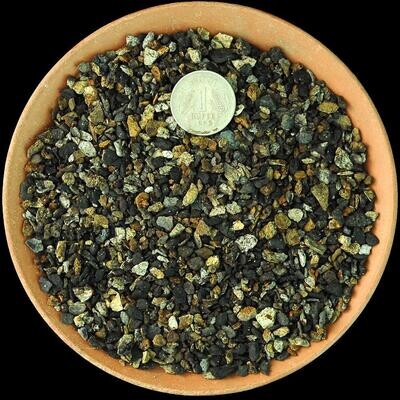
Cactus & Succulent Planting Mix COARSE (aka Cactus Soil Mix or Succulent Soil Mix)
Cactus & Succulent Planting Mix COARSE (aka Cactus Soil Mix or Succulent Soil Mix)
Washed, Free-Draining Mineral Mix for Cactus & Succulents
SKU MNS003
₹44.85
New
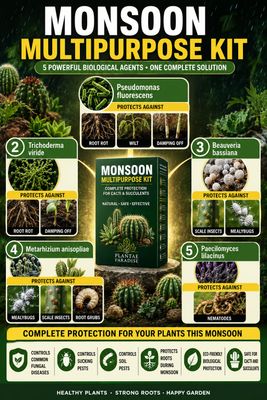
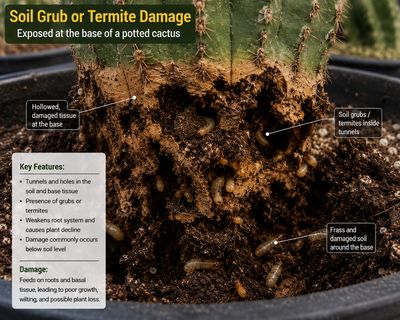
Monsoon Guardian Kit (5 in 1)
Monsoon Guardian Kit (5 in 1)
Complete 5-in-1 biological protection kit for cacti & succulents
SKU MNS024
₹850.00