

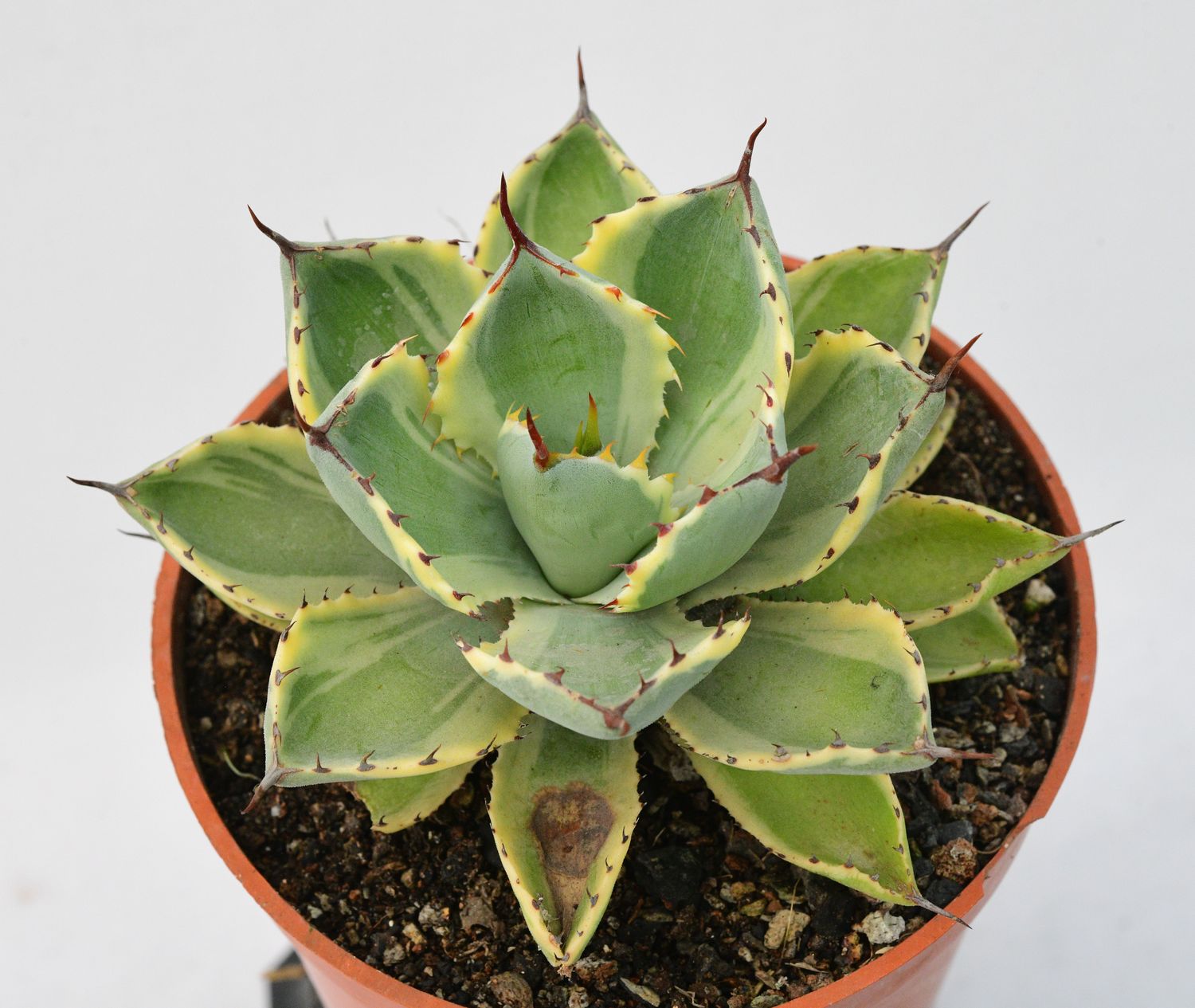
Agave potatorum kichiokan marginata (Dwarf var. butterfly agave)
Product Details
Gilded Symmetry: Agave potatorum 'Kichiokan Marginata'
A prestigious dwarf masterpiece featuring creamy peripheral variegation and the iconic butterfly-wing silhouette.
- Origin & History of Name: The genus name Agave comes from the Greek agauos, meaning "noble" or "illustrious."
The species name potatorum is Latin for "of the drinkers," a nod to its historical use in Mexico for fermenting alcoholic beverages. 'Kichiokan' is a Japanese cultivar name, reflecting the long-standing tradition of Japanese horticulturists in selecting and naming superior miniature succulent forms. - Morphology: This dwarf succulent grows in a tight, symmetrical rosette.
It features short, thick, spatulate leaves—curved like butterfly wings—with a glaucous blue-green epidermis. The 'Marginata' designation refers to the stable, creamy-yellow variegation along the leaf edges. Each leaf is tipped with a distinct, reddish-brown terminal spine and adorned with smaller marginal teeth along the undulating borders. - Habitat & Origin: This is a specialized cultivar of the Agave potatorum species, which is naturally found in the semi-arid highlands of Puebla and Oaxaca, Mexico. The 'Kichiokan' form was developed through selective breeding in Japan to emphasize the compact, "dwarf" habit and striking color contrast. Our stock is produced through sustainable nursery propagation, protecting wild highland ecosystems.
- Cultivation Profile:
- Substrate: Requires a coarse, mineral-based mix (volcanic rock, crushed brick, and coarse sand with minimal peat). High drainage is critical for the Indian monsoon season to prevent base rot.
- Light: Thrives in full sun to bright partial shade.
In the Indian subcontinent, afternoon shade is recommended during peak summer (May–June) to prevent the variegated margins from bleaching or "sun-stress" scorching. - Water/Dormancy: Water thoroughly once the substrate is dry to the touch. During the cool winter months (December–January), reduce watering significantly as the plant enters a semi-dormant state, requiring only enough moisture to prevent leaf shriveling.
- Scientific/Historical Anecdote: While this dwarf version is prized for its beauty, its wild ancestors were culturally vital to the Zapotec people. Botanically, Agave potatorum is "monocarpic," meaning it spends years—sometimes decades—storing energy for a single, spectacular flowering event before the mother plant dies.
This life cycle earned the genus the nickname "Century Plant," though this dwarf cultivar rarely flowers in domestic settings, maintaining its rosette form indefinitely.


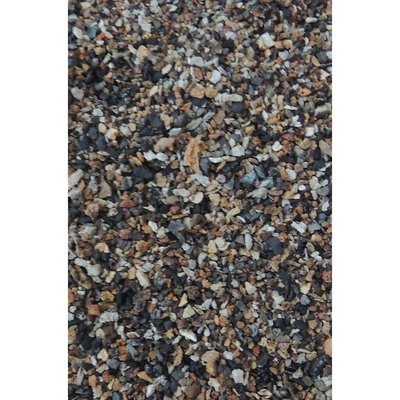
Cactus & Succulent Planting Mix FINE (aka Cactus Soil Mix or Succulent Soil Mix)
Cactus & Succulent Planting Mix FINE (aka Cactus Soil Mix or Succulent Soil Mix)
Fine-Grain Potting Mix for Cactus & Succulent Roots
SKU MNS001
₹39.85

New

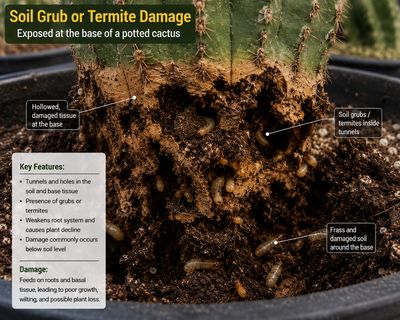
Monsoon Guardian Kit (5 in 1)
Monsoon Guardian Kit (5 in 1)
Complete 5-in-1 biological protection kit for cacti & succulents
SKU MNS024
₹850.00