

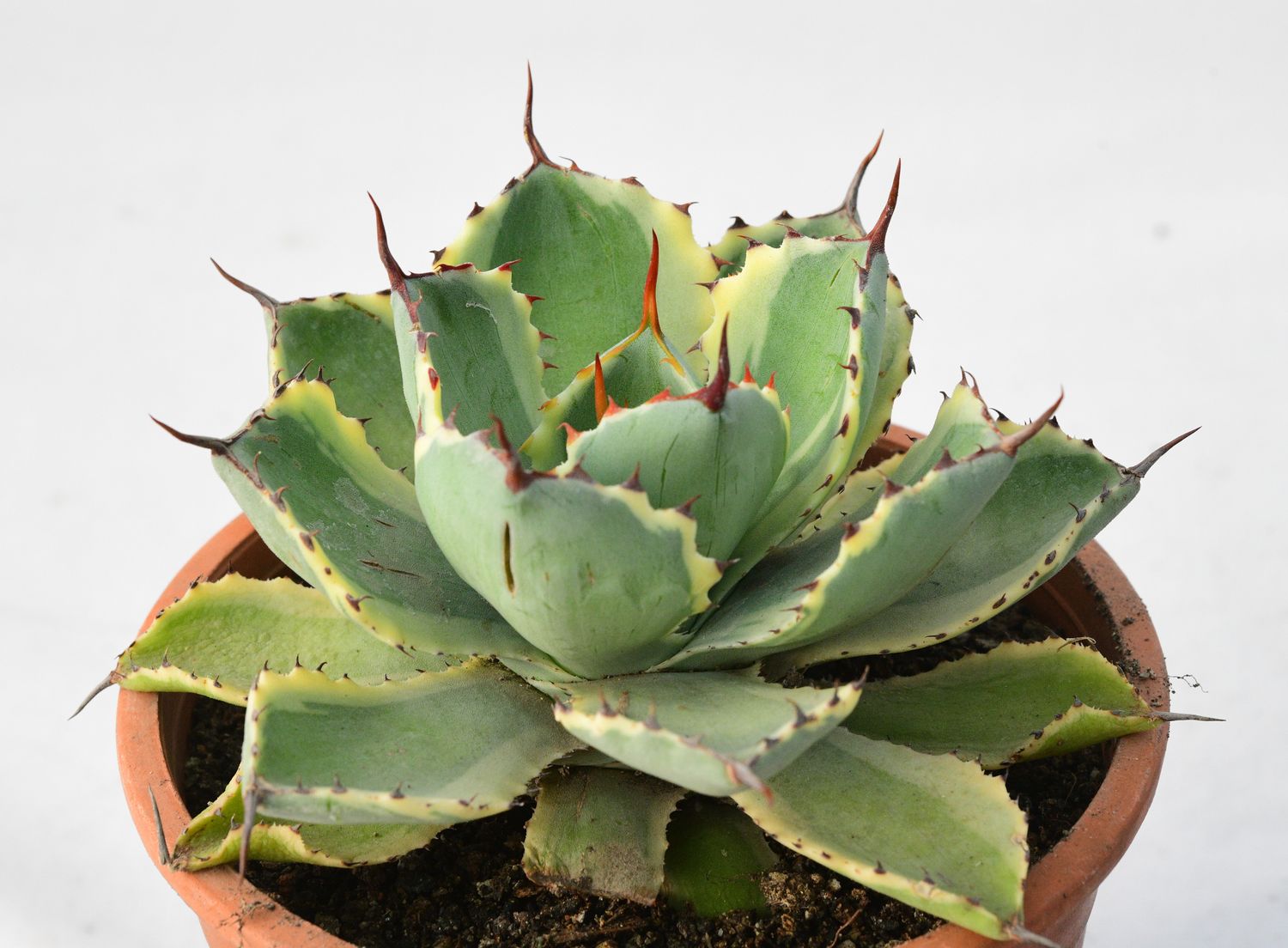
Agave potatorum kichiokan marginata (Dwarf var. butterfly agave)
Product Details
Sculptural Elegance: Agave potatorum 'Kichiokan' Marginata
A masterpiece of botanical geometry, this variegated dwarf agave is a prized jewel for connoisseurs of rare succulent forms.
- Origin & History of Name The specific epithet potatorum stems from the Latin potator, meaning "of the drinkers," referencing the use of the species in producing alcoholic beverages like pulque.
The cultivar name 'Kichiokan' is Japanese, translating roughly to "Lucky Crown" or "Noble Crown," reflecting the high esteem in which Japanese horticulturists held this mutation during its stabilization in the mid-20th century. - Morphology This cultivar is characterized by its compact, globose rosette.
The epidermis is a glaucous blue-green, featuring distinct marginal variegation in creamy yellow to ivory. The leaves are short, spatulate, and possess "teat-like" tubercles on the leaf undersides. Its leaf margins are armed with reddish-brown teeth, terminating in a sharp apical spine, while the overall symmetry mimics the outstretched wings of a butterfly. - Habitat & Origin Agave potatorum 'Kichiokan' Marginata is a cultivar, not a wild-occurring form.
While the parent species is native to the high-altitude desert regions of Puebla and Oaxaca, Mexico, this specific variegated dwarf form was refined through selective breeding in Japan. Our specimens are produced via sustainable micropropagation to protect wild populations from poaching. - Cultivation Profile
- Substrate: Requires a strictly mineral-based mix. Use a ratio of 70% inorganic material (pumice, perlite, or crushed leca) to 30% organic matter to ensure rapid drainage.
- Light: Thrives in bright, indirect sunlight. In the Indian subcontinent, protect from harsh afternoon sun (12 PM – 4 PM) to prevent scorching the variegated margins; a 50% shade net is ideal during summer.
- Water/Dormancy: Follow a "soak and dry" cycle. Water thoroughly when the substrate is bone-dry. During the monsoon and winter dormancy, reduce watering to once a month to prevent root rot in high-humidity zones.
- Scientific/Historical Anecdote While many Agaves are monocarpic (blooming once before dying), the potatorum species is known for its "Asparagus-like" flower spikes that can reach up to 6 meters in height. Historically, the broader species was so vital to indigenous Oaxacan cultures that it was often depicted in pre-Columbian codices as a symbol of fertility and divine providence.
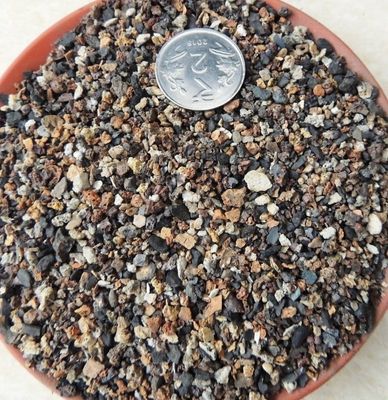
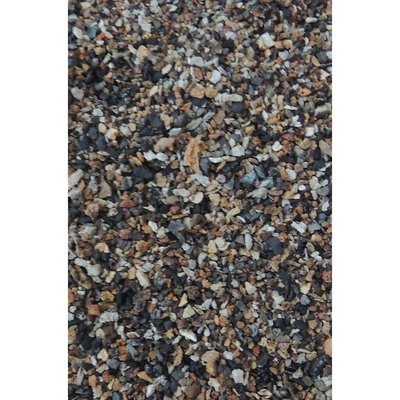
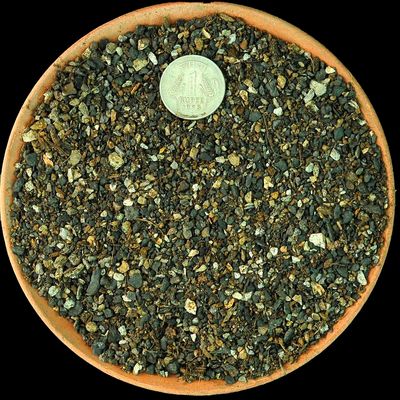
Cactus & Succulent Planting Mix FINE (aka Cactus Soil Mix or Succulent Soil Mix)
Cactus & Succulent Planting Mix FINE (aka Cactus Soil Mix or Succulent Soil Mix)
Fine-Grain Potting Mix for Cactus & Succulent Roots
SKU MNS001
₹39.85
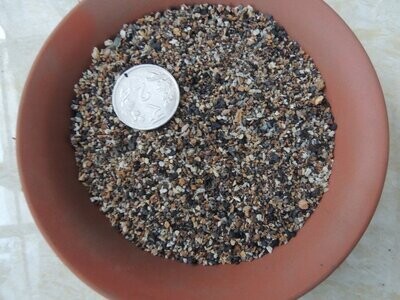
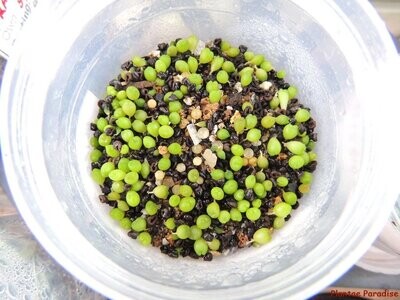
Cactus Seed Planting Mix
Cactus Seed Planting Mix
Sterile, Fine-Grain Media for Cactus & Succulent Seeds
SKU MNS005
₹74.85
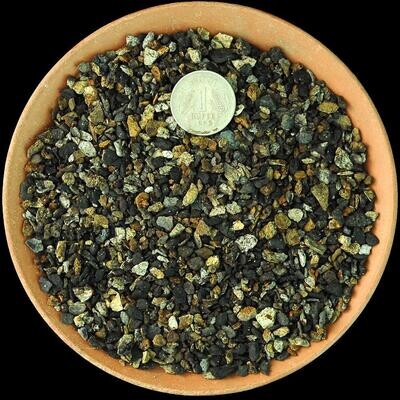
Cactus & Succulent Planting Mix COARSE (aka Cactus Soil Mix or Succulent Soil Mix)
Cactus & Succulent Planting Mix COARSE (aka Cactus Soil Mix or Succulent Soil Mix)
Washed, Free-Draining Mineral Mix for Cactus & Succulents
SKU MNS003
₹44.85