

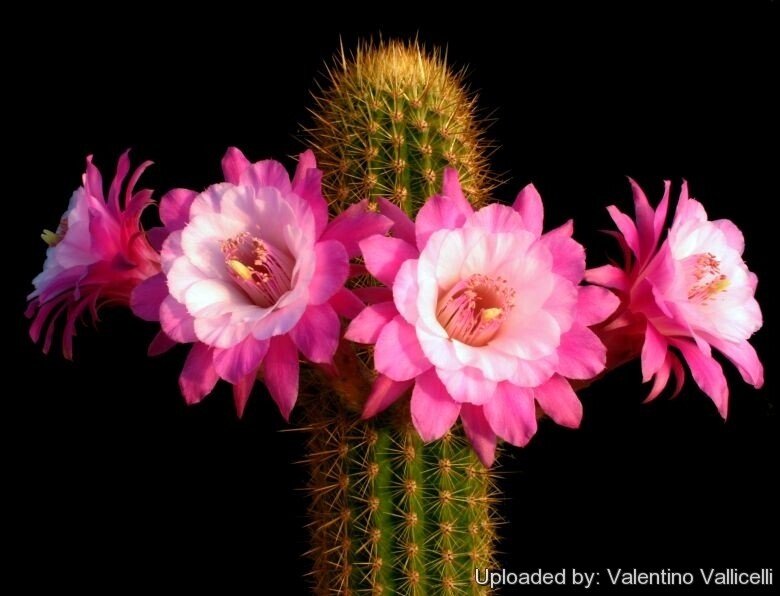
Akersia cv. Otto Schultz
Product Details
Pendulous Elegance: Akersia cv. Otto Schultz
A premier hanging cactus hybrid distinguished by its prolific, neon-magenta blooms and soft, golden-spined columns.
- Origin & History of Name: The genus Akersia was named in honor of John F. Akers, an American botanist who explored South American flora. The cultivar "Otto Schultz" commemorates the German cacti enthusiast and breeder of the same name. Linguistically, the genus name honors the individual, while the cultivar name serves as a historical marker for European hybridization efforts in the mid-20th century.
- Morphology: This plant features slender, cylindrical stems (epidermis) that transition from an upright to a decumbent (trailing) habit as they grow. The stems are densely covered in fine, bristly spines that emerge from closely set areoles, creating a golden-yellow sheen. It is prized for its zygomorphic flowers—blooms with a distinct bilateral symmetry—that emerge in a vibrant, saturated pinkish-red.
- Habitat & Origin: This is a nursery-produced cultivar, derived from the wild species Akersia roseiflora (now often classified under Cleistocactus or Borzicactus). While the parent species originates from the Andean regions of Peru, this specific cultivar was bred in cultivation for enhanced floral performance. Our specimens are propagated via cuttings to ensure genetic stability and environmental sustainability.
- Cultivation Profile:
- Substrate: Use a highly porous, mineral-based mix (60% pumice or grit, 40% organic matter) to prevent root rot.
- Light: Bright, indirect sunlight is essential. In the Indian subcontinent, provide 40-50% shade during peak summer afternoons to prevent epidermis scorching.
- Water/Dormancy: Water thoroughly when the substrate is completely dry. During the monsoon and winter months, reduce watering significantly to trigger a dry dormancy, which is vital for spring budding.
- Scientific/Historical Anecdote: The genus Akersia has sparked significant botanical debate; for decades, it was considered a "monotypic" genus (containing only one species). Modern DNA sequencing has since merged it into Borzicactus, but the name Akersia persists in horticultural circles to distinguish these unique, small-flowered pendant cacti from their larger relatives.
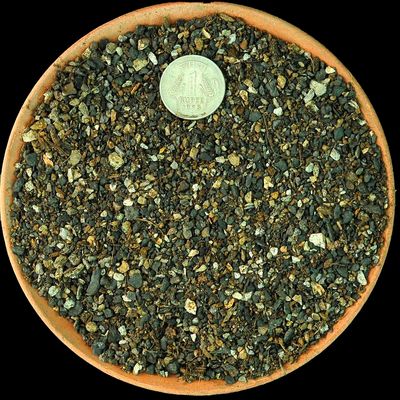
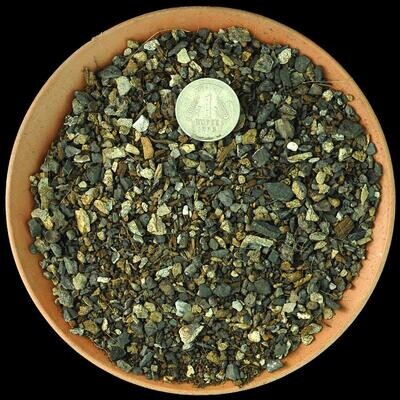
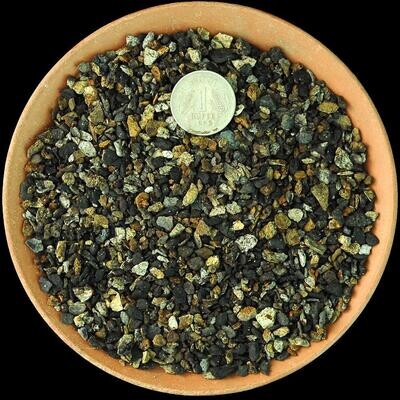
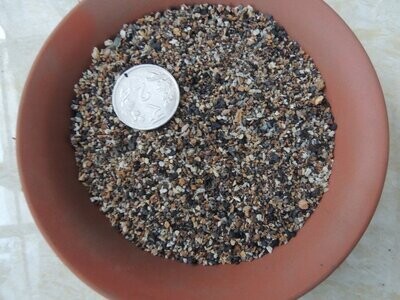
Cactus & Succulent Planting Mix COARSE (aka Cactus Soil Mix or Succulent Soil Mix)
Cactus & Succulent Planting Mix COARSE (aka Cactus Soil Mix or Succulent Soil Mix)
Washed, Free-Draining Mineral Mix for Cactus & Succulents
SKU MNS003
₹44.85
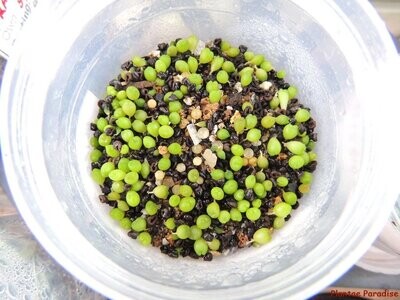
Cactus Seed Planting Mix
Cactus Seed Planting Mix
Sterile, Fine-Grain Media for Cactus & Succulent Seeds
SKU MNS005
₹74.85