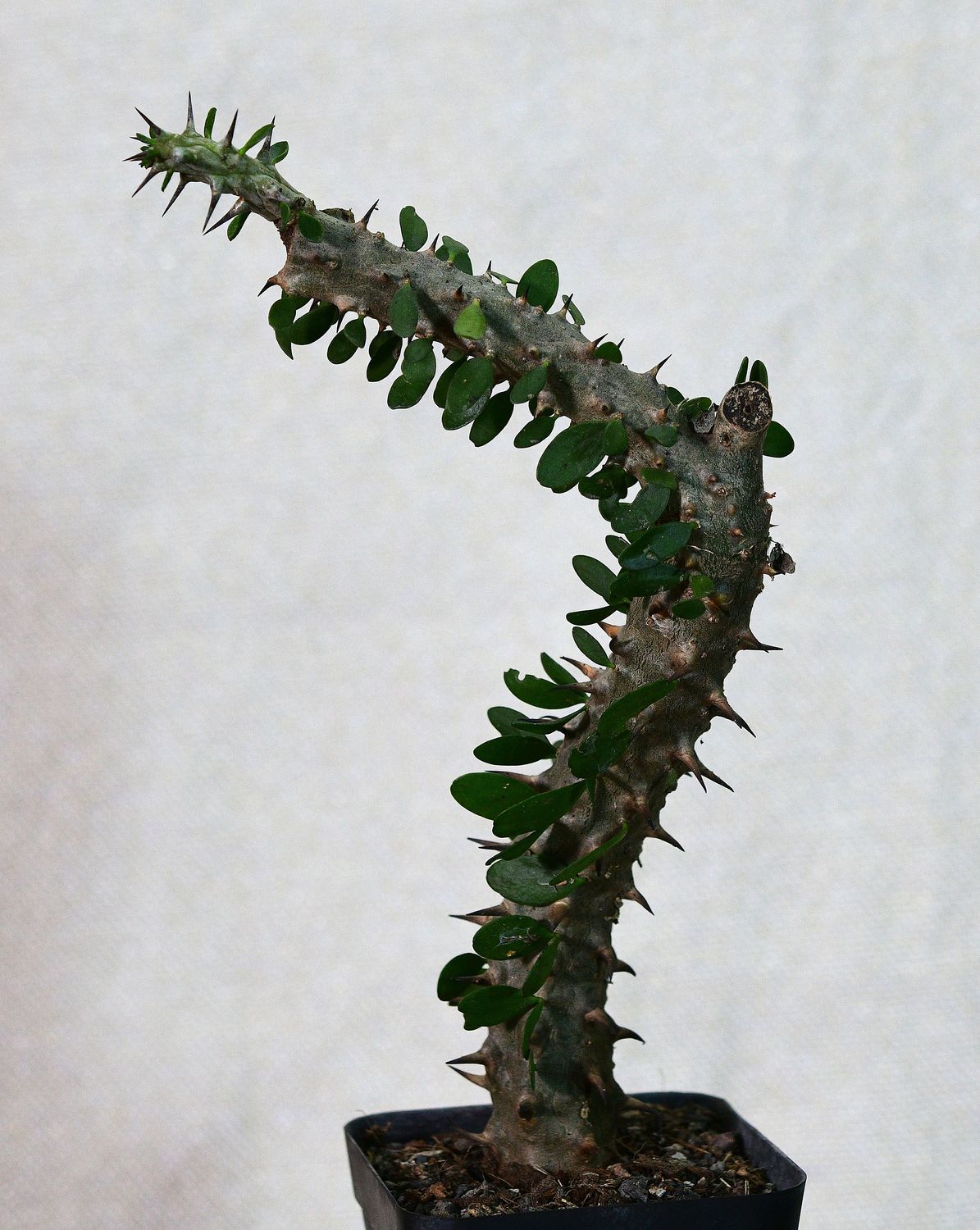
The Architectural Spire: Alluaudia procera A vertical masterpiece defined by its ascending geometric stems and silver-hued armature, offering a rare structural element for the discerning xeriscape collector.
1. Origin & History of Name The genus Alluaudia was established in 1903 by French botanist Emmanuel Drake del Castillo, named in honor of Charles A. Alluaud, a French entomologist who collected extensive specimens in Madagascar during the late 19th century. The specific epithet procera is derived from the Latin procerus, meaning "tall" or "slender," accurately referencing the plant’s habit of growing into a towering, column-like tree in its maturity.
2. Morphology This succulent shrub is characterized by rigid, upright stems covered in a thick, waxy epidermis that ranges from bone-white to grey-green. The stems are armored with conical, spirally arranged spines.
3. Habitat & Origin Alluaudia procera is a wild species endemic to the semi-arid "spiny forests" of southern and southwestern Madagascar.
4. Cultivation Profile
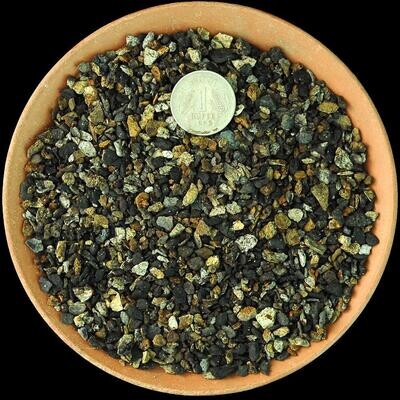
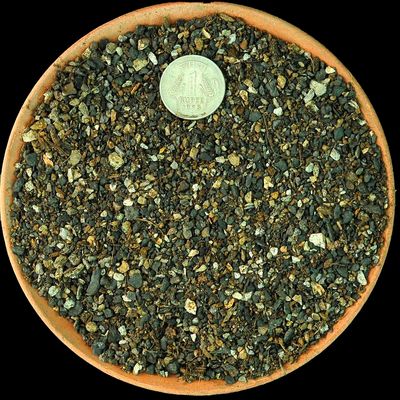
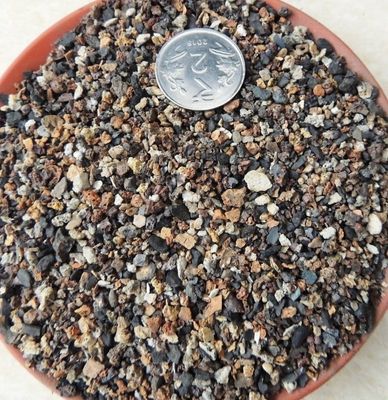
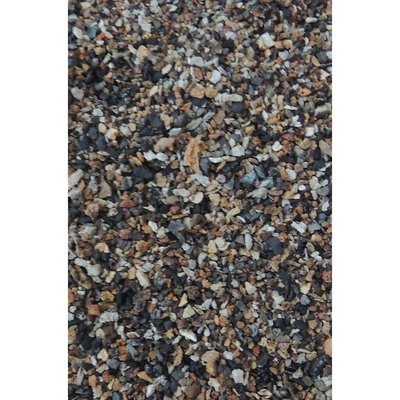
- Substrate: Requires a highly porous, mineral-dominant mix to prevent root rot. Use a blend of 70% inorganic material (pumice, perlite, or crushed brick) and 30% organic soil. In humid Indian climates, increase the grit content to ensure rapid drainage.
- Light: Thrives in intense, full-spectrum sunlight.
It is exceptionally heat-tolerant and ideal for Indian summers, capable of withstanding temperatures exceeding 40°C (104°F) without shading. - Water & Dormancy: Water thoroughly when the substrate is completely dry during the growing season (summer). Crucial for India: During the monsoon, this plant must be sheltered from continuous rain to prevent fungal infections. In winter, reduce watering significantly to induce a semi-dormancy period, simulating its native dry season.
5. Scientific Anecdote Alluaudia procera presents a classic case of convergent evolution.