1. Origin of Name
The hybrid Aloe descoingsii x Aloe variegata is a fascinating cross between two distinct Aloe species, each contributing unique traits to the hybrid. Aloe descoingsii, named in honor of French botanist François Descoings, is renowned for its small, delicate form. Aloe variegata, also known as the "Partridge Breast Aloe," gets its name from the distinctive white variegation patterns on its leaves that resemble partridge feathers. This combination brings together the compact, charming characteristics of Aloe descoingsii with the striking variegated patterns of Aloe variegata, creating a visually appealing plant that reflects both of its parents' notable features.
2. Origin of Plant
This hybrid is cultivated primarily by horticulturists interested in creating unique and ornamental aloe plants. Aloe descoingsii originates from Madagascar, while Aloe variegata is indigenous to southern Africa, particularly in arid regions of Namibia and South Africa. The hybrid was intentionally bred to capture the aesthetic qualities of both parent species, making it a popular choice for collectors and gardeners seeking distinctive succulents. The plant thrives in controlled environments that mimic the arid, rocky habitats of its parental origins.
3. Description
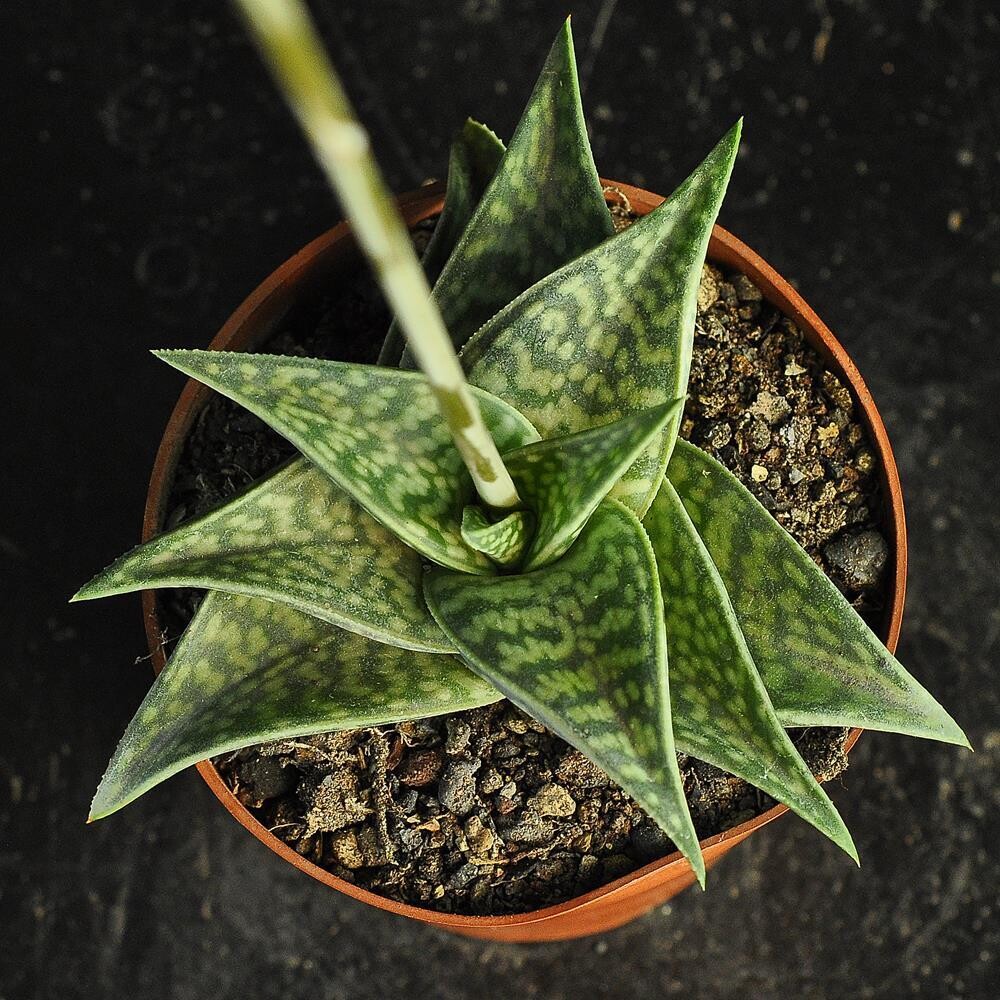
Aloe descoingsii x Aloe variegata is a small, compact succulent that typically forms rosettes of stunning, fleshy leaves. The leaves exhibit a captivating pattern due to the Aloe variegata influence, with prominent white blotches and stripes that create a banded appearance. The cross maintains the small, neat growth habit of Aloe descoingsii, usually reaching about 4-6 inches in diameter. During its blooming season, the hybrid produces tubular orange or pink flowers on slender stalks, adding splashes of color and enhancing its ornamental value. Its miniature size and beautiful leaf patterns make it an excellent choice for container gardening and decorative displays.
4. Conservation Status
As an artificial hybrid, Aloe descoingsii x Aloe variegata does not have a conservation status in the wild but plays a role in encouraging sustainable cultivation and enjoyment of aloe varieties without affecting natural populations. The individual species, particularly Aloe variegata, face pressures from habitat changes in their native regions, highlighting the importance of nursery propagation as a means to preserve and enjoy these beautiful plants.
5. Care
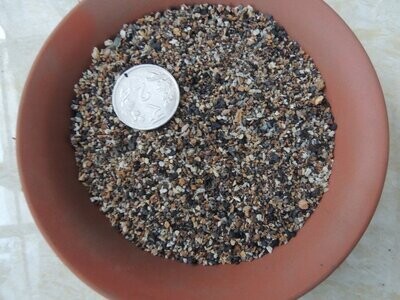
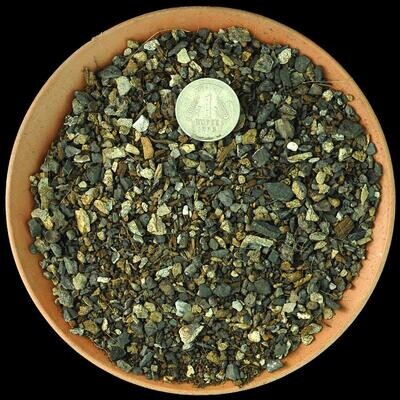
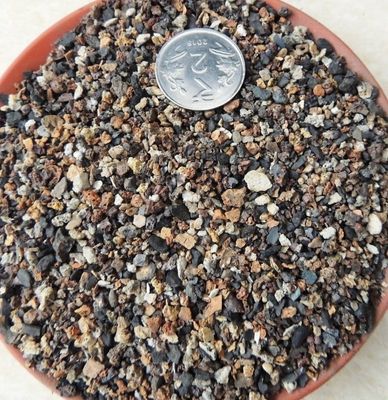
This hybrid thrives in bright, indirect sunlight, making it suitable for indoor cultivation near a bright window or outdoors in lightly shaded areas. Plant in a well-draining succulent mix to prevent root rot, ensuring the mix includes components like sand or perlite. Water only when the soil has completely dried out, reducing watering in winter months when the plant is dormant. Aloe descoingsii x Aloe variegata prefers warm temperatures between 65°F and 80°F (18°C - 27°C) and should be protected from frost. During the growing season, apply a diluted succulent fertilizer once a month to promote healthy growth and vibrant flowering.
Interesting Fact
This hybrid represents an exciting example of plant breeding, where the goal is to combine the best traits of both parent species to develop a new variety that captivates gardeners and collectors. Aloe descoingsii x Aloe variegata stands out not only for its enchanting patterns but also as a testament to the creativity and skill involved in modern horticulture.