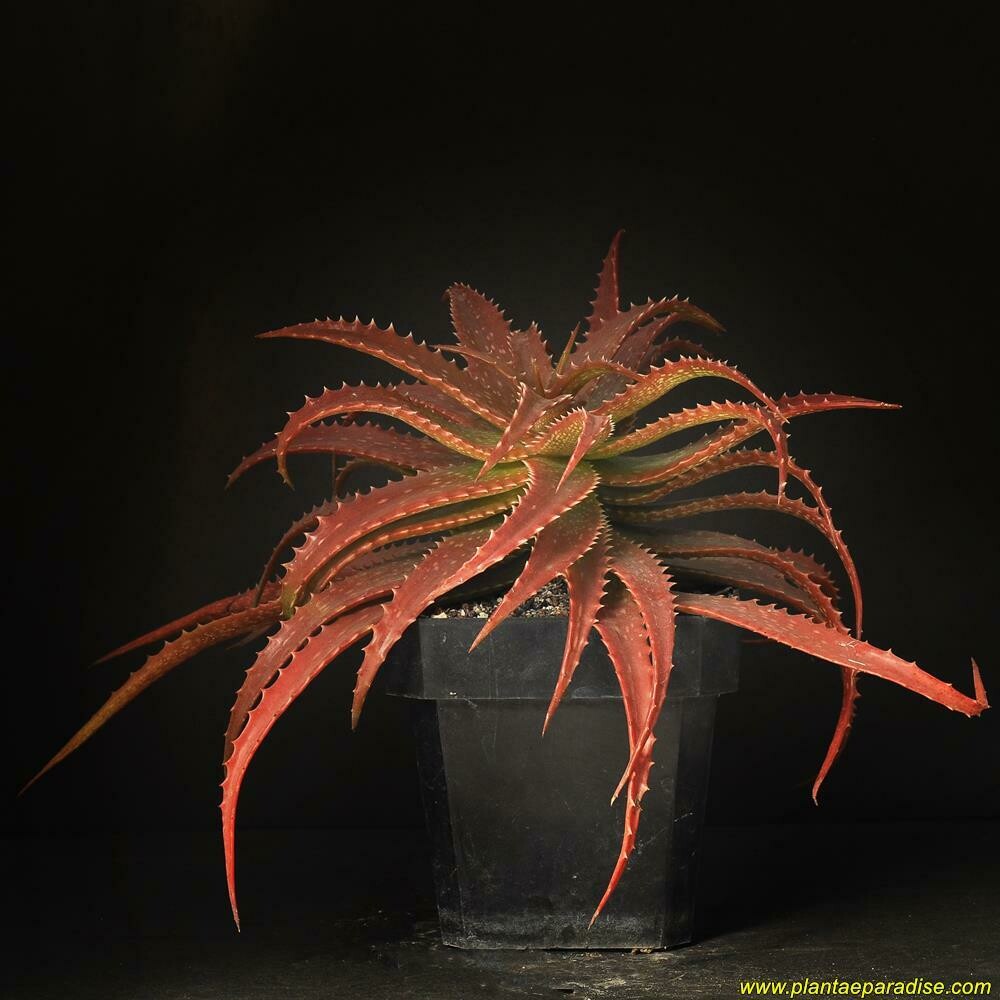
Colour change depends upon degree of cold , light and season. We cannot predict when but our plants do change colour when kept on drier side.
Aloe dorotheae, commonly known as Sunset Aloe, is a strikingly vibrant succulent that is prized for its colorful foliage and compact growth habit. This Aloe species is a must-have for enthusiasts of dramatic, low-maintenance plants.
Origin of Name
The genus "Aloe" is derived from the Arabic word "Alloeh" or the Hebrew word "Allal," both meaning "shining bitter substance," referring to the gel-filled leaves. The species name "dorotheae" honors Dorothea Hussey, a plant enthusiast and friend of the species' describer, who first noted the plant's distinct characteristics. The common name, Sunset Aloe, aptly describes the fiery red and orange hues of its leaves, reminiscent of a sunset.
Technical Description of Plant
Aloe dorotheae is characterized by its rosettes of fleshy, lance-shaped leaves that turn from green to brilliant red or orange when exposed to strong light. The leaves are adorned with white spots and have soft teeth along the edges. This species can reach up to 12 inches in height and width, forming clumps that enhance its visual impact in any setting. During winter, Aloe dorotheae produces tubular, bright yellow to orange flowers on tall spikes, attracting bees and hummingbirds.
Origin of Plant
Native to Tanzania, Aloe dorotheae thrives in rocky areas and dry riverbeds, where it is exposed to intense sunlight. Its vibrant leaf coloration is a natural adaptation to its habitat, offering protection from the sun's rays and reducing the risk of herbivory.
Conservation Status
Aloe dorotheae is not currently listed on the IUCN Red List of Threatened Species. However, like many Aloe species, it faces threats from habitat loss and illegal collection. Sustainable cultivation in gardens and collections is crucial for conserving this species and reducing pressure on wild populations.
Care Instructions
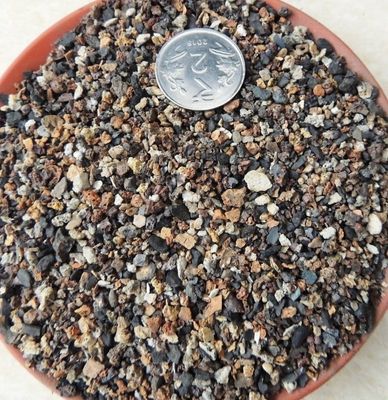
Aloe dorotheae prefers bright, indirect sunlight to full sun, which encourages the vibrant red and orange coloration of its leaves. It requires well-draining soil and should be watered only when the soil has completely dried out, typically every 2-3 weeks depending on the climate. Overwatering can lead to root rot, so it is essential to ensure proper drainage. During the winter, reduce watering frequency to prevent cold damage. Fertilize sparingly with a succulent fertilizer in the spring to support growth and flowering. Protect from frost, as Aloe dorotheae is not frost-tolerant.
Aloe dorotheae's striking coloration and easy care make it a stunning addition to any succulent collection, rock garden, or as a standalone container plant. Its ability to thrive with minimal water and care requirements makes it an ideal choice for gardeners seeking drought-tolerant landscaping options or for adding a splash of color to indoor spaces.