1. Origin of Name
The name Aloe haworthioides honors the renowned British botanist L.G. Haworth, who contributed extensively to the classification of succulents and cacti, with the suffix "oides" meaning "resembling" or "like" in Latin. The term "haworthioides" indicates its resemblance to plants in the genus Haworthia, known for their small, textured, and rosette-forming leaves. The name reflects its distinctive appearance, which combines aloes' succulent features with a unique, textured surface reminiscent of Haworthia species. Discovered in South Africa, this species was officially described in the early 20th century and has since gained notoriety for its exotic look and rarity.
2. Origin of Plant
Aloe haworthioides is native to the rocky, arid regions of South Africa, particularly in the southern Cape and near Natal. It thrives in well-drained, gravelly soils found on steep slopes and rocky outcrops, where it receives abundant sunlight. First documented in botanical collections during expeditions in the early 1900s, this species has become prized among succulent enthusiasts worldwide for its unusual appearance and ornamental value. Its adaptation to harsh, dry conditions makes it a resilient addition to desert and rock garden collections.
3. Description
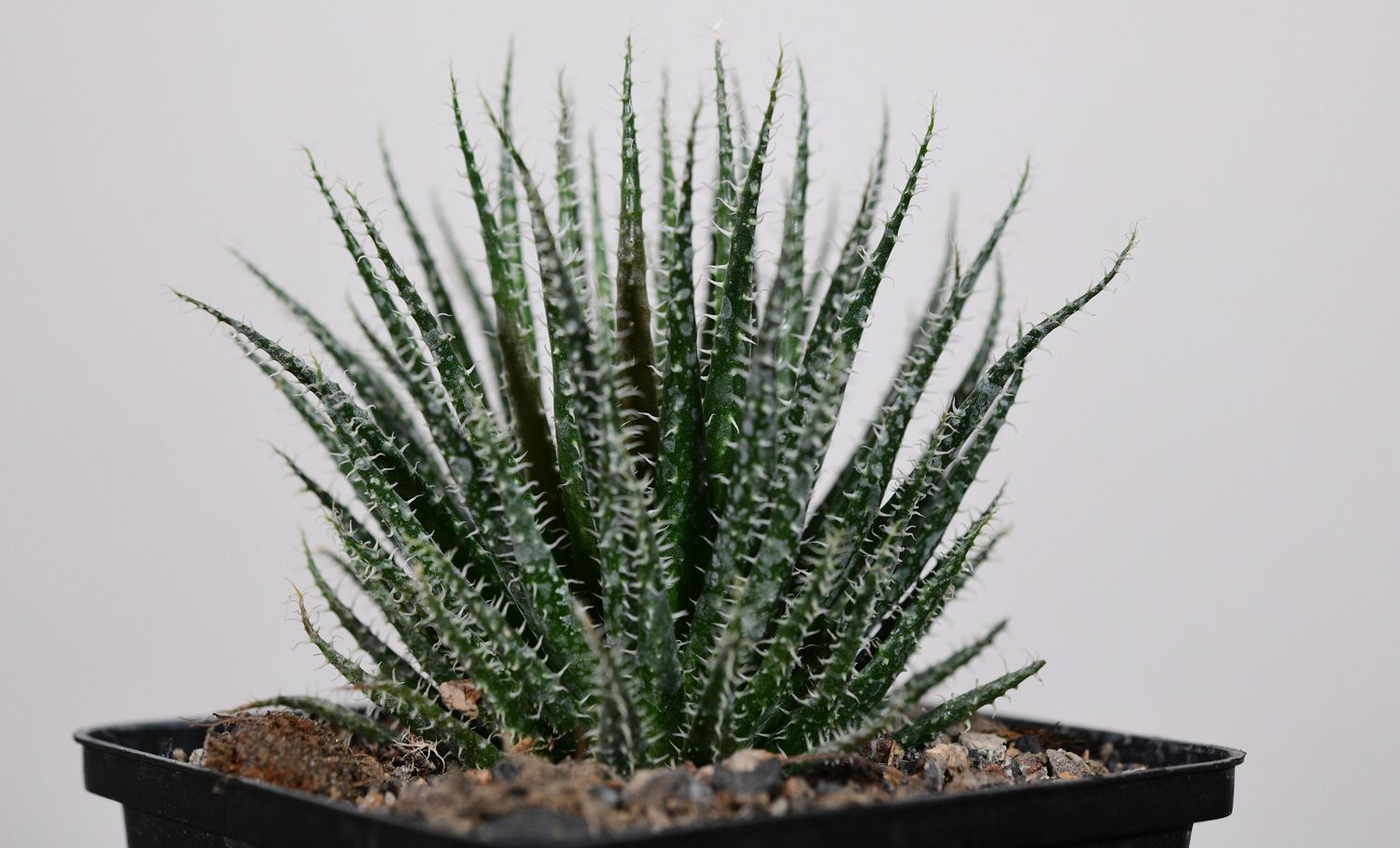
Aloe haworthioides is a small, stemless or very short-stemmed succulent that forms tight rosettes of thick, fleshy leaves. The leaves are notably textured, covered with tiny white tubercles and marginal spines that give it a "Haworthia-like" appearance, but with the thick, hardy characteristics of aloe. The coloration ranges from bright green to bluish-green, often with a slight reddish tinge at the tips or edges when exposed to full sun. In late winter to spring, it produces striking orange flowers on tall, slender stalks, attracting pollinators and adding to its ornamental charm. Its unusual textured surface and compact size make it a standout focal point in any succulent collection.
4. Conservation Status
Due to its limited natural range and habitat disturbance, Aloe haworthioides is considered vulnerable in the wild. Overharvesting and habitat loss threaten some populations, emphasizing the importance of responsible cultivation. Fortunately, propagation through nursery-grown plants is common and helps to support conservation efforts by reducing wild collection.
5. Care
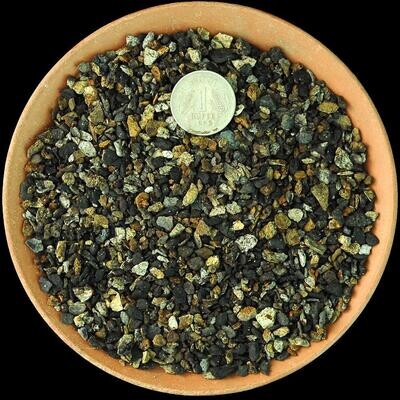
Aloe haworthioides thrives in a bright, sunny location with at least 4-6 hours of direct sunlight daily. Use a fast-draining cactus or succulent soil, ideally comprising sand, gravel, and organic matter, to prevent waterlogging. Water sparingly, allowing the soil to dry completely between watering, with a reduced schedule during winter dormancy. It prefers warm temperatures between 60°F and 85°F (15°C - 29°C) and is sensitive to frost — it should be protected from cold weather or grown indoors in cooler climates. Fertilize lightly once a month during its active growing period with a diluted cactus or succulent fertilizer. It is suitable for pot culture, rock gardens, or xeriscaping.
Interesting Fact
Despite its aloe classification, Aloe haworthioides’ unique textured foliage closely resembles Haworthia, earning it the nickname “Miniature Aloe with Haworthia Texture.” Its striking appearance, combined with its resilience, makes it an intriguing addition to any succulent collection and a conversation starter among plant enthusiasts.