1. Origin of Name
The name Aloe juvena derives from Latin roots, with "Aloe" being the well-known genus name used for this succulent, believed to originate from the Arabic word "alloeh" meaning “bitter, shiny substance,” referencing the plant’s mucilaginous sap. The species name "juvena" is Latin for "youthful" or "young," highlighting its compact, fresh appearance and vigorous growth habit. The name Aloe juvena reflects its status as a youthful, resilient Aloe variety that’s prized for its ornamental and medicinal qualities. Its classification and naming have evolved over centuries, with various botanists recognizing its unique traits and gentle, vibrant appeal.
2. Origin of Plant
Aloe juvena is indigenous to the dry, rocky regions of South Africa, particularly in the Cape Provinces. It thrives in arid climates with well-drained, sandy soils, often growing in clusters on rocky slopes or rugged terrains. The plant was first documented during early botanical explorations in South Africa in the 18th and 19th centuries, as European botanists began cataloging the diverse succulent flora of the continent. Known for its hardy nature and attractive appearance, Aloe juvena has become a popular cultivar both in its native habitat and globally in succulent collections.
3. Description
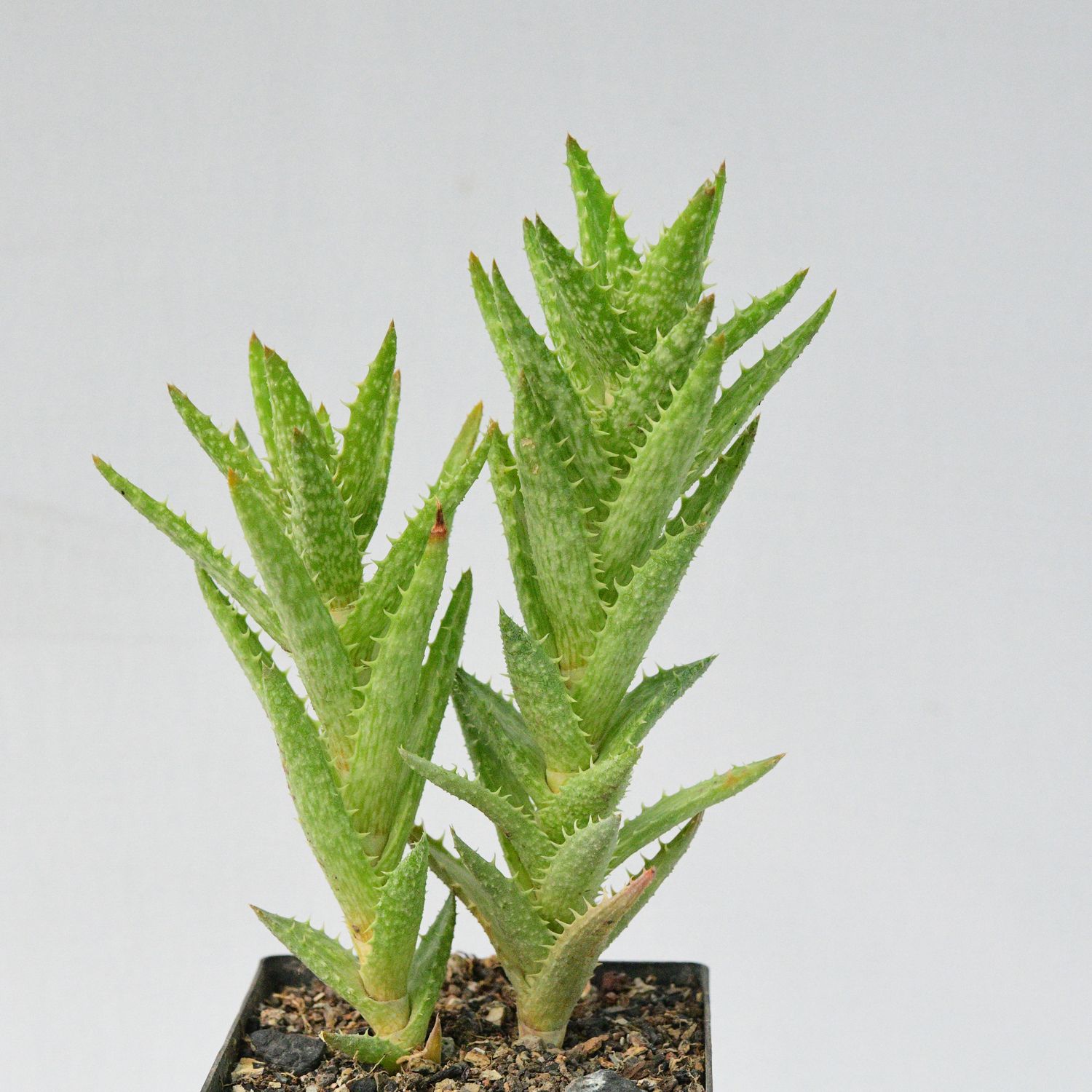
Aloe juvena is a compact, rosette-forming succulent that typically reaches 4-6 inches in height and spread. Its thick, fleshy leaves are a vibrant green, often tinged with reddish hues along the margins or tips when exposed to sunlight. The leaves grow upright and form a symmetrical rosette, with a smooth surface and slightly serrated edges. During late winter to early spring, it produces striking, tubular orange or red flowers on tall, slender flower stalks, attracting hummingbirds and pollinators. Its neat, symmetrical appearance and eye-catching flowers make it an ideal decorative and ornamental plant.
4. Conservation Status
Aloe juvena is currently not listed as endangered; however, like many succulents, it faces threats from habitat destruction, illegal collection, and climate change. Responsible cultivation and propagation at nurseries help preserve wild populations and support conservation efforts. It is widely cultivated and available, which reduces pressure on wild specimens.
5. Care
This robust succulent prefers full sun to partial shade. Plant in well-draining soil, such as sandy or cactus mix, to prevent root rot. Water sparingly—allow the soil to dry out completely between watering—and reduce watering greatly during the winter dormancy period. Aloe juvena thrives in warm temperatures between 60°F and 85°F (15°C - 29°C) and is not frost tolerant; it should be protected from freezing temperatures. Fertilize lightly during active growth with a diluted cactus or succulent fertilizer once a month. It’s an easy-care plant suitable for containers and rock gardens, making it perfect for beginners and experienced gardeners alike.
Interesting Fact
Aloe juvena’s roots and leaves have been traditionally used by local communities for their medicinal properties, such as healing cuts and skin irritations. Its vibrant flowers not only beautify gardens but also attract pollinators, making it a lively addition to any succulent or xeriscape collection.