Aloe Mitriformis Variegata - A Striking Statement Plant for Your Collection
Introducing Aloe Mitriformis Variegata, an exquisite succulent that combines stunning aesthetics with ease of care. This captivating variety of aloe showcases unique patterns and variegation, making it a perfect fit for both seasoned plant enthusiasts and beginners looking to enhance their indoor gardens.
1. Origin of Name
The name "Aloe Mitriformis" originates from the Latin word “aloe,” derived from the Ancient Greek “ἀλόη” (aloē), which refers to a type of resinous plant known for its healing properties. The specific epithet "mitriformis" comes from the Latin term "mitra," meaning "cap" or "miter," reflecting the plant's cap-like leaf shape. Historical botanists such as Carl Linnaeus laid the groundwork for the classification of aloe species, with many exploring the rich flora of Africa.
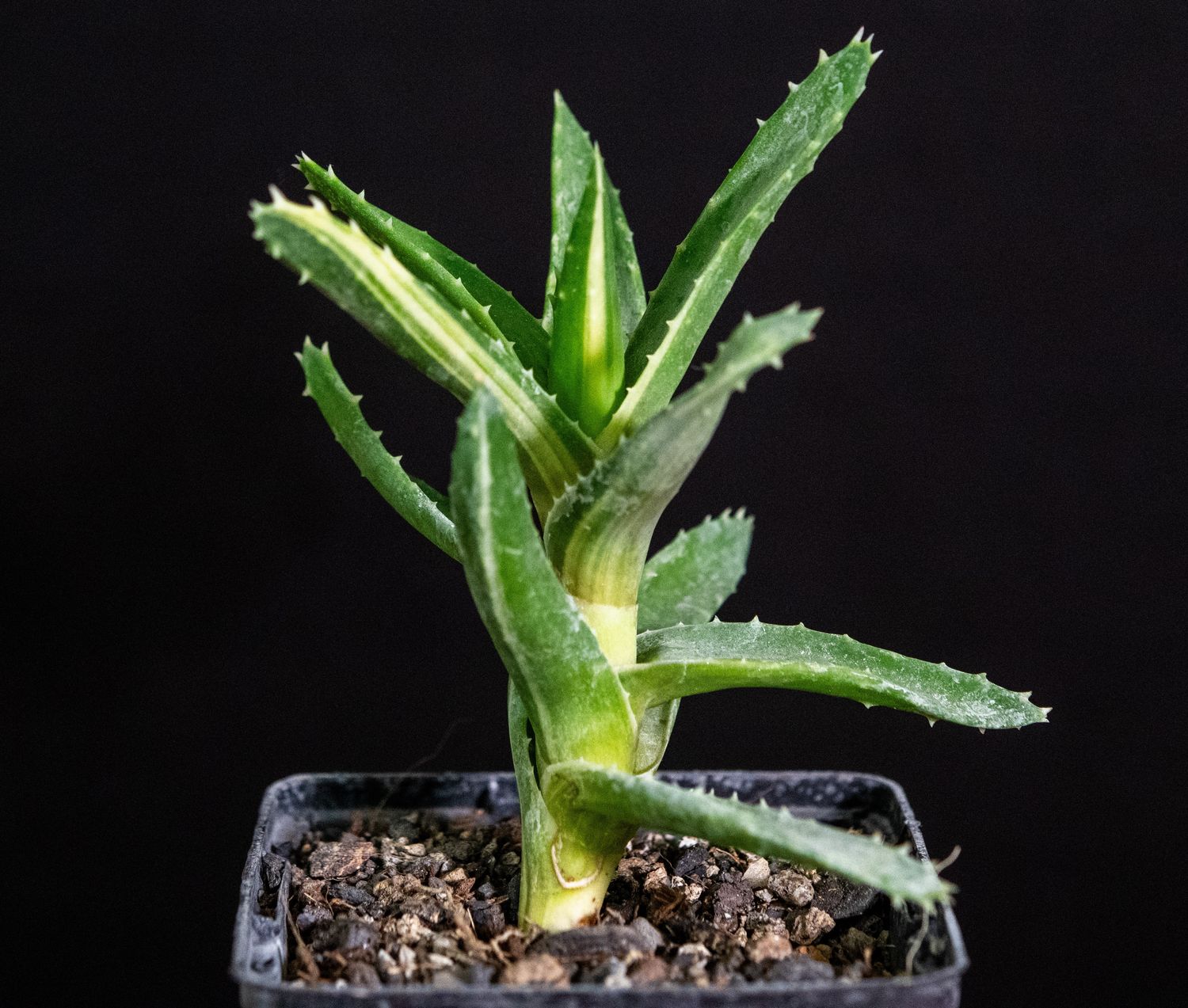
The "Variegata" designation denotes the plant's stunning variegated leaves, which feature creamy white and green stripes. This name choice highlights the aesthetic appeal and ornamental nature of this particular variety, celebrating its unique coloration that distinguishes it from other aloes.
2. Origin of Plant
Aloe Mitriformis Variegata hails from the arid regions of South Africa, particularly in areas where it thrives amidst rocky outcrops and well-drained soils. This hardy succulent is native to the Eastern Cape province, where it has adapted to withstand long periods of drought. Its discovery dates back to the exploration of Southern Africa in the 18th century, when botanists began documenting the area’s diverse flora.
Due to its striking appearance and ease of cultivation, Aloe Mitriformis Variegata has gained popularity in cultivation worldwide and can be found in various collections, both indoors and in gardens.
3. Description
The Aloe Mitriformis Variegata is truly a sight to behold, with thick, fleshy leaves that can grow up to 12 inches long. Each leaf boasts a distinctive variegated pattern with rich green and creamy white stripes, creating an eye-catching display. The rosette formation of leaves resembles a tightly closed fan, adding to its charm.
While this variety is primarily grown for its ornamental foliage, it may occasionally produce tall floral spikes adorned with tubular, orange-red flowers that bloom in the summer, attracting pollinators like bees and hummingbirds. Its compact size and low maintenance requirements make it an excellent choice for indoor arrangements and container gardens.
4. Conservation Status
Aloe Mitriformis Variegata is considered common in cultivation, though its wild populations face various environmental pressures. Overharvesting and habitat destruction threaten some native populations, yet the plant is actively cultivated in nurseries. Conservation efforts emphasize sustainable practices and habitat protection to ensure that this beautiful species continues to thrive in its natural environment.
5. Care
To keep your Aloe Mitriformis Variegata thriving, follow these care guidelines:
- Watering: Allow the top inch of soil to dry out between waterings. Water thoroughly but infrequently, typically every 2-3 weeks during the growing season (spring and summer) and reduce frequency in the dormant period (fall and winter).
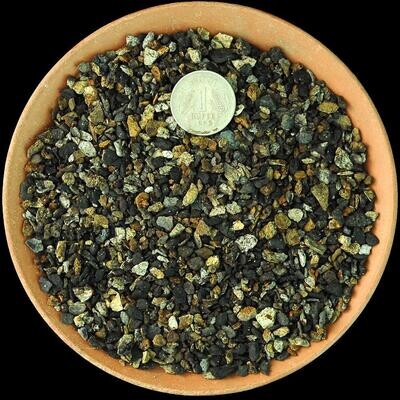
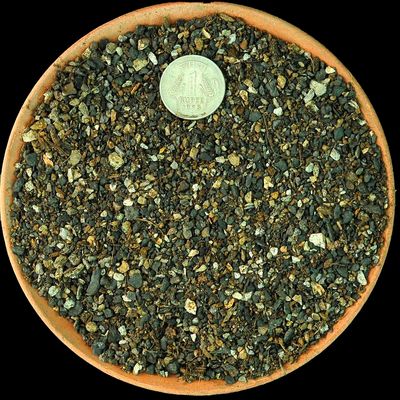
- Soil: Use a well-draining cactus or succulent mix. A blend of potting soil with perlite or sand will help prevent water retention and rot.
- Light: This succulent enjoys bright, indirect sunlight. A south or east-facing window is ideal, but avoid direct noon sunlight, which may scorch the leaves.
- Temperature: Aloe Mitriformis Variegata prefers warmer temperatures ranging from 65°F to 80°F. It can tolerate occasional lower temperatures but should be protected from frost.
- Tips for Healthy Growth: Fertilize sparingly with a diluted succulent fertilizer during the growing season. Ensure good air circulation around the plant and keep an eye out for pests like mealybugs and aphids.
6. Interesting Anecdote
Historically, aloes have held great significance in various cultures due to their medicinal properties. Aloe Mitriformis Variegata is no exception, as its leaves contain gel-like substances known for their soothing and healing characteristics. Indigenous cultures utilized aloe for wound care, burns, and skin irritations long before modern medicine recognized its benefits. Today, Aloe Mitriformis Variegata serves as both a decorative and functional plant, bridging traditional wisdom with modern gardening practices.