Aloe striata
Product Details
Coral Elegance: Aloe Striata
A thornless masterpiece for collectors seeking the rare, porcelain-smooth aesthetic of the "Coral Aloe."
- Origin & History of Name: The name is derived from the Latin striatus, meaning "furrowed" or "striped," referencing the faint longitudinal lines on its leaves.
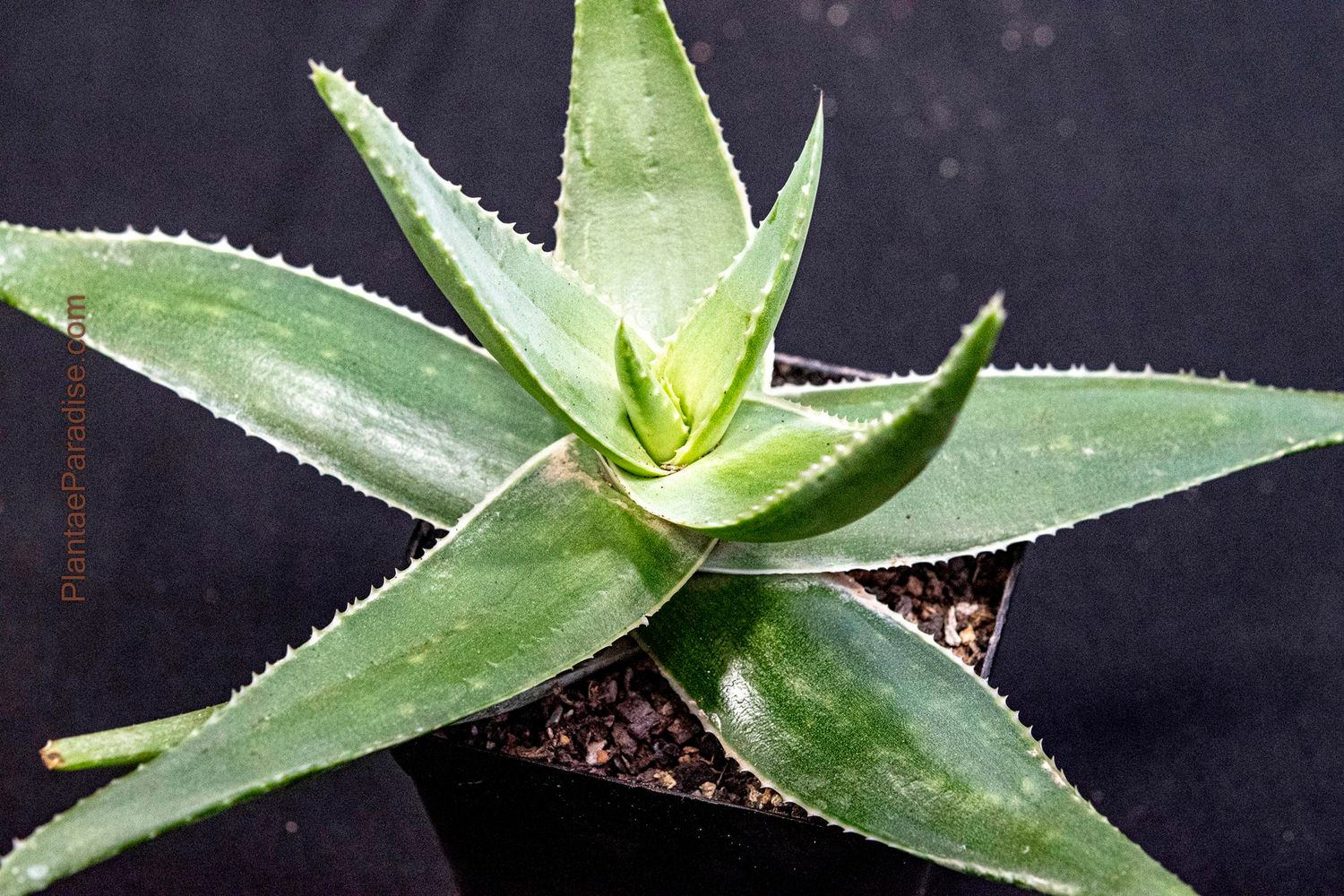
It was formally described by British botanist Adrian Hardy Haworth in 1804. Unlike most of its kin, it lacks the typical "teeth" or spines on its margins, leading to its common name, Coral Aloe, due to the vibrant pinkish-red hue of its leaf edges. - Morphology: This succulent is distinctive for its smooth epidermis and lack of marginal teeth.
It grows in a rosette of broad, fleshy, glaucous-blue leaves. The leaf margins are cartilaginous (hard and translucent) and often turn a vivid coral color when stressed by sun or cold. In winter, it produces flat-topped inflorescences with clusters of tubular orange-to-red flowers. - Habitat & Origin: Aloe striata is a wild species native to the arid Eastern Cape and Western Cape provinces of South Africa.
It is not a cultivar. These plants are sustainably sourced through nursery propagation to prevent the poaching of wild populations in their native Karoo habitat. - Cultivation Profile:
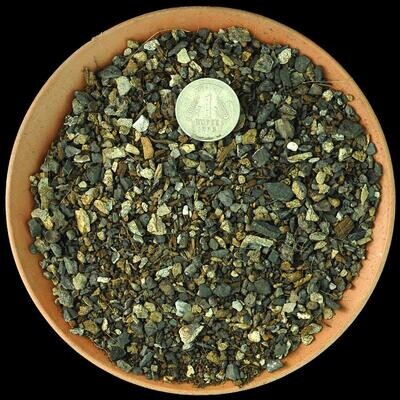
- Substrate: Use a strictly mineral-based mix (porous lava rock, perlite, and coarse sand) with minimal organic matter to prevent root rot in humid Indian climates.
- Light: Requires bright, indirect sunlight.
In India, protect from the harsh afternoon "Loo" winds and direct peak summer sun, which can scorch the smooth epidermis. - Water/Dormancy: Water deeply only when the substrate is completely bone-dry.
During the monsoon, keep the plant under a rain shelter. It undergoes a semi-dormancy in the peak of summer heat; reduce watering significantly during this period.
- Scientific/Historical Anecdote: While most Aloes were historically valued for the medicinal "bitter aloes" found in their sap, Aloe striata was one of the first species categorized by early European botanists as purely "ornamental." Its lack of defensive spines made it a botanical curiosity in 19th-century English glasshouses, as it challenged the prevailing definition of what an Aloe "should" look like.


Cactus Seed Planting Mix
Cactus Seed Planting Mix
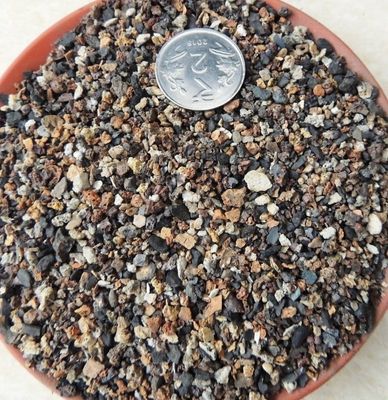
Sterile, Fine-Grain Media for Cactus & Succulent Seeds
SKU MNS005
₹74.85
Cactus & Succulent Planting Mix FINE (aka Cactus Soil Mix or Succulent Soil Mix)
Cactus & Succulent Planting Mix FINE (aka Cactus Soil Mix or Succulent Soil Mix)
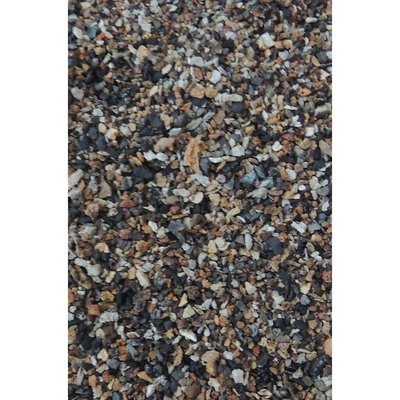
Fine-Grain Potting Mix for Cactus & Succulent Roots
SKU MNS001
₹39.85