Aloinopsis malherbei
Product Details
Stone-Textured Wonder: Aloinopsis malherbei
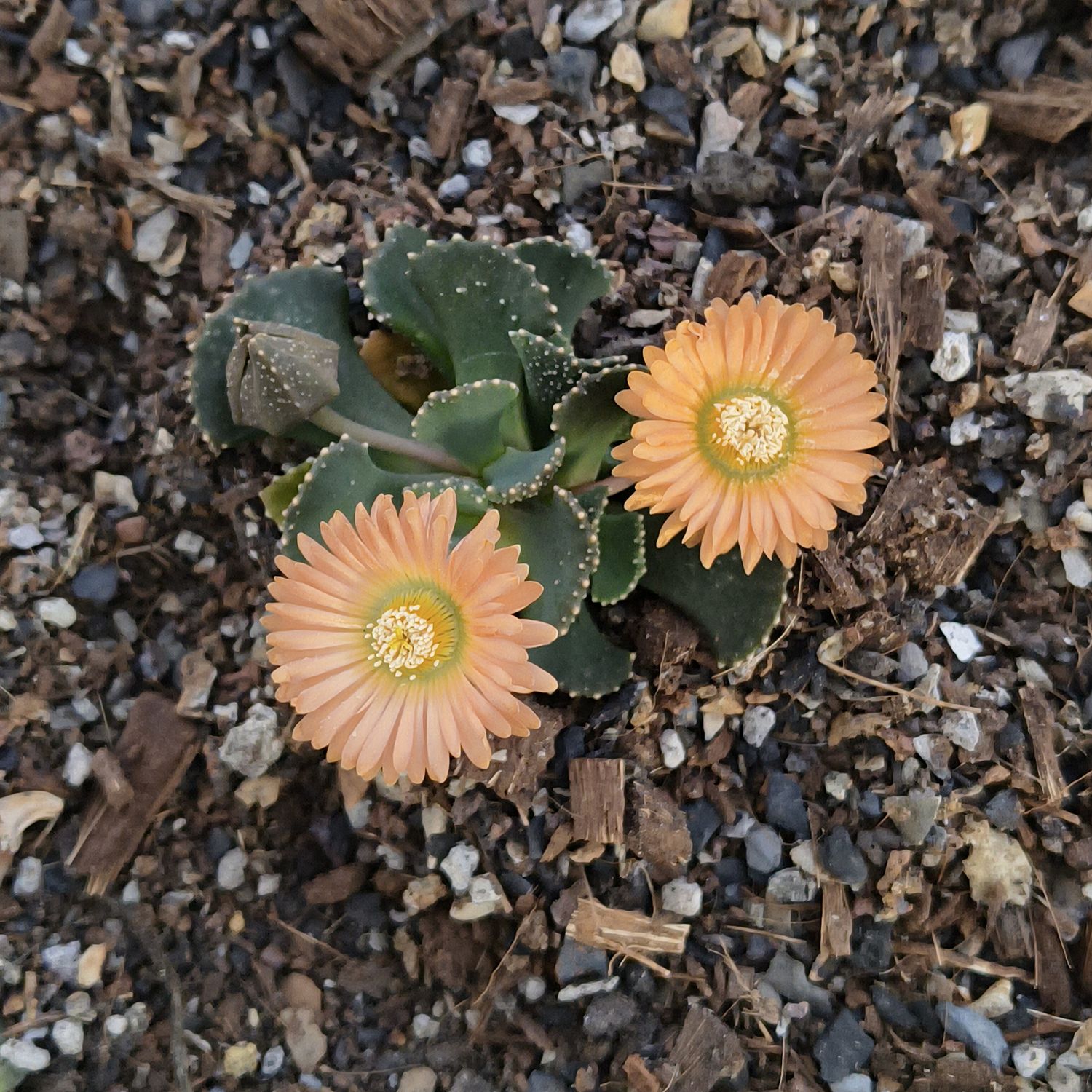
Commonly known as the Giant Jewel Plant, this rare South African succulent mimics the appearance of weathered limestone to perfection.
- Origin & History of Name: The genus name Aloinopsis translates to "resembling an Aloe," while the specific epithet malherbei honors the South African Malherbe family, who were notable plant collectors and assisted botanists in documenting the flora of the Cape Province during the early 20th century.
- Morphology: This species is characterized by its spatulate (spoon-shaped) leaves that grow in a compact rosette.
- Habitat & Origin: It is a wild species native to the arid Northern Cape and Western Cape regions of South Africa.
- Cultivation Profile:
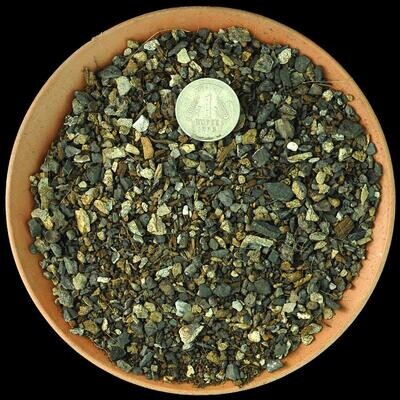
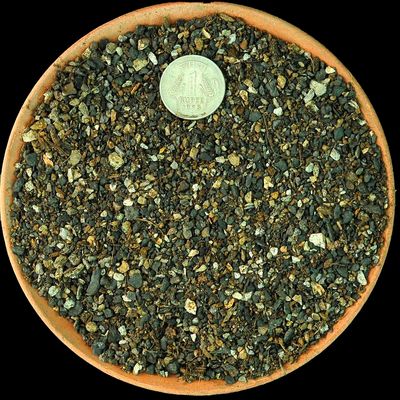
- Substrate: Use a strictly mineral-based mix (70% pumice or grit, 30% organic matter) to ensure rapid drainage.
- Light: Requires bright, indirect sunlight; in the Indian context, provide afternoon shade during peak summer to prevent leaf scorching, but ensure maximum light during winter.
- Water/Dormancy: This is a winter-grower.
- Scientific/Historical Anecdote: Aloinopsis malherbei is a master of "crypsis" or protective mimicry. In its natural habitat, the plant pulls itself almost entirely underground during droughts, leaving only the textured tips of its leaves visible, making it nearly impossible to distinguish from the surrounding gravel.
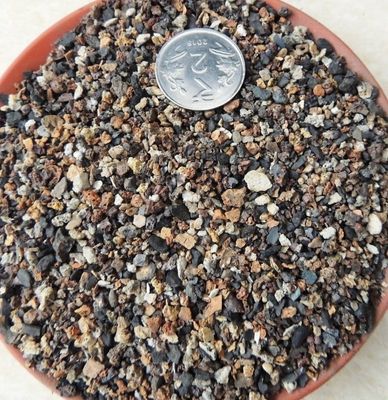
Cactus & Succulent Planting Mix FINE (aka Cactus Soil Mix or Succulent Soil Mix)
Cactus & Succulent Planting Mix FINE (aka Cactus Soil Mix or Succulent Soil Mix)
Fine-Grain Potting Mix for Cactus & Succulent Roots
SKU MNS001
₹35.51
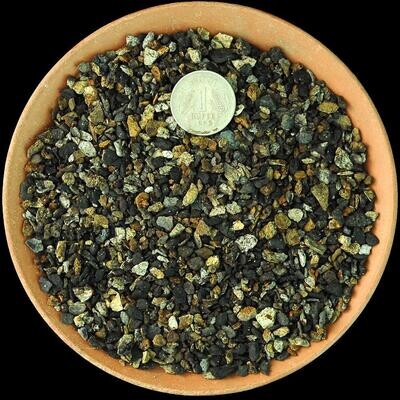
Cactus & Succulent Planting Mix COARSE (aka Cactus Soil Mix or Succulent Soil Mix)
Cactus & Succulent Planting Mix COARSE (aka Cactus Soil Mix or Succulent Soil Mix)
Washed, Free-Draining Mineral Mix for Cactus & Succulents
SKU MNS003
₹40.51