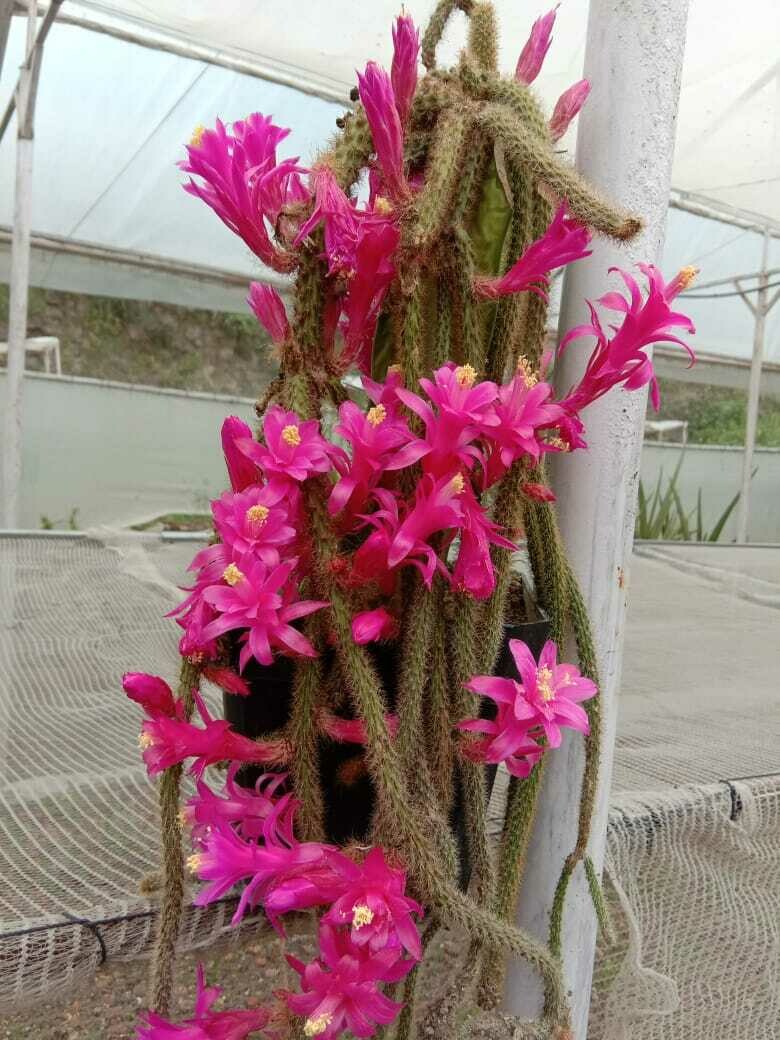
Aporocactus flagelliformis, commonly known as the rat tail cactus, is a charming and uniquely trailing succulent admired for its long, slender, and flexible stems covered in vibrant, tubular pink flowers. Its distinctive shape and vibrant blooms make it a popular choice for hanging baskets and decorative displays.
1. Origin of Name:
The genus "Aporocactus" derives from Greek, where "a" means "without" and "poros" means "pore," referring to the cactus's smooth, poreless surface. The species name "flagelliformis" comes from Latin, meaning "whip-shaped," describing the plant's long, flexible, and whip-like stems. Commonly called the "Rat Tail Cactus," its name reflects the plant’s trailing, tail-like appearance and its lively, flowing stems that resemble a rat’s tail or a whip, emphasizing its graceful, flexible growth habit.
2. Origin of Plant:
Aporocactus flagelliformis is native to Mexico, particularly in arid regions where it grows as a trailing or climbing cactus along rocky slopes and desert terrains. Discovered during botanical explorations of the New World, it has adapted to withstand heat, drought, and intense sunlight. Its trailing and sprawling growth form is an adaptation to maximize sunlight absorption and disperse in rocky environments.
3. Description:
This cactus features thin, flexible, vine-like stems that can extend several feet in length, creating a dense, trailing cascade or sprawling ground cover. The stems are often a soft green or bluish-green, smooth but covered in tiny, hair-like spines. During its flowering period, it produces stunning, trumpet-shaped pink flowers that bloom in dense clusters, often covering the trailing stems in a vibrant splash of color. The delicate, tubular blossoms are highly fragrant and attract pollinators, adding both visual beauty and a lovely scent.
4. Conservation Status:
Aporocactus flagelliformis is widely cultivated and popular in home gardens and hanging baskets, ensuring its availability and cultivated specimens worldwide. It is not currently threatened in its natural habitat, thanks to responsible propagation and cultivation practices. Its popularity in horticulture supports conservation efforts and helps protect wild populations from overharvesting.
5. Care:
- Lighting: Prefers bright, direct sunlight; thrives in full sun but tolerate some light shade.
- Watering: Water moderately during the growing season, allowing the soil to dry out between waterings. Reduce watering in winter.
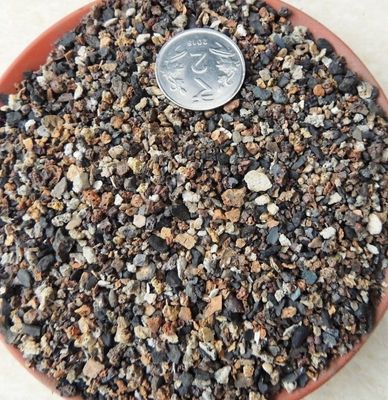
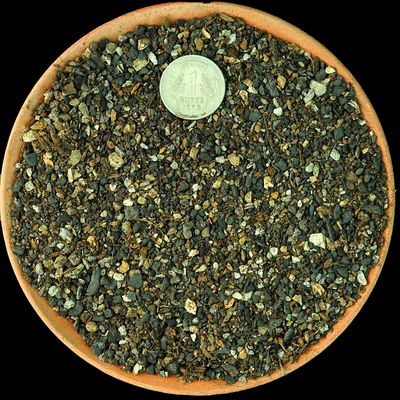
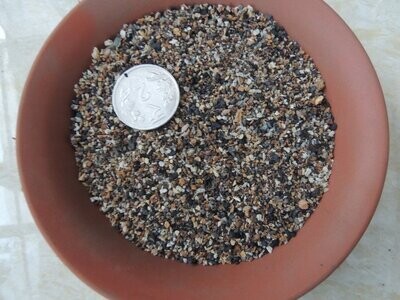
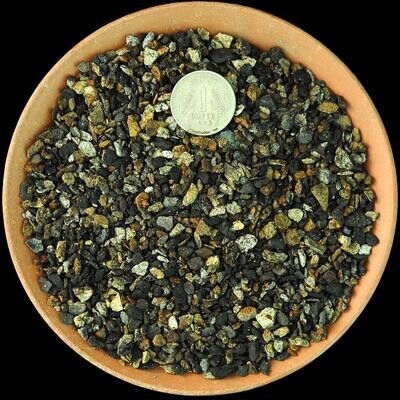
- Soil: Use a fast-draining cactus or succulent mix, supplemented with coarse sand or pumice.
- Temperature: Prefers warm temperatures between 65°F and 80°F (18°C to 27°C); protect from frost—bring indoors or provide frost protection in colder climates.
- Additional Tips: Ensure excellent drainage to prevent root rot. Fertilize monthly during active growth with a cactus or succulent fertilizer.
6. Interesting Anecdote:
Native to Mexico, the rat tail cactus has long been cherished for its flowing, tail-like stems and striking, fragrant flowers. Its trailing habit has inspired traditional Mexican crafts and garden designs, symbolizing flexibility and resilience. Indigenous cultures once believed that the plant’s long, flowing stems represented the “threads of life,” linking the earth and sky, and its bright blooms were seen as symbols of vitality and beauty that flourish even in harsh desert landscapes.
Add the elegant, trailing charm of Aporocactus flagelliformis to your collection and enjoy a plant that combines graceful movement, radiant blossoms, and resilience—a true living cascade of natural beauty!