1. Origin of Name:
The genus "Zygocactus" is derived from Greek roots: "zygon", meaning yoke or paired, and "kaktos", meaning cactus. This name reflects the plant’s characteristic paired or jointed segments, resembling yoke-like shapes common in its early classification. Historically, Zygocactus was a genus name used for what is now classified under Schlumbergera, but it remains popular in horticulture.
The species "truncata" comes from Latin, meaning "truncated" or "cut off," describing the shape of the segment tips or seed capsules, which often appear flattened or blunt at the edges.
"Variegated" describes the plant’s distinctive foliage that features a beautiful mix of green and creamy-white or yellowish margins. The variegation pattern adds a stunning visual contrast, making this a highly sought-after ornamental plant during the holiday season and beyond.
2. Origin of Plant:
Zygocactus truncata variegated originates from the humid, rocky rainforests of southeastern Brazil, particularly in regions like São Paulo and Rio de Janeiro. It naturally grows as an epiphyte on trees and rocks in the lush, tropical forests, thriving in shaded, moist environments.
The plant was first introduced to Western horticulture during the 19th century, after explorers and botanists cataloged Brazil’s rich flora. The variegated form is a cultivated variety developed later through selective breeding, prized for its ornamental appeal and striking foliage colors. Its natural habitat in the Brazilian rainforest makes it a symbol of tropical resilience and adaptation.
3. Description:
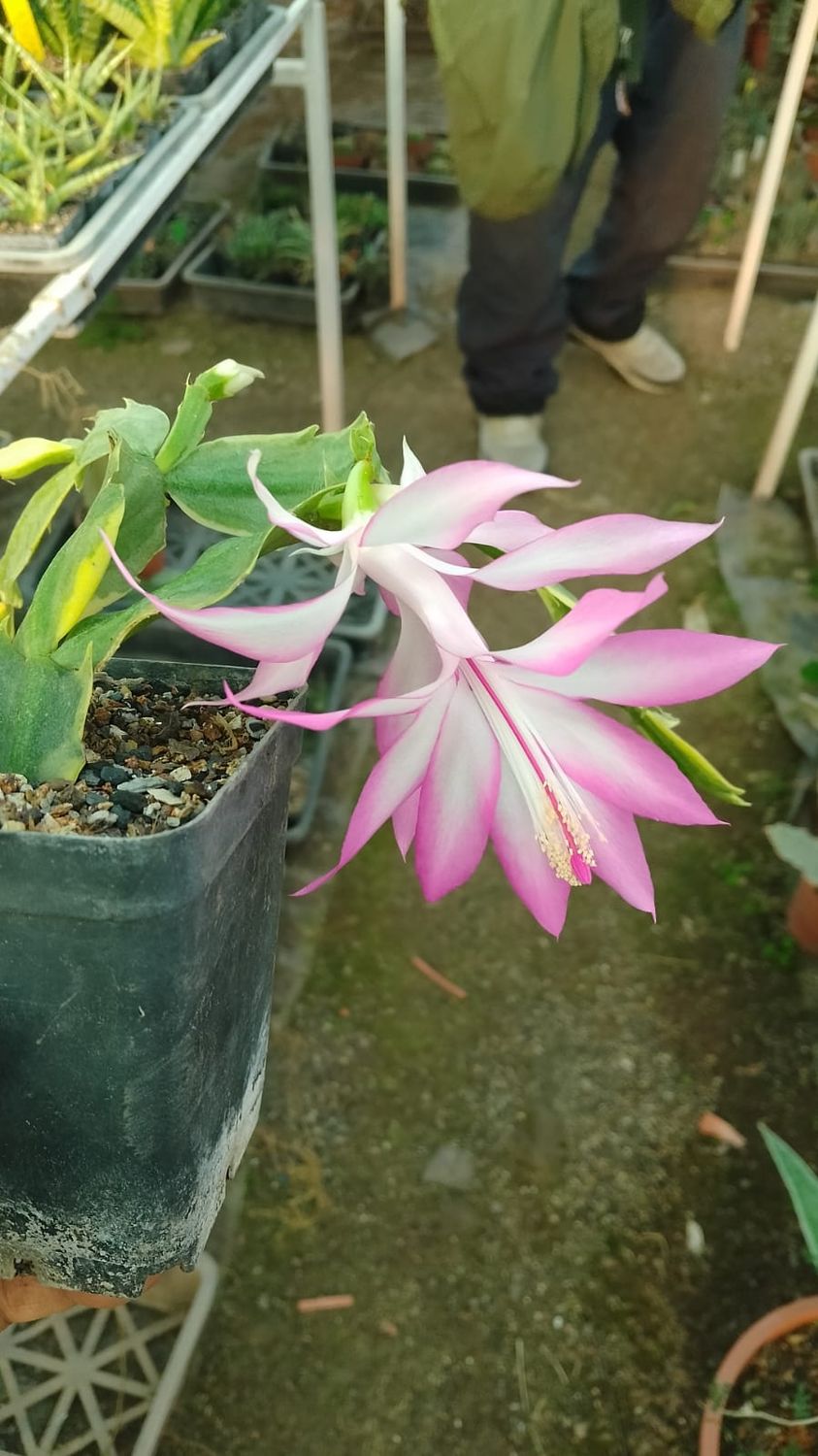
This vibrant, trailing cactus features flat, jointed stems composed of segments that are green with striking, creamy-white or yellowish edges—a true display of natural artistry. The variegation creates a beautiful, lace-like pattern that draws the eye and adds elegance to any space.
During late fall to early winter, Zygocactus truncata variegated produces stunning, tubular flowers in shades of bright pink, coral, white or red, which bloom profusely and exude a sweet fragrance. The flowers typically appear along the edges of the segments, with blooms lasting for several days and adding cheerful color to holiday decor or year-round plant displays.
Its cascading, arching growth habit makes it perfect for hanging baskets or as a tabletop centerpiece, bringing a festive touch of nature’s artistry into homes and gardens. Its durability and stunning foliage make it a favorite among succulent and cactus enthusiasts.
4. Conservation Status:
Zygocactus truncata variegated is a popular cultivated variety and is widely available in nurseries worldwide. It is not currently threatened or endangered, thanks to responsible propagation and cultivation efforts. However, wild populations in Brazil are vulnerable to habitat loss due to deforestation, emphasizing the importance of supporting sustainable sourcing and conservation initiatives.
5. Care:
To keep your Zygocactus truncata variegated healthy and vibrant:
- Watering: Water moderately during the growing season (spring and summer). Allow the top inch of soil to dry out between watering, and reduce watering significantly in winter.
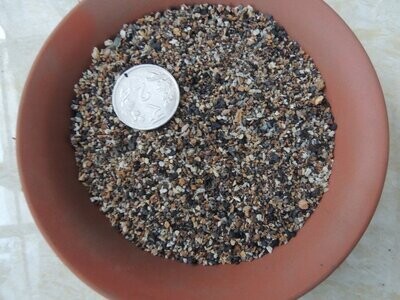
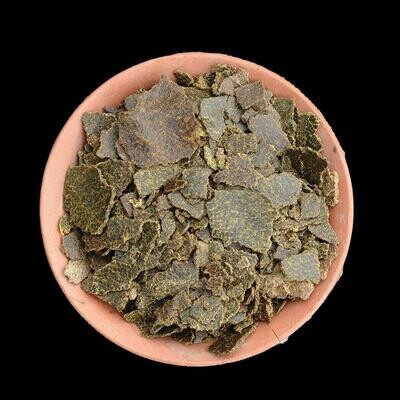
- Soil: Use a well-draining succulent or cactus mix, supplemented with organic matter like peat or compost for moisture retention.
- Light: Prefers bright, indirect sunlight. It can tolerate some direct morning sun but avoid harsh afternoon rays that may scorch the leaves.
- Temperature: Prefers warm temperatures between 65°F and 80°F (18°C - 27°C). Protect from frost—bring indoors during cold weather or provide frost protection.
- Additional Tips: Fertilize monthly during the active growing season with a balanced cactus fertilizer diluted to half strength. Prune lightly to maintain shape and remove dead stems, and repot every 2-3 years to keep the plant thriving.
Interesting Historical or Botanical Fact:
Zygocactus has long been associated with holiday celebrations, especially Christmas, owing to its spectacular, colorful blooms that appear in winter. In Brazil, this plant symbolizes hope and renewal, thriving in the humid rainforest and blossoming during the cold season—a magical reminder that beauty can flourish in the darkest or coldest times. Its variegated leaves are prized by collectors and indoor gardeners alike, symbolizing the union of resilience and elegance—a true “jewel of the tropics” that brightens every season of the year.