

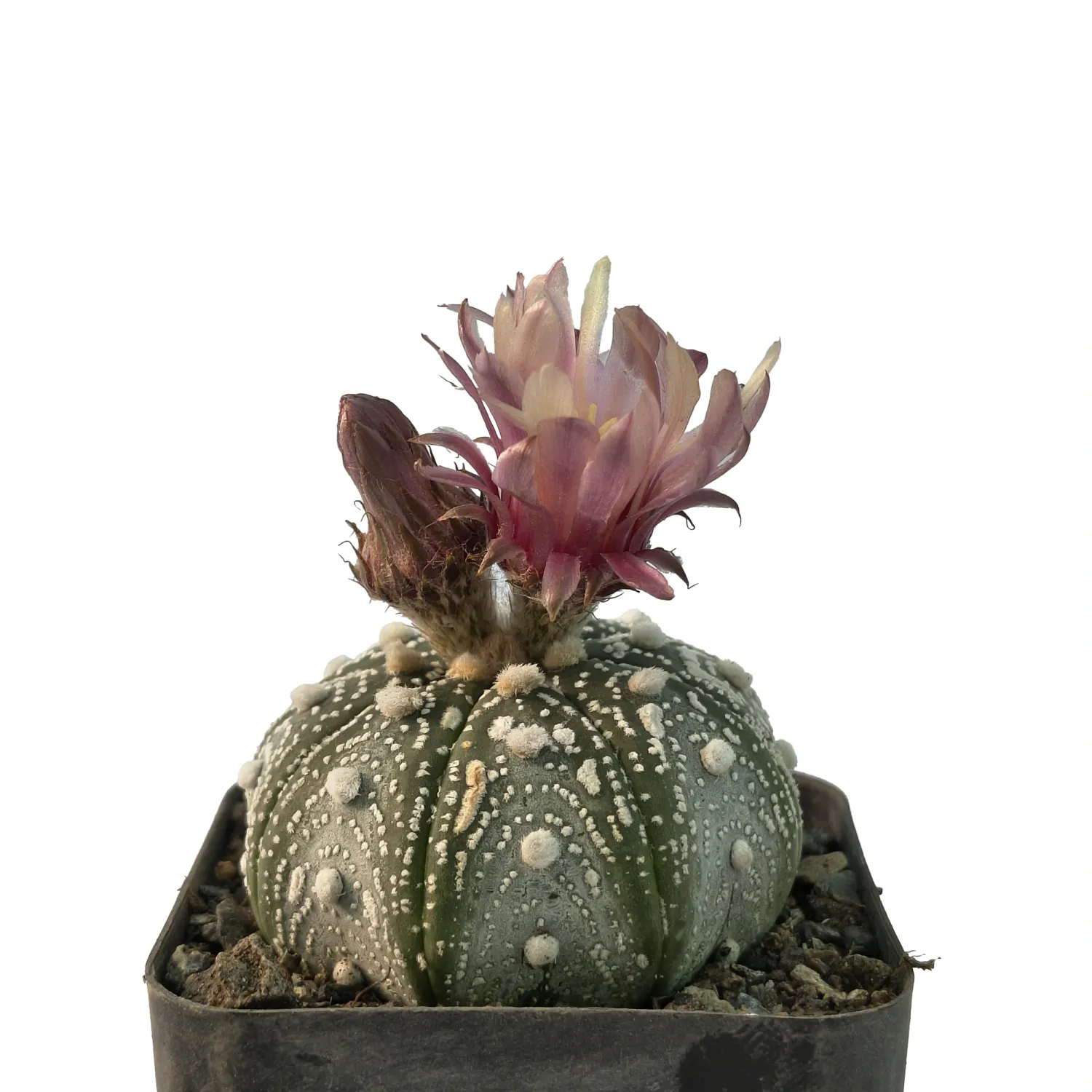
Astrophytum asterias AKABANA (Pink Flower)
Product Details
Same plant as shown will be sent.
The Crimson Star: Astrophytum asterias 'Akabana'
A rare botanical masterpiece featuring the elusive, vibrant red bloom seldom seen in the genus.
- Origin & History of Name: The name Astrophytum is derived from the Greek astron (star) and phyton (plant).
- Morphology: This globose, spineless cactus features a flattened, disc-like epidermis typically divided into eight symmetrical costae (ribs).
- Habitat & Origin: This is a specialized cultivar of Japanese origin, developed through generations of selective breeding by master succulent growers. The base species is native to the Rio Grande Valley in Texas and parts of Mexico.
- Cultivation Profile:
- Substrate: Use a strictly mineral-based mix (70% pumice or crushed brick, 30% coarse sand/perlite) with minimal organic matter to prevent root rot.
- Light: Requires bright, filtered sunlight. In the Indian climate, provide 30-50% shade during the intense afternoon heat of April to June to prevent scorching.
- Water/Dormancy: Water thoroughly only when the medium is bone-dry during the summer and monsoon. Observe strict winter dormancy from November to February by withholding water entirely to mimic its natural cycle.
- Scientific/Historical Anecdote: The genus Astrophytum was first described by Charles Lemaire in 1839. For over a century, the red-flowered trait was considered a "holy grail" for collectors, eventually stabilized in Japan through crossing A. asterias with A. capricorne and then back-crossing to maintain the "Star Cactus" shape while retaining the red floral pigment.
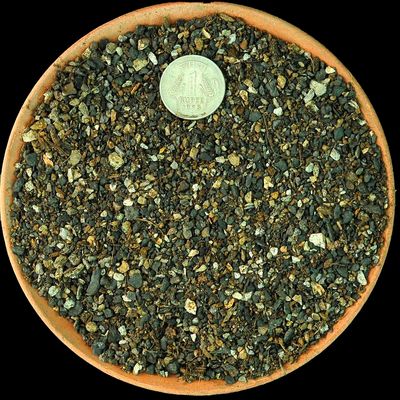
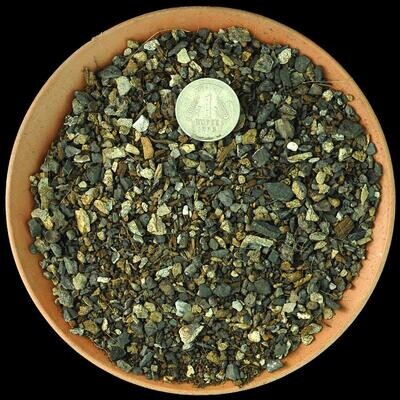
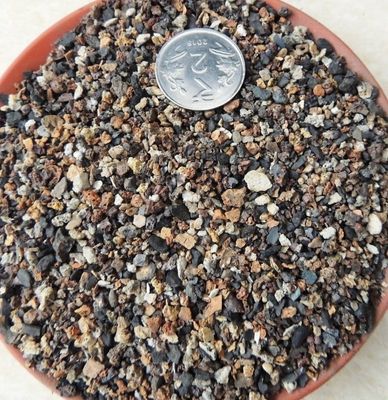
Cactus & Succulent Planting Mix FINE (aka Cactus Soil Mix or Succulent Soil Mix)
Cactus & Succulent Planting Mix FINE (aka Cactus Soil Mix or Succulent Soil Mix)
Fine-Grain Potting Mix for Cactus & Succulent Roots
SKU MNS001
₹35.51
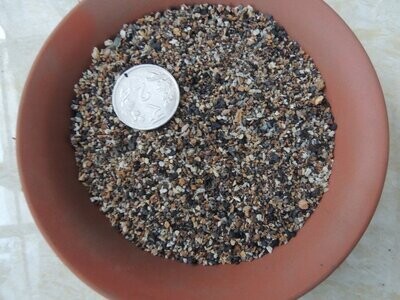
Cactus Seed Planting Mix
Cactus Seed Planting Mix
Sterile, Fine-Grain Media for Cactus & Succulent Seeds
SKU MNS005
₹70.51