


Astrophytum asterias cv Turtle
Product Details
Geometric Marvel: Astrophytum asterias cv. 'Turtle'
A rare living sculpture for the connoisseur, prized for its distinctive tessellated epidermis resembling an ancient tortoise shell.
- Origin & History of Name: The genus name Astrophytum is derived from the Greek astron (star) and phyton (plant).
The specific epithet asterias refers to its sea-star-like shape. The cultivar name 'Turtle' (often associated with the Japanese 'Kikko' lineage) refers to the unique "nudum" surface that breaks into polygonal plates, mimicking the scutes of a turtle shell. - Morphology: This spineless cactus features a globose, depressed stem. Its most striking feature is the epidermis, which lacks the typical white trichomes (fuzz) of the standard species. Instead, the costae (ribs) are divided by deep transverse fissures, creating a tubercular, geometric pattern. The areoles are prominent, felt-like tufts arranged along the center of each rib.
- Habitat & Origin: This is a strictly man-made cultivar, primarily developed through intensive selection by Japanese breeders.
It does not exist in the wild. The parent species, Astrophytum asterias, is native to the Rio Grande Valley in Texas and parts of Mexico, where it is endangered; however, these cultivars are sustainably laboratory-grown or greenhouse-bred. - Cultivation Profile:
- Substrate: Strictly mineral-based mix (70% pumice, lava rock, or crushed brick; 30% organic matter). Avoid standard garden soil which retains too much moisture in humid Indian climates.
- Light: Bright, indirect light. In India, provide 40-50% shade cloth during peak summer (April–June) to prevent sunscald on the dark epidermis.
- Water/Dormancy: Follow a "soak and dry" method. Completely withhold water during the monsoon if humidity is above 80%, and keep bone-dry during winter dormancy (November–February).
- Scientific/Historical Anecdote: The parent species, Astrophytum asterias, was first "discovered" for science by Baron Wilhelm Friedrich von Karwinsky in 1843. However, it was lost to the botanical world for nearly 80 years until it was rediscovered in 1923 by Dr. Alberto Viereck, sparked by a single specimen found in a private collection in Mexico.
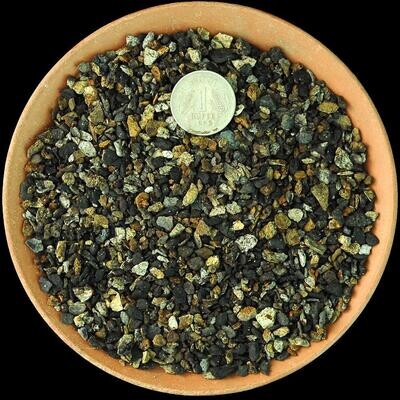
Cactus & Succulent Planting Mix COARSE (aka Cactus Soil Mix or Succulent Soil Mix)
Cactus & Succulent Planting Mix COARSE (aka Cactus Soil Mix or Succulent Soil Mix)
Washed, Free-Draining Mineral Mix for Cactus & Succulents
SKU MNS003
₹44.85
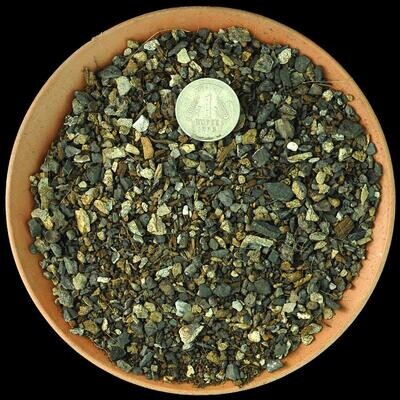


Cactus Seed Planting Mix
Cactus Seed Planting Mix
Sterile, Fine-Grain Media for Cactus & Succulent Seeds
SKU MNS005
₹74.85
New


Monsoon Guardian Kit (5 in 1)
Monsoon Guardian Kit (5 in 1)
Complete 5-in-1 biological protection kit for cacti & succulents
SKU MNS024
₹850.00