

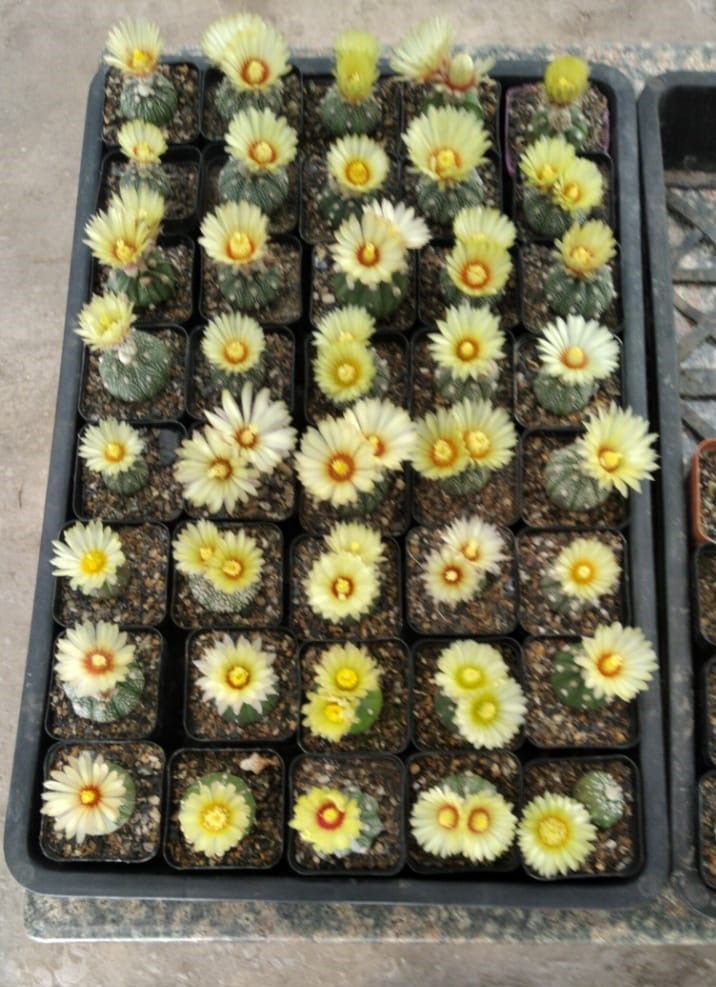
Astrophytum asterias Native
Product Details
Celestial Symmetry: Astrophytum asterias Native
A living masterpiece for the connoisseur, this star-shaped succulent embodies the raw, geometric perfection of the wild Chihuahuan desert.
- Origin & History of Name: The genus name Astrophytum originates from the Greek words astron (star) and phyton (plant), describing its distinct radial symmetry.
The specific epithet asterias is Latin for "star-like." It was first formally described by the German botanist Gerhard Zuccarini in 1845, who recognized its unique form as being distinct from other North American cacti. - Morphology: This species is characterized by a globose, flattened epidermis that is typically grey-green and spineless. It features 8 flat costae (ribs) divided by shallow furrows. The plant is adorned with prominent, circular white areoles and a scattering of tiny white tufts (trichomes) that give it a characteristic "sand dollar" appearance.
Unlike cultivars, the native form maintains a more compact, ground-hugging profile. - Habitat & Origin: This is a wild species native to the Rio Grande Valley in Texas, USA, and parts of Tamaulipas and Nuevo León in Mexico.
It is an endangered species in its natural habitat; therefore, all specimens offered are nursery-grown from seed (ex-situ conservation) to ensure environmental sustainability and legal trade compliance. - Cultivation Profile:
- Substrate: Use a highly porous, mineral-based mix consisting of 80% inorganic material (crushed brick, pumice, or coarse river sand) and 20% organic compost.
- Light: Requires bright, filtered light.
In the Indian subcontinent, protect from direct afternoon sun during peak summer to avoid epidermis burn, but ensure high luminosity to prevent etiolation. - Water/Dormancy: Follow a "soak and dry" method. Avoid watering during high-humidity monsoon spells unless the plant shows signs of shrinking. Maintain a completely dry winter dormancy (November–February) to trigger spring flowering.
- Scientific/Historical Anecdote: Astrophytum asterias is famously known as the "Star Cactus" or "Sea Urchin Cactus."
Scientifically, it is notable for its slow growth rate and unique defense mechanism; in the wild, it often retracts entirely below the soil surface during droughts, using its flat shape and cryptic coloration to remain invisible to herbivores and collectors alike.
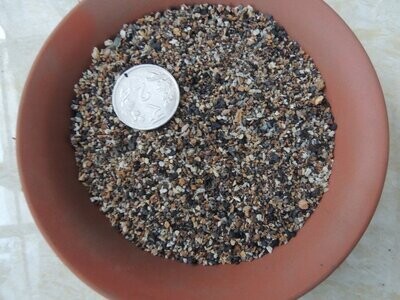
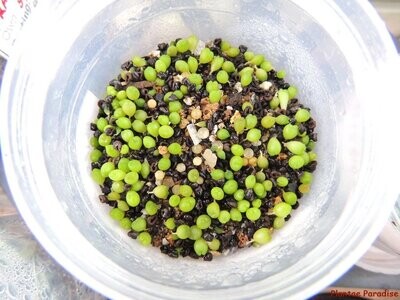
Cactus Seed Planting Mix
Cactus Seed Planting Mix
Sterile, Fine-Grain Media for Cactus & Succulent Seeds
SKU MNS005
₹74.85
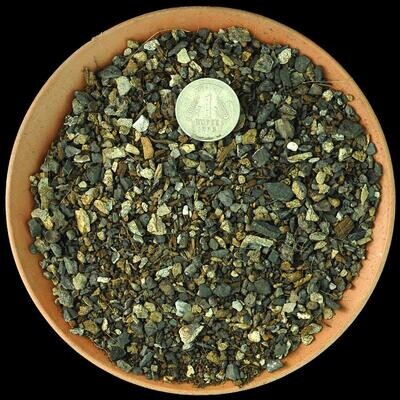
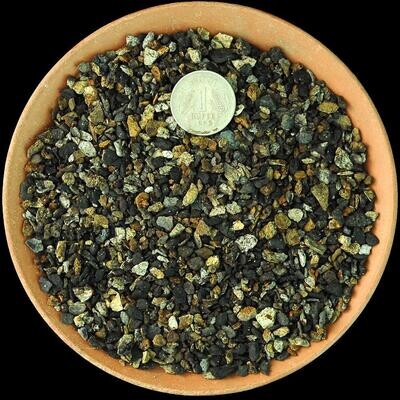
Cactus & Succulent Planting Mix COARSE (aka Cactus Soil Mix or Succulent Soil Mix)
Cactus & Succulent Planting Mix COARSE (aka Cactus Soil Mix or Succulent Soil Mix)
Washed, Free-Draining Mineral Mix for Cactus & Succulents
SKU MNS003
₹44.85
New
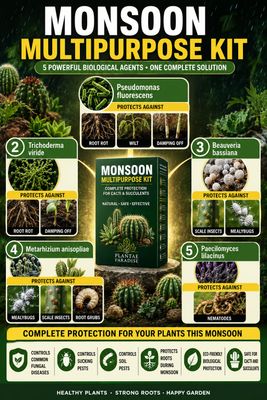
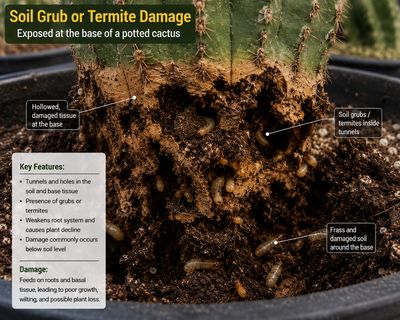
Monsoon Guardian Kit (5 in 1)
Monsoon Guardian Kit (5 in 1)
Complete 5-in-1 biological protection kit for cacti & succulents
SKU MNS024
₹850.00