Astrophytum Asterias Ooibo BLACK/ PURPLE
Product Details
Celestial Darkness: Astrophytum asterias 'Ooibo Black/Purple'
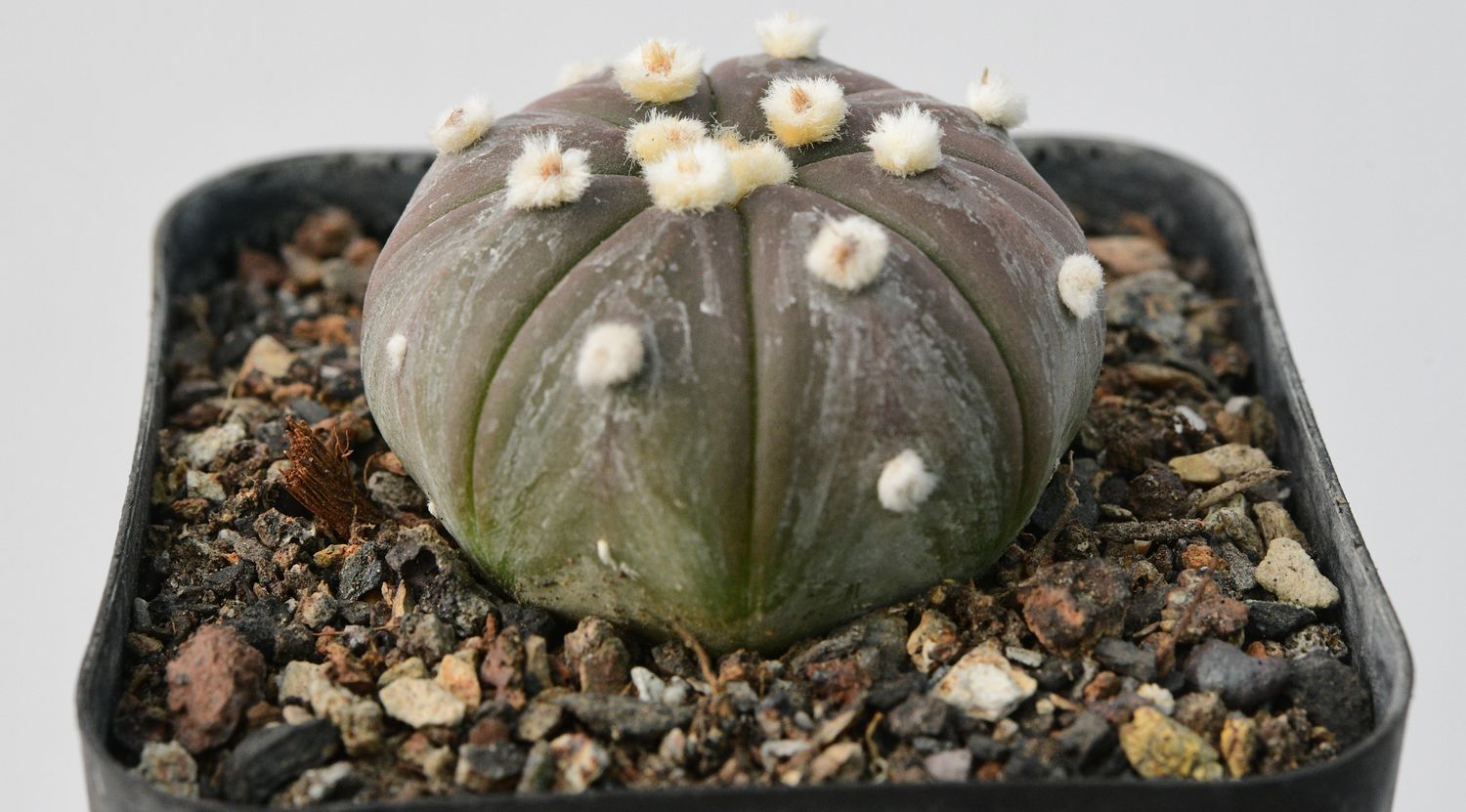
A pinnacle of Japanese selection, this specimen features velvet-textured, melanistic pigmentation contrasted by oversized, woolly areoles.
- Origin & History of Name: The genus name Astrophytum is derived from the Greek astron (star) and phyton (plant).
The specific epithet asterias refers to its resemblance to a starfish. "Ooibo" is a Japanese horticultural term meaning "large pustule" or "large wart," signifying the exaggerated size of the woolly areoles. The "Black/Purple" designation identifies a specific anthocyanin-rich mutation stabilized by Japanese breeders to produce dark, non-chlorophyllous hues. - Morphology: This globose cactus lacks spines, featuring a dark, matte epidermis ranging from deep plum to near-black. The plant is divided by 8 symmetrical costae (ribs). Along the ribs sit the "Ooibo" characteristics: exceptionally large, white, felt-like areoles that create a stark visual contrast. Unlike common varieties, this cultivar shows a high concentration of betalain pigments, which mask the green chlorophyll to create its signature dark aesthetic.
- Habitat & Origin: While the base species is native to small pockets of Texas (USA) and Tamaulipas (Mexico), this is a highly specialized cultivar perfected in Japan. It is the result of decades of selective breeding for specific aesthetic traits. This specimen is nursery-grown and often grafted onto hardy rootstock to ensure longevity, protecting the vulnerable wild populations which are currently endangered in their native range.
- Cultivation Profile:
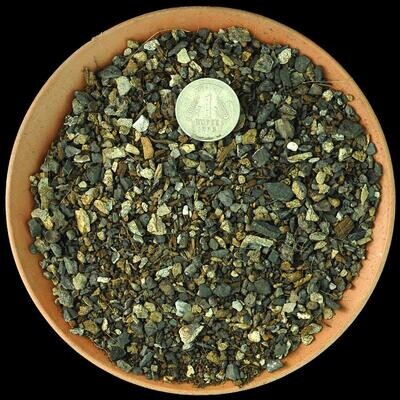
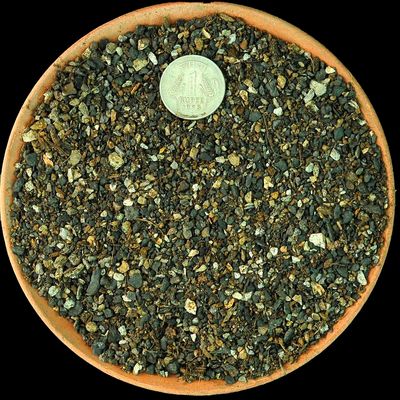
- Substrate: Requires a strictly mineral-based mix (80-90%). Use a combination of akadama, pumice, and crushed volcanic rock. Avoid any moisture-retaining organic peat.
- Light: Prefers bright, filtered light. In the Indian subcontinent, direct midday sun during April–June will scorch the dark epidermis; use 50% shade netting. Intense light is required to maintain the deep purple pigmentation.
- Water/Dormancy: Extremely sensitive to overwatering. Water only when the body feels slightly soft. In India’s monsoon, ensure zero humidity stagnation via high ventilation. During winter, maintain a dry dormancy to prevent taproot rot.
- Scientific/Historical Anecdote: The Astrophytum asterias was first discovered for science by the German physician and botanist Baron Wilhelm Friedrich von Karwinsky in 1843. However, it was "lost" to the botanical world for nearly 80 years afterward, with no new specimens found until it was rediscovered in the early 20th century. Today, the "Ooibo" lineage represents the height of "living sculpture" breeding, where plants are judged with the same rigor as fine art.
New
Monsoon Guardian Kit (5 in 1)
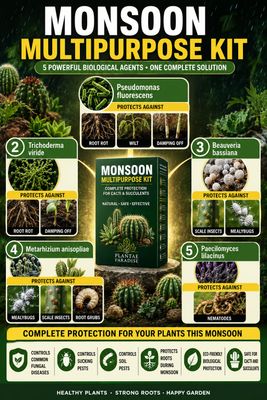
Monsoon Guardian Kit (5 in 1)
Complete 5-in-1 biological protection kit for cacti & succulents
SKU MNS024
₹850.00


Cactus & Succulent Planting Mix FINE (aka Cactus Soil Mix or Succulent Soil Mix)
Cactus & Succulent Planting Mix FINE (aka Cactus Soil Mix or Succulent Soil Mix)
Fine-Grain Potting Mix for Cactus & Succulent Roots
SKU MNS001
₹39.85