

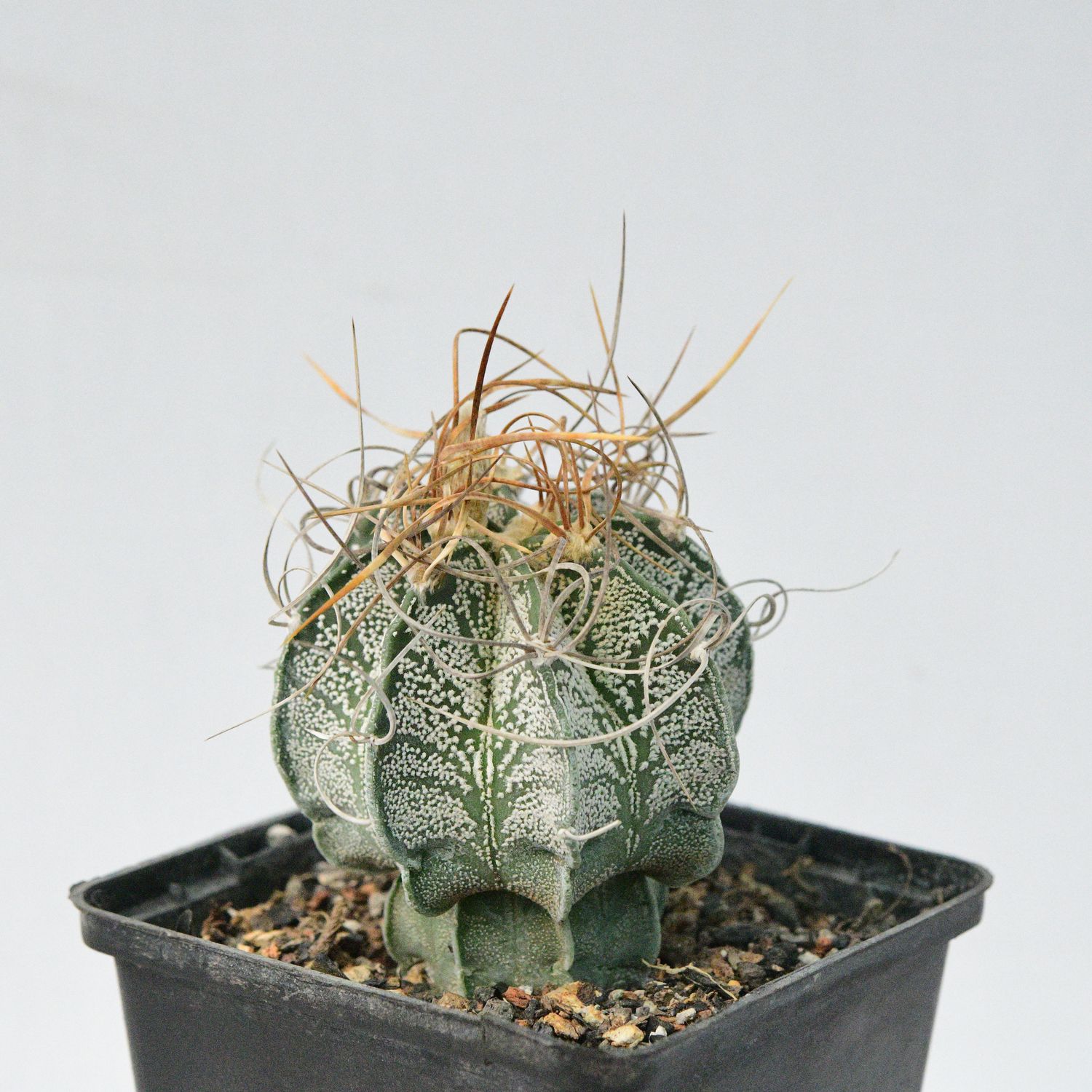
Astrophytum capricorne ssp. senile
Product Details
The Silver Goat’s Horn: Astrophytum capricorne subsp. senile
An architectural masterpiece for the serious collector, featuring a dense crown of flexible, wire-like spines that mimic the grace of age.
- Origin & History of Name: The genus name Astrophytum is derived from the Greek astron (star) and phyton (plant), referring to its star-shaped ribs. The specific epithet capricorne refers to the curved spines resembling a goat's horn (Capra). The subspecies name senile comes from the Latin for "old man," attributed to the plant’s characteristic covering of long, soft, whitish-to-dark spines that resemble graying hair as the specimen matures.
- Morphology: This globose-to-columnar cactus is distinguished by its dark green epidermis and prominent, sharp-edged costae (ribs). Unlike other members of the genus, subsp. senile is often devoid of the white tufted floccosity (dots) on the skin, allowing its dark body to contrast sharply with its dense, upward-curving spines. It produces large, satiny yellow flowers with a deep red actinomorphic center.
- Habitat & Origin: This is a wild-type species native to the arid Chihuahuan Desert in Northern Mexico, specifically found on limestone hills. Our specimens are ethically nursery-propagated via seed to ensure the protection of wild populations and the sustainability of the hobby.
- Cultivation Profile:
- Substrate: Requires a strictly mineral-based mix (60% pumice or perlite, 20% coarse sand, 20% soil). In the humid Indian climate, avoid peat-heavy mixes to prevent root rot.
- Light: Thrives in bright, filtered sunlight. In Northern or Central India, provide 40-50% shade cloth during peak summer (April–June) to prevent epidermal scorching.
- Water/Dormancy: Water thoroughly only when the substrate is completely bone-dry. During the Indian monsoon and winter, enter a strict dry dormancy; moisture during high humidity or cold nights is the primary cause of fungal infection.
- Scientific/Historical Anecdote: The Astrophytum genus was first described by Charles Lemaire in 1839. This particular subspecies is unique because its spines are not just for defense; in its native habitat, the tangled "hair" acts as a sophisticated cooling system, breaking up airflow and providing a micro-layer of shade over the plant's skin to survive the intense Mexican sun.
Cactus Seed Planting Mix
Cactus Seed Planting Mix
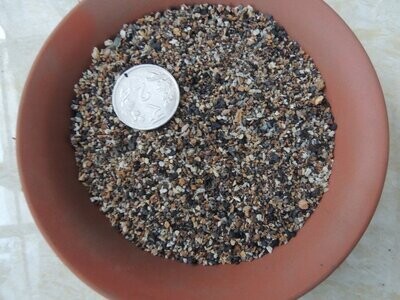
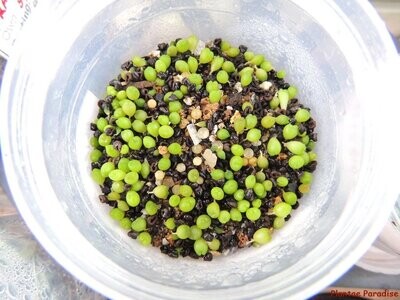
Sterile, Fine-Grain Media for Cactus & Succulent Seeds
SKU MNS005
₹74.85
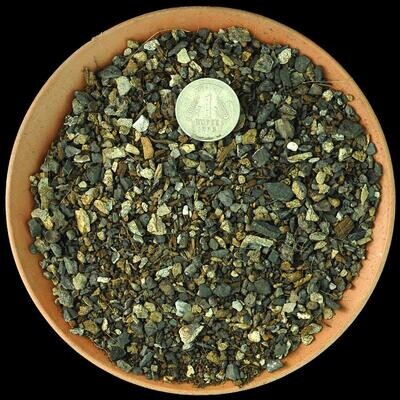
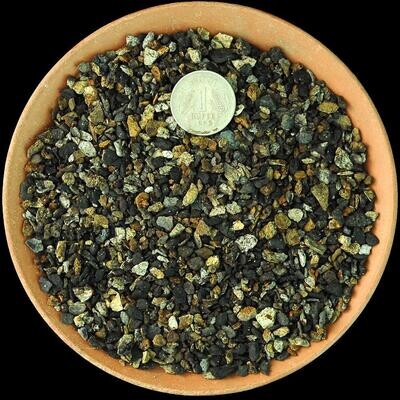
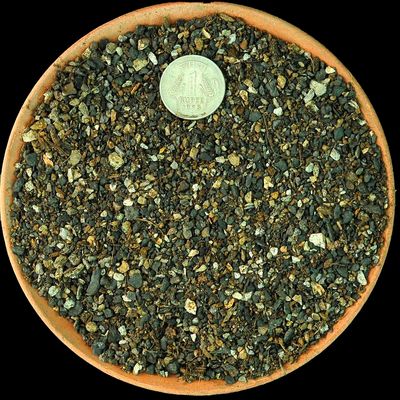
Cactus & Succulent Planting Mix COARSE (aka Cactus Soil Mix or Succulent Soil Mix)
Cactus & Succulent Planting Mix COARSE (aka Cactus Soil Mix or Succulent Soil Mix)
Washed, Free-Draining Mineral Mix for Cactus & Succulents
SKU MNS003
₹44.85