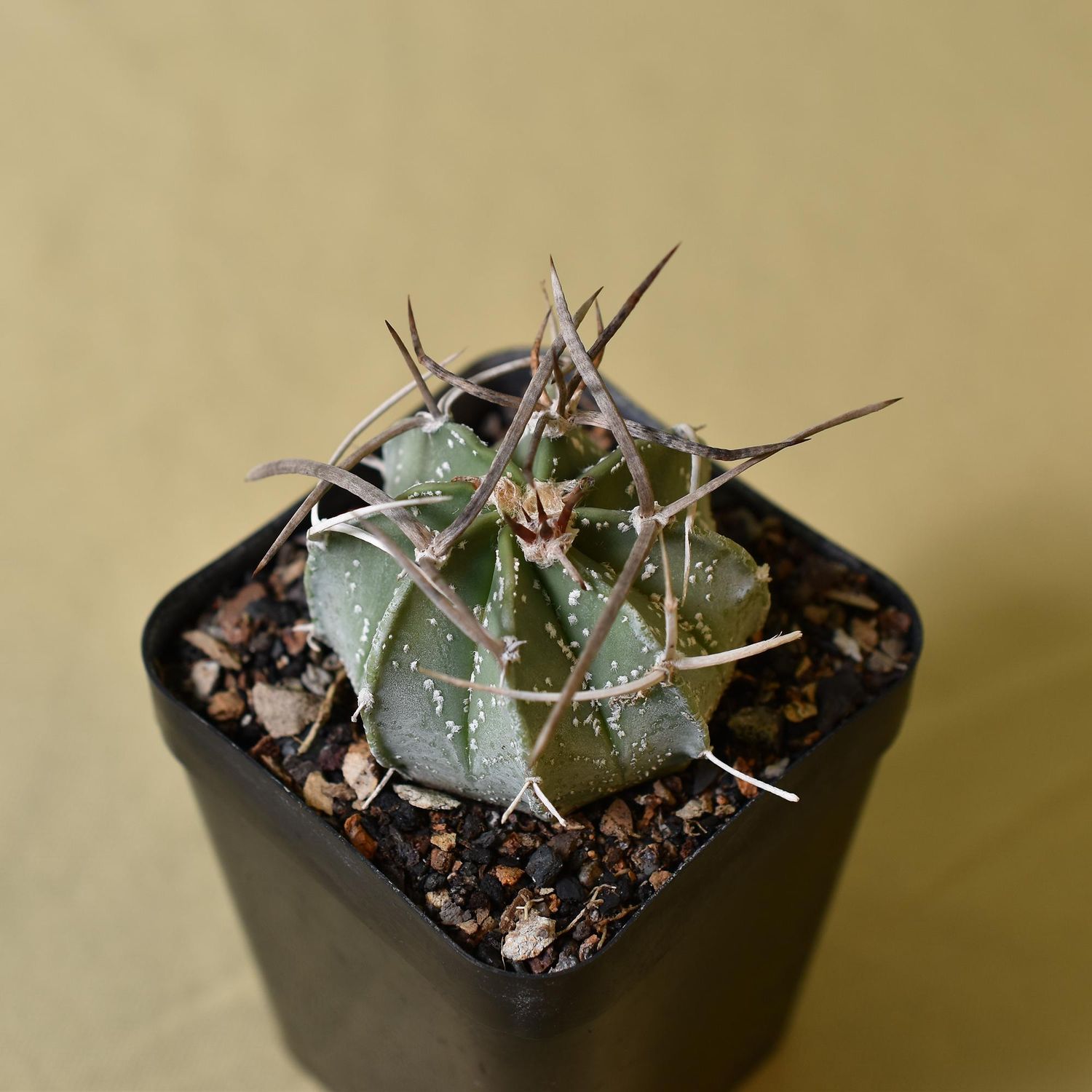
Astrophytum capricorne v. crassispinum nudum cv. yellow buffalo spine
Product Details
Golden Elegance: Astrophytum capricorne v. crassispinum nudum cv. 'Yellow Buffalo Spine'
A collector’s masterpiece, this rare spineless cultivar reimagines the classic Goat's Horn cactus with striking, thick golden-yellow ribs.
- Origin & History of Name: The name Astrophytum stems from the Greek astron (star) and phyton (plant).
- Morphology: This specimen features a dark green, glossy epidermis entirely devoid of white flecking. It typically possesses 7 to 8 prominent costae (ribs). While "nudum" forms are often spineless, this specific cultivar is prized for its "spines"—which are actually thickened, horn-like rib margins or vestigial structures—rendered in a vivid, waxy yellow. Its flowers are large, funnel-shaped, and satiny yellow with a deep red throat.
- Habitat & Origin: This is a specialized cultivar (cultivated variety) originating from selective breeding programs, likely in Japan or Thailand, where Astrophytum hybridization is most advanced. It does not exist in the wild; its parent species, A. capricorne, is native to the Coahuila region of Northern Mexico. Our specimens are nursery-grown via sustainable seed propagation, ensuring no impact on wild populations.
- Cultivation Profile:
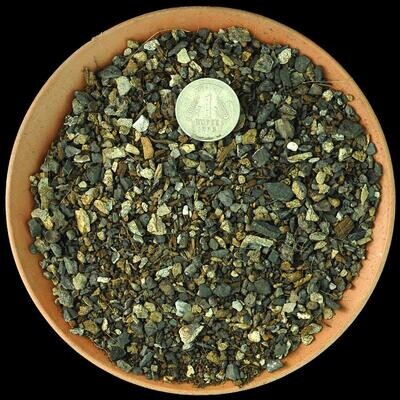
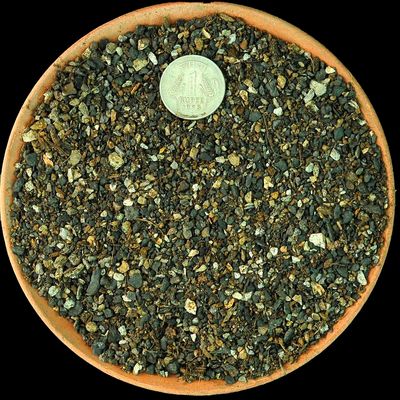
- Substrate: Use a strictly mineral-based mix (70% grit). Combine coarse river sand, volcanic pumice, and perlite with only 10-20% organic compost or leaf mold.
- Light: Requires bright, filtered sunlight. In the Indian subcontinent, provide 40-50% shade cloth protection during peak summer (March–June) to prevent epidermal scorching.
- Water/Dormancy: Follow a "soak and dry" method. Water thoroughly when the substrate is bone-dry. During the monsoon and winter dormancy, withhold water almost entirely to prevent root rot in high humidity.
- Scientific/Historical Anecdote: The genus Astrophytum was first described by Charles Lemaire in 1839. Interestingly, the "star" shape of these plants is an evolutionary adaptation for heat dissipation; the deep ribs provide shade to the plant's own surface and allow for expansion and contraction during the extreme fluctuations of the Mexican desert.
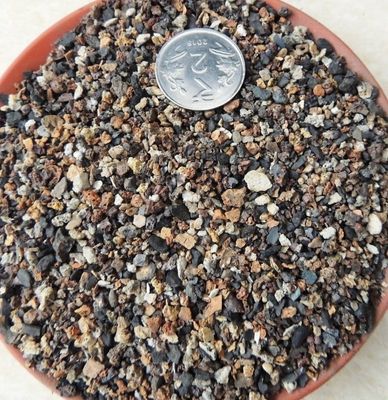
Cactus & Succulent Planting Mix FINE (aka Cactus Soil Mix or Succulent Soil Mix)
Cactus & Succulent Planting Mix FINE (aka Cactus Soil Mix or Succulent Soil Mix)
Fine-Grain Potting Mix for Cactus & Succulent Roots
SKU MNS001
₹35.51
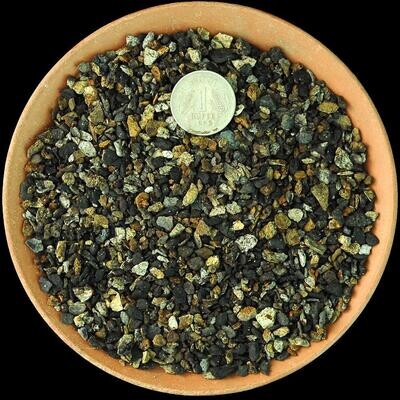
Cactus & Succulent Planting Mix COARSE (aka Cactus Soil Mix or Succulent Soil Mix)
Cactus & Succulent Planting Mix COARSE (aka Cactus Soil Mix or Succulent Soil Mix)
Washed, Free-Draining Mineral Mix for Cactus & Succulents
SKU MNS003
₹40.51