

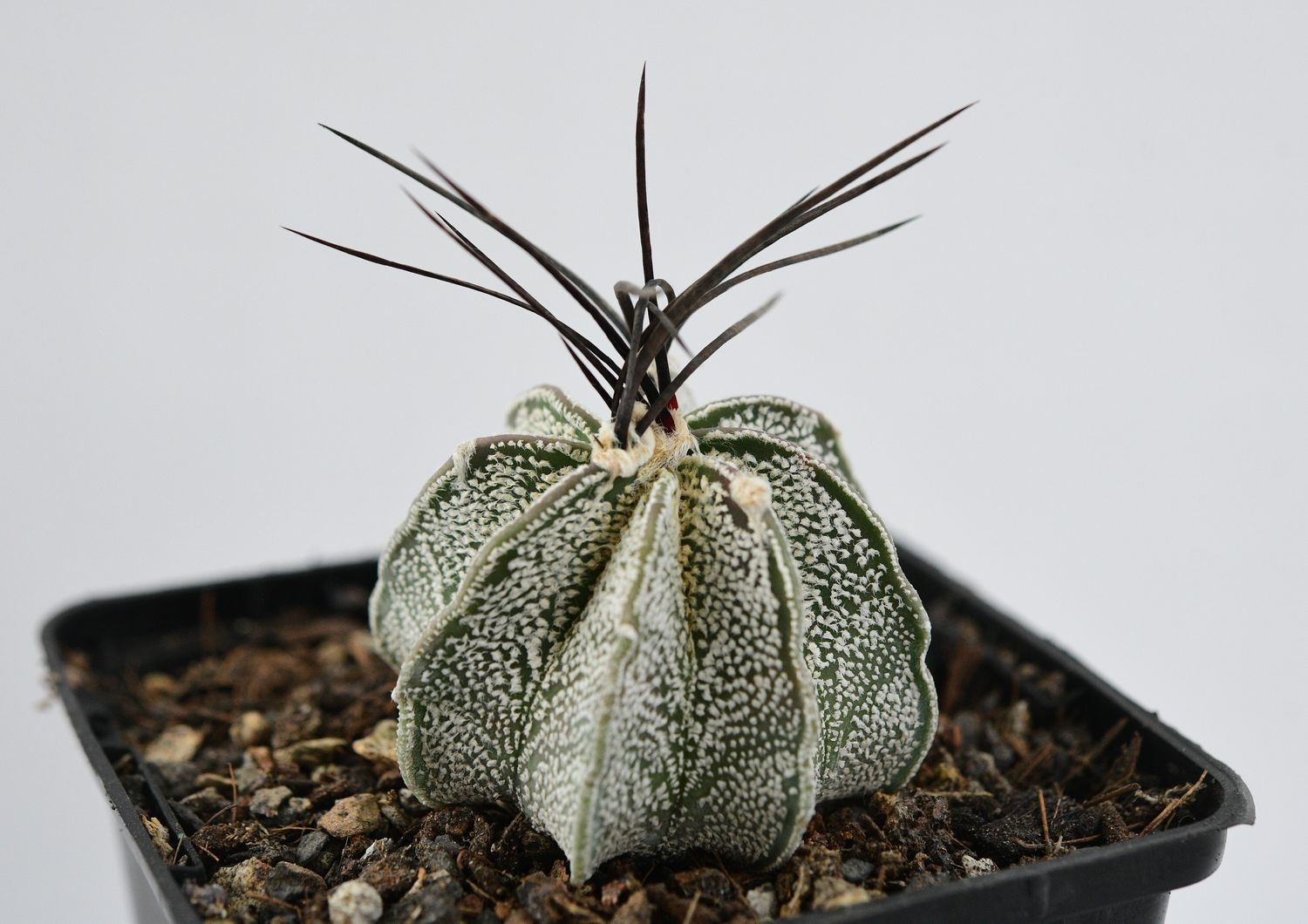
Astrophytum Capricorne var. Niveum
Product Details
Snow-Flecked Majesty: Astrophytum capricorne var. niveum
Characterized by its dense coating of pure white scales and formidable curved spines, this variety represents the pinnacle of desert-hardy geometric elegance.
- Origin & History of Name: The genus name Astrophytum originates from the Greek astron (star) and phyton (plant), referencing the star-like shape when viewed from above.
The species name capricorne translates to "goat-horn," describing the twisted spine morphology. The varietal name niveum is Latin for "snowy," established by botanist Curt Backeberg to distinguish specimens with a heavy, white epidermal flecking that obscures the green body. - Morphology: This globose cactus typically features 8 prominent costae (ribs) that are sharp and well-defined. Its unique aesthetic is defined by its extreme density of white felt-like scales, which serve as a natural sunscreen. Unlike the type species, niveum possesses thick, rigid, upward-curving spines that are typically black or dark brown in youth, providing a stark chromatic contrast against the white body. The plant produces large, diurnal flowers that are yellow with a deep red actinomorphic center.
- Habitat & Origin: This is a wild variety native to the arid limestone hills of Coahuila, Mexico. While it originates from a specific wild geographic range, specimens offered for sale are nursery-grown from seed to ensure conservation of wild populations. This sustainable cultivation method preserves the species’ genetic integrity while protecting its vulnerable natural habitat from poaching.
- Cultivation Profile:
- Substrate: Use a strictly mineral-based, calcareous mix. Combine 80% crushed limestone, grit, and volcanic rock with 20% organic matter. Ensure the collar of the plant is top-dressed with gravel to prevent moisture retention against the epidermis.
- Light: Requires intense, filtered sunlight. In the Indian subcontinent, it thrives under 50% green shade netting during the intense summer months to prevent scorching, while benefiting from full winter sun.
- Water/Dormancy: Implement a strict "dry-soak" regime. Water only when the substrate is completely dehydrated during the growing season (March–October). In the Indian winter, the plant undergoes obligate dormancy; withhold water entirely from November to February to prevent root necrosis and maintain the characteristic compact shape.
- Scientific/Historical Anecdote: The "flocking" or white scales on Astrophytum are actually composed of highly modified trichomes (plant hairs).
Beyond reflecting UV radiation to keep the plant cool, these scales are capable of absorbing trace amounts of moisture from morning dew and fog in their native Chihuahuan Desert, a vital evolutionary adaptation for survival in rain-shadow regions.
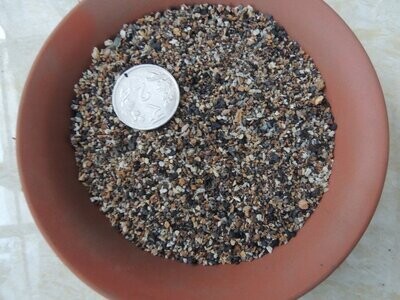
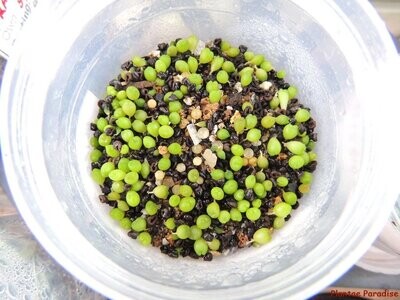
Cactus Seed Planting Mix
Cactus Seed Planting Mix
Sterile, Fine-Grain Media for Cactus & Succulent Seeds
SKU MNS005
₹74.85
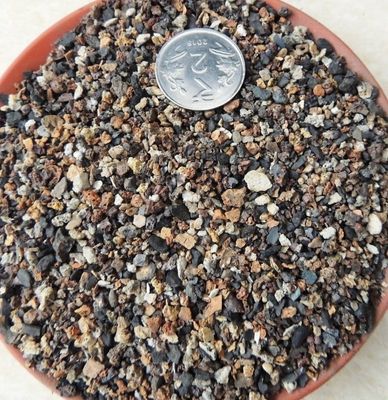
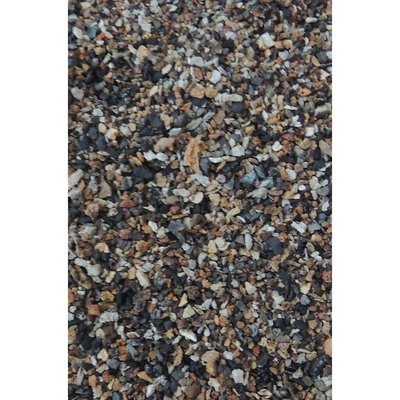
Cactus & Succulent Planting Mix FINE (aka Cactus Soil Mix or Succulent Soil Mix)
Cactus & Succulent Planting Mix FINE (aka Cactus Soil Mix or Succulent Soil Mix)
Fine-Grain Potting Mix for Cactus & Succulent Roots
SKU MNS001
₹39.85

