

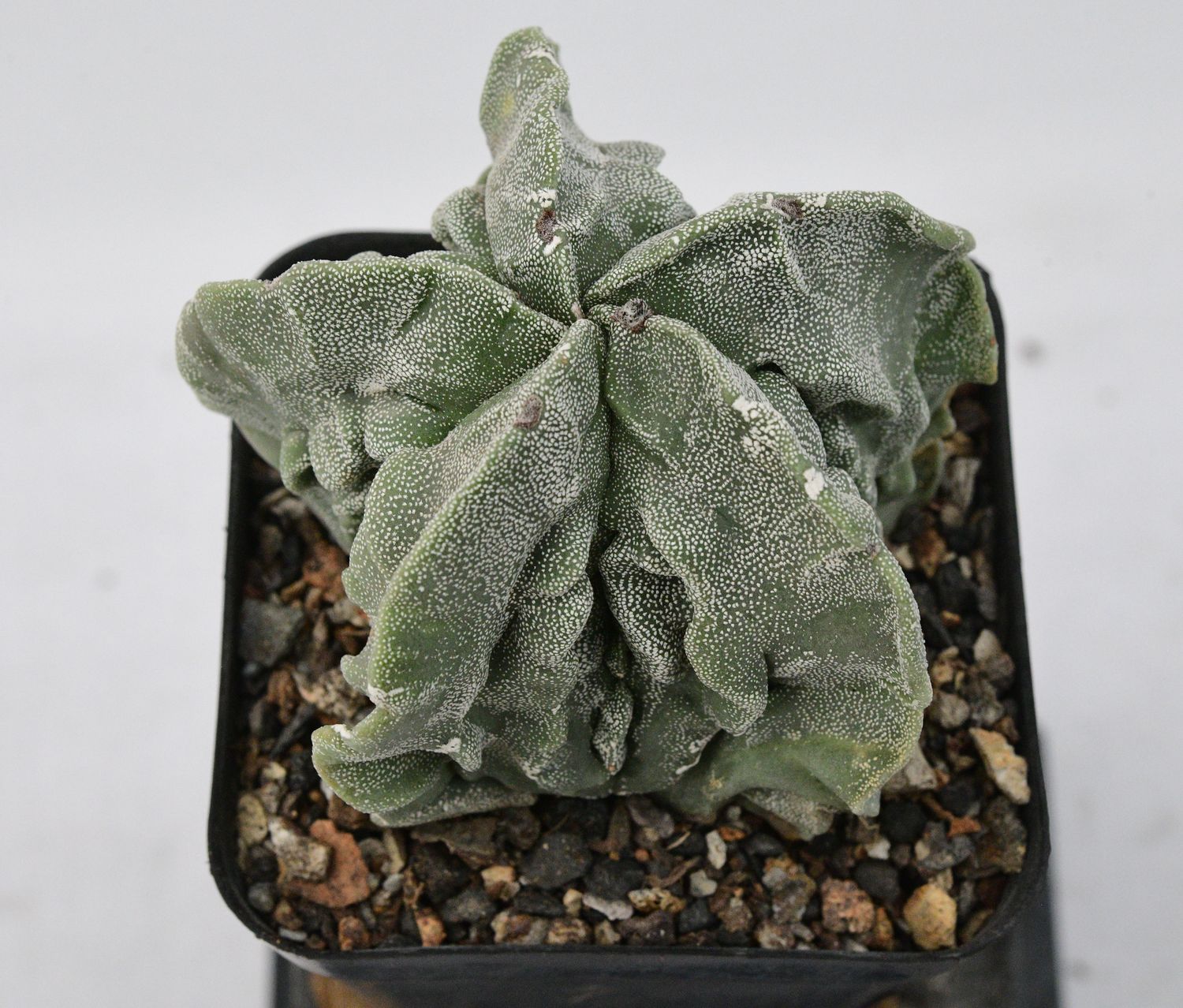
Astrophytum myriostigma cv FUKURYU
Product Details
Sculptural Sophistication: Astrophytum myriostigma cv. Fukuryu
An architectural masterpiece highly prized for its "hidden ribs" and exceptional structural complexity.
- Origin & History of Name: The genus name Astrophytum stems from the Greek astron (star) and phyton (plant). The specific epithet myriostigma translates to "myriad of dots," referencing the plant’s characteristic white flecks. "Fukuryu" is a Japanese term meaning "crawling dragon," a poetic reference to the extra ribs or protrusions that develop between the primary sections.
- Morphology: This cultivar is distinguished by its unique "Fukuryu" trait: the presence of irregular, secondary costae (ribs) or tubercles between the primary ribs. Its epidermis is typically glaucous and densely covered in trichomes (minute white scales). Unlike the standard star cactus, these additional growths create a rugged, multi-layered texture that intensifies as the specimen matures.
- Habitat & Origin: This is a specialized cultivar (cv.) of Japanese origin, selectively bred from the wild Astrophytum myriostigma native to the Chihuahuan Desert in Mexico. As a nursery-produced selection, it represents a sustainable choice for collectors, ensuring that wild populations remain undisturbed in their natural limestone habitats.
- Cultivation Profile:
- Substrate: Use a strictly mineral-based mix (70% grit/pumice, 30% organic matter) to ensure rapid drainage and high aeration.
- Light: Requires bright, filtered sunlight; in the intense Indian summer, 30-50% green shade net is essential to prevent epidermal scorching.
- Water/Dormancy: Follow a "soak and dry" method during the growing season. In the Indian monsoon, maintain strict dryness to prevent root rot. During the winter dormancy, water should be withheld almost entirely.
- Scientific/Historical Anecdote: Astrophytum myriostigma was first described by Charles Lemaire in 1839. While the wild form typically has five ribs, Japanese breeders spent decades perfecting the "Fukuryu" and "Onzuka" lines, transforming a simple star-shaped cactus into a complex, living geometry that is now a cornerstone of high-end succulent shows worldwide.
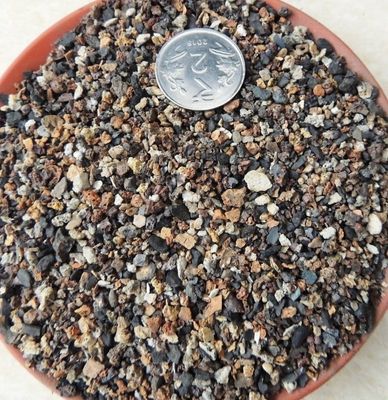

Cactus & Succulent Planting Mix FINE (aka Cactus Soil Mix or Succulent Soil Mix)
Cactus & Succulent Planting Mix FINE (aka Cactus Soil Mix or Succulent Soil Mix)
Fine-Grain Potting Mix for Cactus & Succulent Roots
SKU MNS001
₹39.85
New


Monsoon Guardian Kit (5 in 1)
Monsoon Guardian Kit (5 in 1)
Complete 5-in-1 biological protection kit for cacti & succulents
SKU MNS024
₹850.00
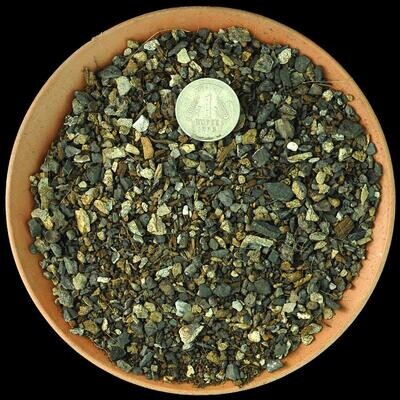
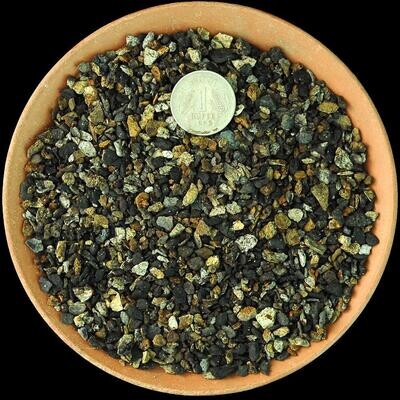
Cactus & Succulent Planting Mix COARSE (aka Cactus Soil Mix or Succulent Soil Mix)
Cactus & Succulent Planting Mix COARSE (aka Cactus Soil Mix or Succulent Soil Mix)
Washed, Free-Draining Mineral Mix for Cactus & Succulents
SKU MNS003
₹44.85