

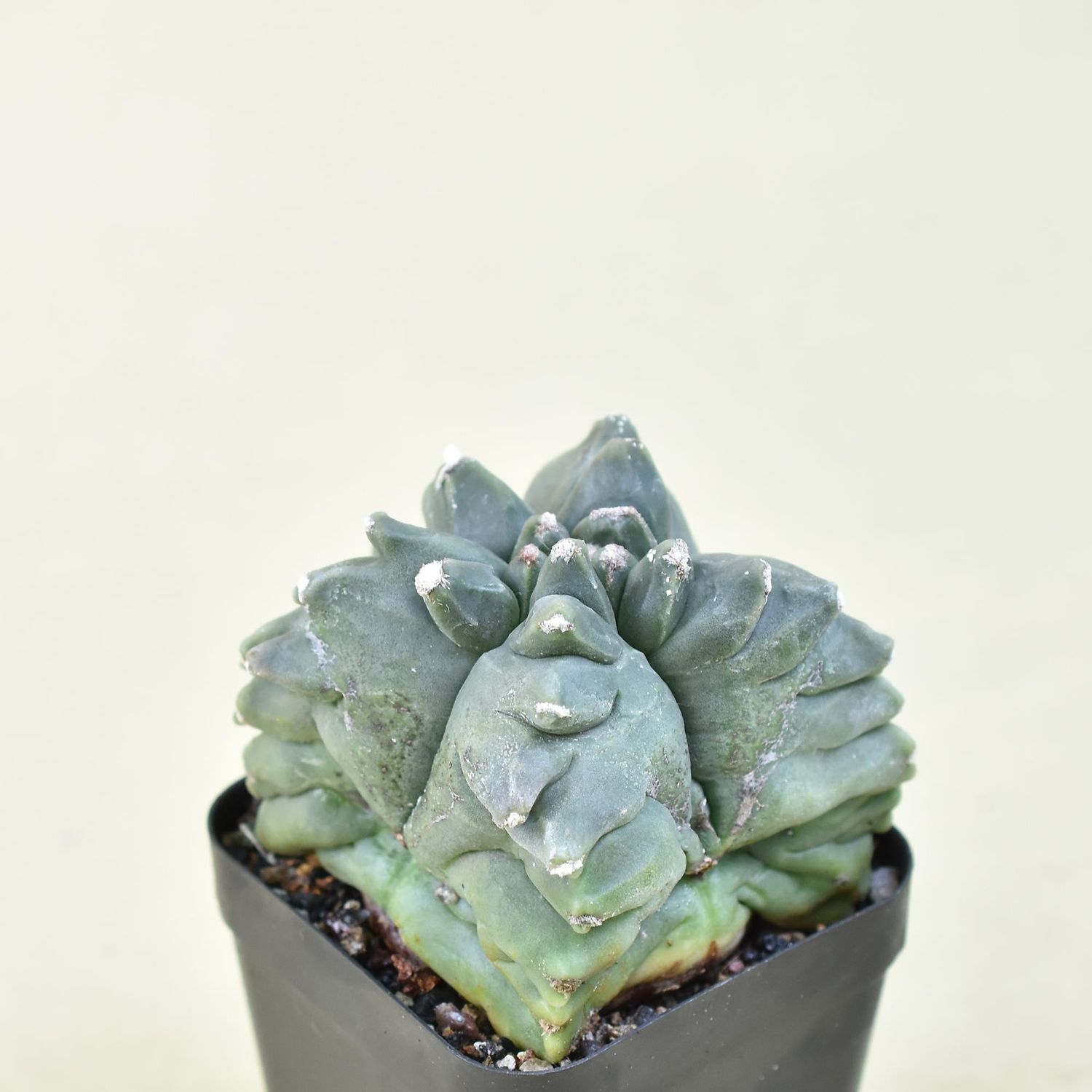
Astrophytum Myriostigma cv Kikko
Product Details
Geometric Masterpiece: Astrophytum myriostigma cv. Kikko
A high-end Japanese selection prized for its architectural symmetry and tortoise-shell rib structure.
- Origin & History of Name The genus name Astrophytum is derived from the Greek astron (star) and phyton (plant), referencing its celestial shape.
- Morphology Unlike the smooth ribs of the standard "Bishop’s Cap," the Kikko cultivar features deep, transverse incisions along the costae (ribs), creating a pointed, serrated profile. The epidermis is typically dark green but densely populated with white, tufted scales. It is a spineless cactus, focusing its aesthetic value on its rigid, pentagonal geometry and the prominent areoles located at the tips of the "sawtooth" notches.
- Habitat & Origin This is an anthropogenic cultivar, not found in the wild. While the parent species originates from the Chihuahuan Desert in Mexico, the "Kikko" mutation was stabilized and refined by Japanese master breeders. As a lab-cultivated variety, it is a sustainable choice for collectors, ensuring no wild populations are poached for trade.
- Cultivation Profile (Indian Context)
- Substrate: A strictly mineral-based mix is essential. Use a ratio of 70% inorganic material (pumice, perlite, or crushed brick) and 30% organic matter to ensure rapid drainage during the monsoon.
- Light: Requires bright, indirect sunlight. In the Indian subcontinent, 30%–50% shade cloth is recommended during peak summer (April–June) to prevent epidermal scorching.
- Water/Dormancy: Follow a "soak and dry" cycle during the growing season. Maintain strict winter dormancy (November–February) by withholding water entirely; high humidity in coastal regions like Mumbai or Chennai requires increased airflow to prevent fungal rot.
- Scientific/Historical Anecdote The Astrophytum genus was first described by Charles Lemaire in 1839.
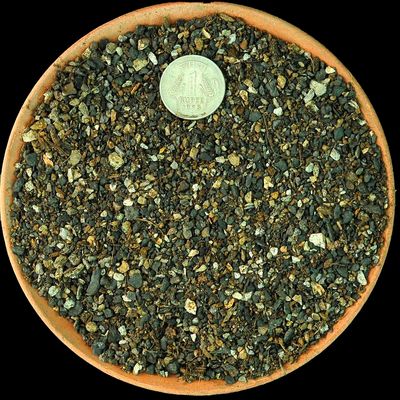
Cactus Seed Planting Mix
Cactus Seed Planting Mix
Sterile, Fine-Grain Media for Cactus & Succulent Seeds
SKU MNS005
₹70.51
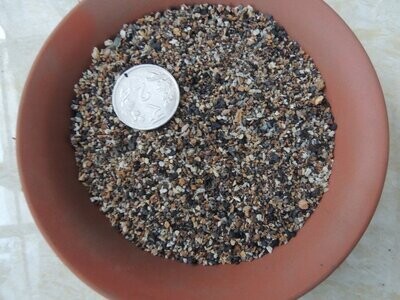
Cactus & Succulent Planting Mix FINE (aka Cactus Soil Mix or Succulent Soil Mix)
Cactus & Succulent Planting Mix FINE (aka Cactus Soil Mix or Succulent Soil Mix)
Fine-Grain Potting Mix for Cactus & Succulent Roots
SKU MNS001
₹35.51
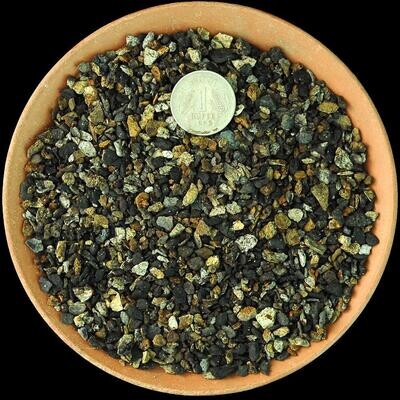
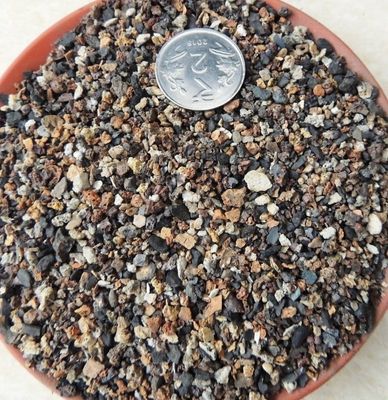
Cactus & Succulent Planting Mix COARSE (aka Cactus Soil Mix or Succulent Soil Mix)
Cactus & Succulent Planting Mix COARSE (aka Cactus Soil Mix or Succulent Soil Mix)
Washed, Free-Draining Mineral Mix for Cactus & Succulents
SKU MNS003
₹40.51