

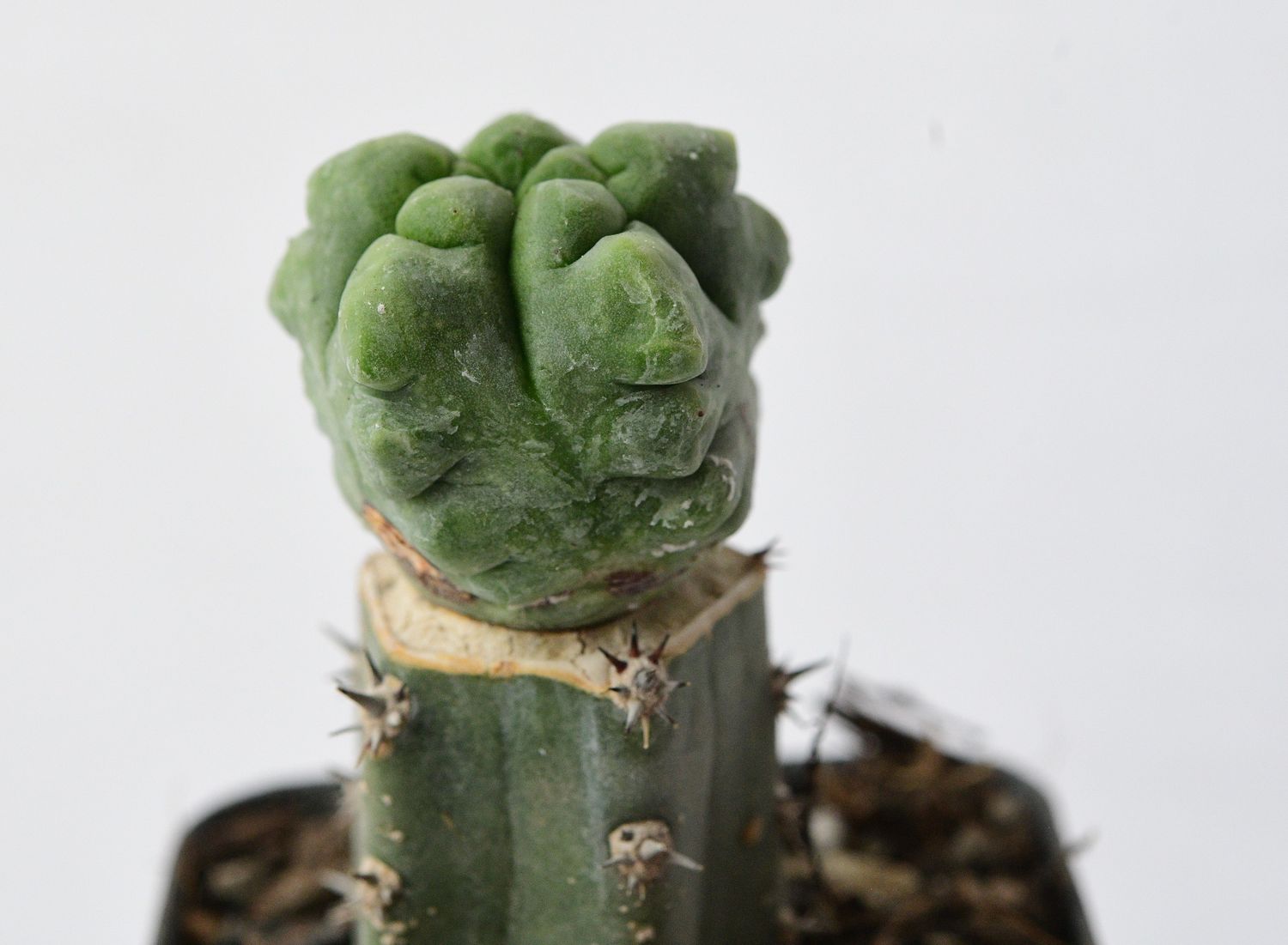
Astrophytum myriostigma Cv Kikko Ball Type Monstrose
Product Details
Geometric Masterpiece: Astrophytum myriostigma cv. Kikko Ball Type Monstrose
A premier architectural specimen featuring the rare 'tortoise shell' phyllotaxis sought by high-end succulent collectors.
- Origin & History of Name: The genus name Astrophytum stems from the Greek astron (star) and phyton (plant). The specific epithet myriostigma refers to the "myriad of spots" (stigma) covering the skin. "Kikko" is a Japanese term meaning "tortoise shell," a name given by Japanese master breeders who first stabilized this geometric mutation, while "Ball Type Monstrose" denotes its distinct spherical, non-columnar growth habit and abnormal structural development.
- Morphology: This cultivar is distinguished by its "Kikko" trait—prominent, pointed tubercles that break the traditional smooth ribs (costae) into a jagged, hexagonal pattern. The epidermis is typically "nudum" (lacking the usual white flecks) or lightly flocked, revealing a deep glaucous green. As a "Ball Type," it maintains a compressed, globose form, while the "Monstrose" classification indicates the irregular, sculptural way the areoles and ribs interact to create its unique texture.
- Habitat & Origin: This is a highly refined Japanese cultivar (cv.) and does not exist in the wild. While the base species is native to the Chihuahuan Desert in Mexico, this specific mutation was developed through generations of selective breeding in Japan. Cultivated specimens ensure sustainability by removing the pressure of illegal poaching from wild Astrophytum populations.
- Cultivation Profile:
- Substrate: Use a strictly mineral-based mix (70% crushed lava, pumice, or akadama) with 30% organic matter to ensure rapid drainage.
- Light: Requires bright, indirect sunlight. In the intense Indian summer, provide 30-50% shade cloth to prevent epidermal scorching.
- Water/Dormancy: Follow a "soak and dry" method during the growing season (March–October). In the Indian monsoon, maintain absolute dryness to prevent root rot. Stop watering entirely during the cool winter dormancy.
- Scientific/Historical Anecdote: Astrophytum species were some of the first cacti to be heavily hybridized by Japanese horticulturists in the early 20th century. The "Kikko" mutation is particularly fascinating to botanists because it represents a shift in the plant's apical meristem—the growth center—causing the ribs to "zig-zag" into tubercles, a trait that is now genetically stabilized in these high-value cultivars.
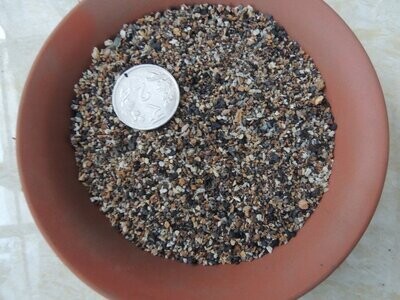
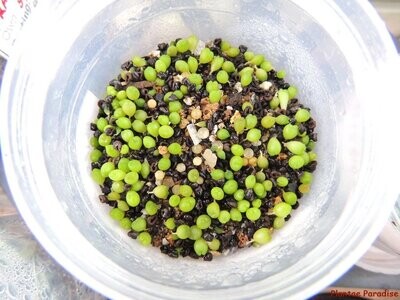
Cactus Seed Planting Mix
Cactus Seed Planting Mix
Sterile, Fine-Grain Media for Cactus & Succulent Seeds
SKU MNS005
₹74.85
New


Monsoon Guardian Kit (5 in 1)
Monsoon Guardian Kit (5 in 1)
Complete 5-in-1 biological protection kit for cacti & succulents
SKU MNS024
₹850.00
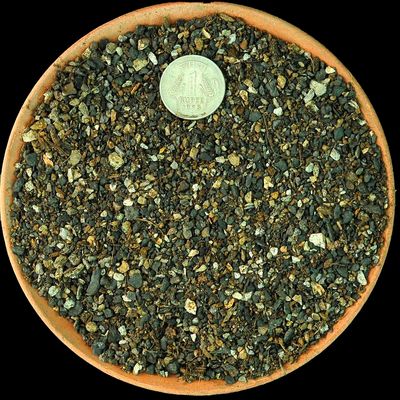
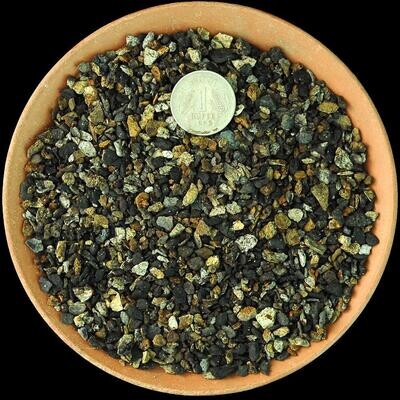
Cactus & Succulent Planting Mix COARSE (aka Cactus Soil Mix or Succulent Soil Mix)
Cactus & Succulent Planting Mix COARSE (aka Cactus Soil Mix or Succulent Soil Mix)
Washed, Free-Draining Mineral Mix for Cactus & Succulents
SKU MNS003
₹44.85