Architectural Rarity: Astrophytum myriostigma cv. Onzuka Quadricostatum
An elite Japanese cultivar prized for its geometrically perfect four-ribbed structure and intricate snowy-white epidermal patterns.
1. Origin & History of Name The genus name Astrophytum derives from the Greek astron (star) and phyton (plant), referring to the plant’s shape when viewed from above.
2. Morphology This distinct phenotypic variant presents a quadrate (square-shaped) columnar body with only four ribs (costae), rather than the typical five.
3. Habitat & Origin This plant is a horticultural cultivar and does not exist in the wild. It is a product of selective breeding originating in Japan, derived from mutations of the Mexican species Astrophytum myriostigma. All specimens are nursery-propagated, ensuring no impact on wild populations.
4. Cultivation Profile
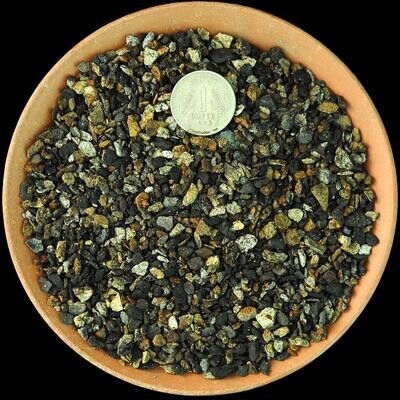
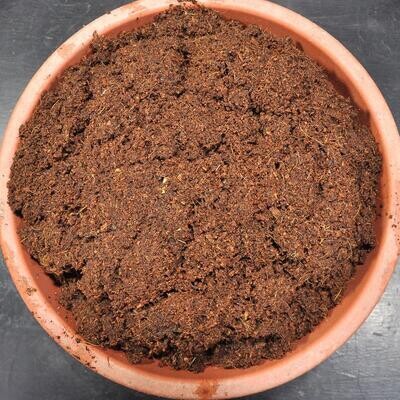
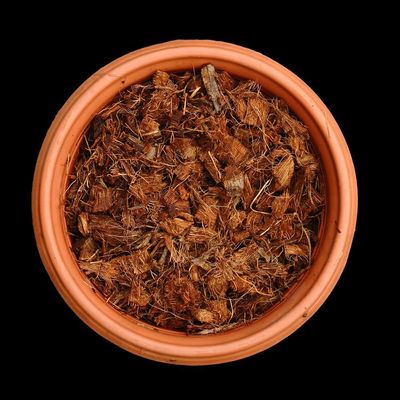
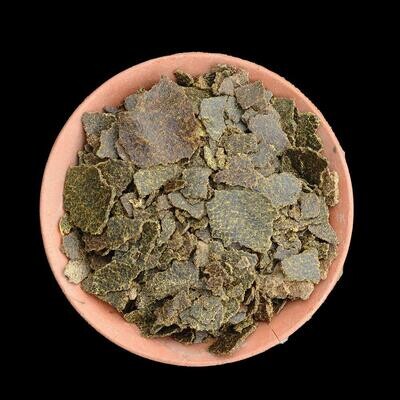
- Substrate: Requires a highly porous, mineral-heavy mix.
- Light: Needs bright, indirect light. In the Indian climate, provide full morning sun but use shade cloth or place in a semi-shaded area during the harsh midday sun (12 PM–4 PM) to avoid epidermal scorching.
- Water/Dormancy: Water thoroughly when the substrate is bone dry (approx. every 10–14 days in growing season). Crucial for India: Withhold water almost entirely during peak Monsoon humidity and winter dormancy (December–February).
5. Scientific/Historical Anecdote The 'Onzuka' strain was famously discovered by chance in 1974, not in the wild, but in a Japanese nursery tray. Mr. Onzuka noticed a single seedling with unusually intense white markings among thousands of standard myriostigma and spent decades stabilizing the gene, turning a genetic anomaly into one of the most prestigious cultivars in the cactus world.