The Triangular Masterpiece: Astrophytum myriostigma cv. Onzuka Tricostatum
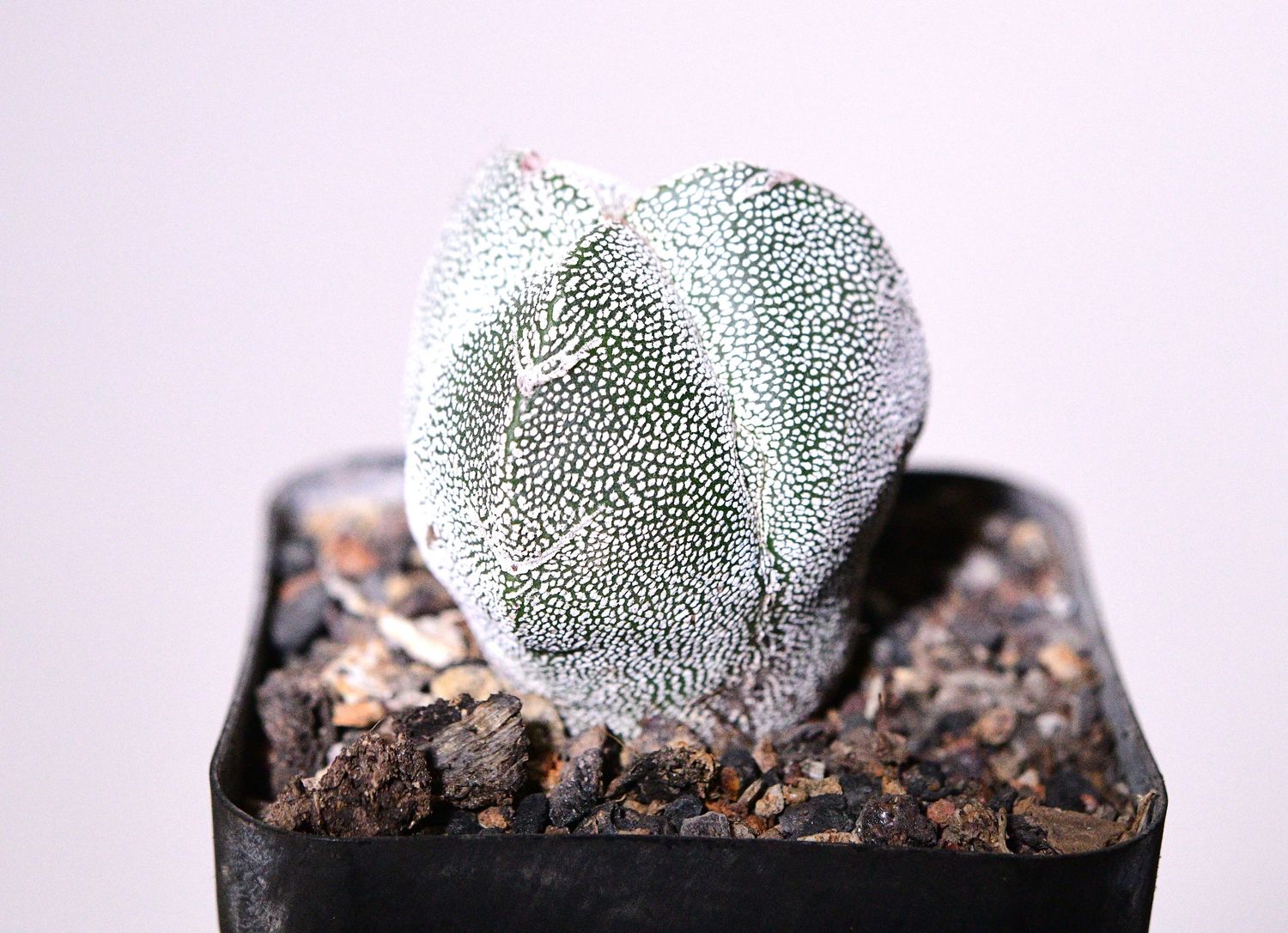
An exceptionally rare Japanese cultivar boasting a perfect three-ribbed geometry and intense white 'V' markings, making it an architectural centerpiece for serious collectors.
1. Origin & History of Name The genus name Astrophytum is derived from the Greek astron (star) and phyton (plant), referring to its star-like shape.
2. Morphology This specimen is defined by its triangular, columnar structure featuring exactly three prominent costae (ribs), a significant deviation from the standard five-ribbed star shape. The epidermis is densely encrusted with snowy-white trichomes (hairy scales) forming the characteristic 'Onzuka' patterns, which may appear as chevron-like bands or dense flocking. The plant is spineless, presenting a smooth, tactile, and highly geometric aesthetic.
3. Habitat & Origin This plant is a specialized horticultural cultivar originating from selective breeding programs in Japan; it does not exist in this form in the wild.
4. Cultivation Profile
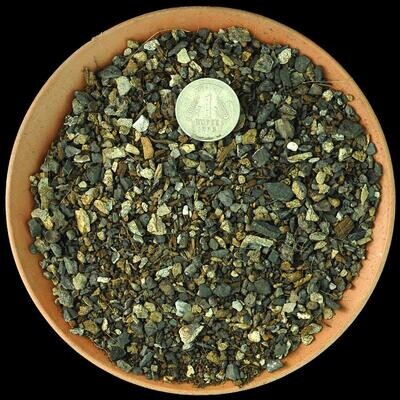
- Substrate: Use a strictly high-mineral mix (70-80% coarse river sand, pumice, or perlite) with minimal organic matter. Excellent drainage is non-negotiable to prevent root rot in humid conditions.
- Light: Requires bright, filtered sunlight. While it thrives in light, protect it from the direct, scorching midday sun typical of Indian summers (May-June) to preserve the white trichomes.
- Water/Dormancy: Water thoroughly only when the substrate is bone dry during the growing season (March–October). Crucial for India: Keep completely dry during winter and significantly reduce watering during the monsoon season, as high humidity combined with wet soil is fatal.
5. Scientific/Historical Anecdote The 'Tricostatum' mutation (three ribs) is biologically fascinating because Astrophytum seedlings often start with fewer ribs and increase them as they mature to maximize volume for water storage. A mature plant that retains only three ribs is effectively fighting its own biological programming, making stable adult Tricostatum specimens statistically unlikely and highly valued in the world of xerophytes.