

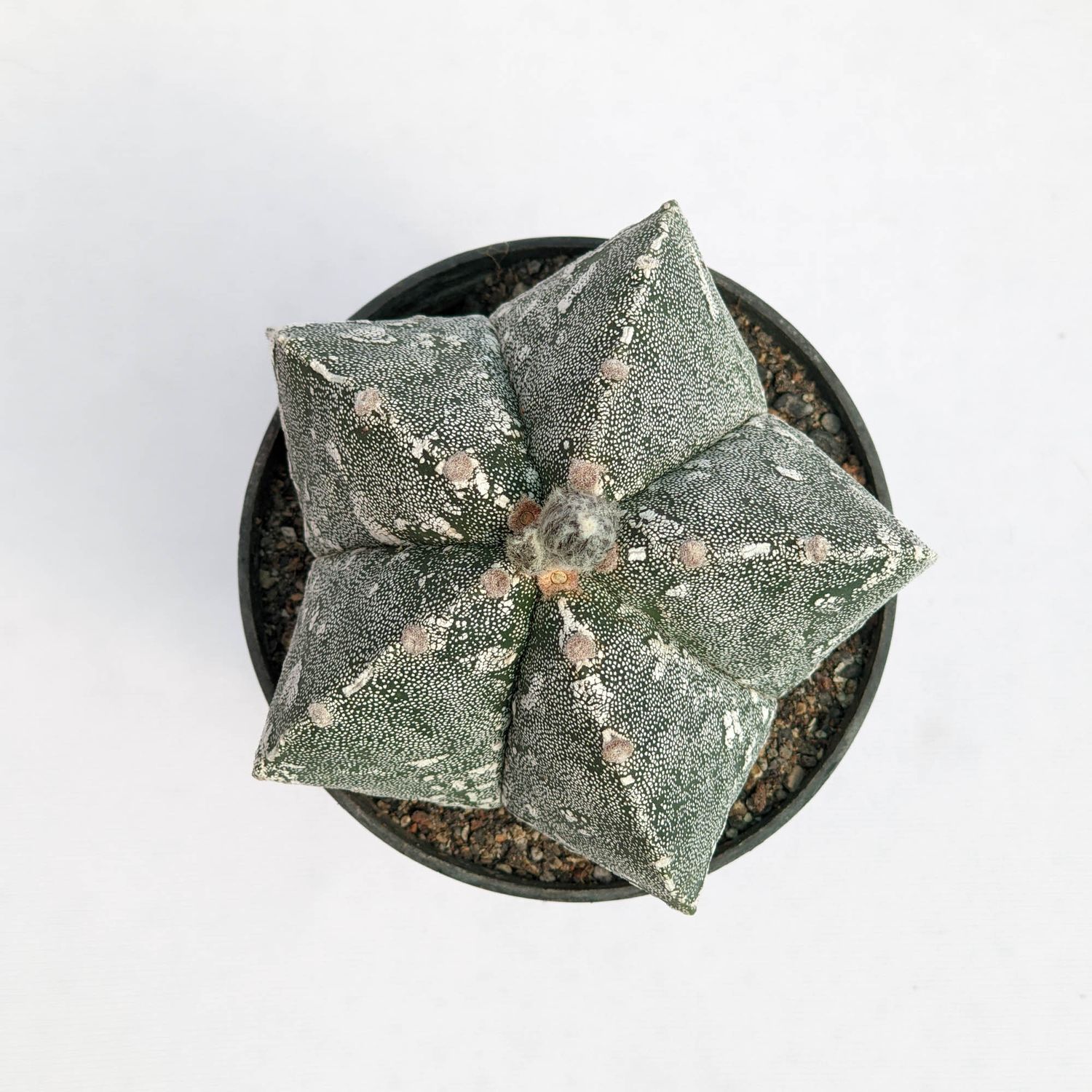
Astrophytum myriostigma HAKUUN
Product Details
Celestial Cloud: Astrophytum myriostigma ‘Hakuun’
A rare, cloud-patterned masterpiece prized by collectors for its unique woolly markings and spineless geometry.
- Origin & History of Name: The genus name Astrophytum is derived from the Greek astron (star) and phyton (plant).
- Morphology: This spineless cactus features a globose to columnar green epidermis characterized by 4 to 5 prominent, well-defined costae (ribs).
- Habitat & Origin: This is a specialized cultivar of Japanese origin, not found in the wild.
- Cultivation Profile:
- Substrate: Use a strictly mineral-based mix. In the Indian climate, a ratio of 70% inorganic material (pumice, perlite, or crushed brick) and 30% organic matter is ideal to prevent root rot during high humidity.
- Light: Requires bright, indirect sunlight.
- Water/Dormancy: Follow a "soak and dry" method. Water thoroughly when the medium is bone dry during the growing season. In the Indian monsoon and winter, significantly reduce watering as the plant enters dormancy; provide excellent ventilation to combat humidity-related fungal issues.
- Scientific/Historical Anecdote: The Astrophytum genus was first described by Charles Lemaire in 1839.
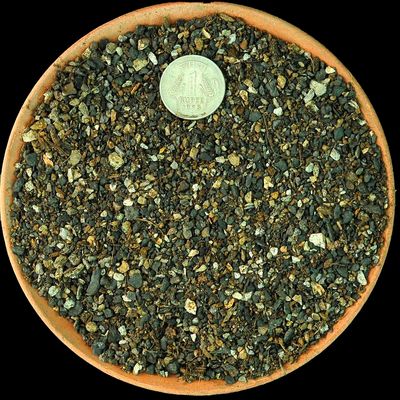
Cactus Seed Planting Mix
Cactus Seed Planting Mix
Sterile, Fine-Grain Media for Cactus & Succulent Seeds
SKU MNS005
₹74.85

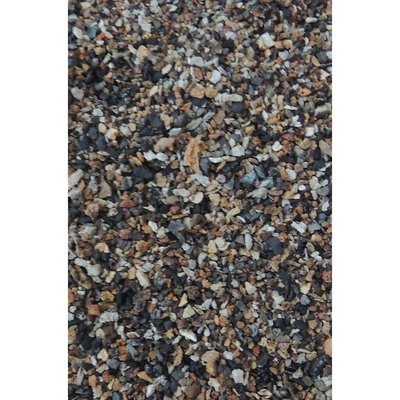
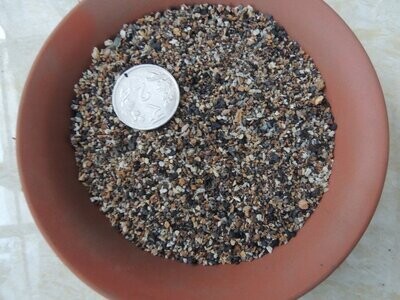
Cactus & Succulent Planting Mix FINE (aka Cactus Soil Mix or Succulent Soil Mix)
Cactus & Succulent Planting Mix FINE (aka Cactus Soil Mix or Succulent Soil Mix)
Fine-Grain Potting Mix for Cactus & Succulent Roots
SKU MNS001
₹39.85
New
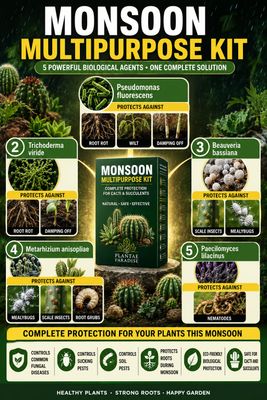
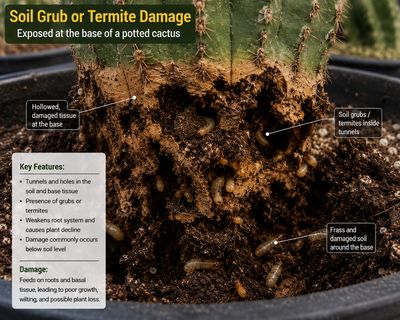
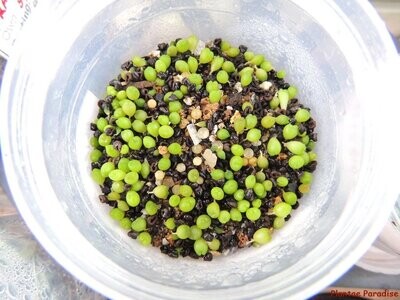
Monsoon Guardian Kit (5 in 1)
Monsoon Guardian Kit (5 in 1)
Complete 5-in-1 biological protection kit for cacti & succulents
SKU MNS024
₹850.00