

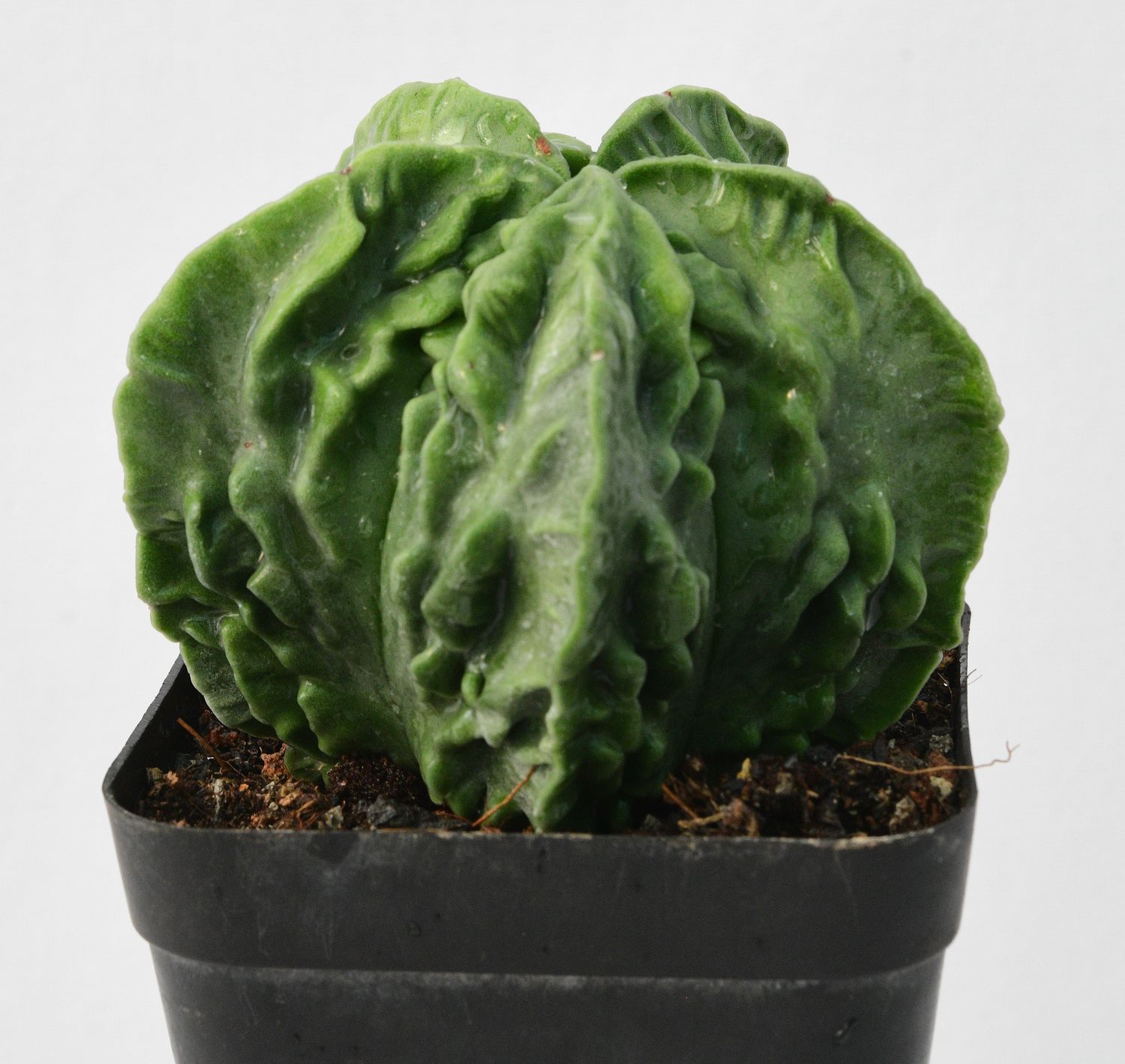
Astrophytum myriostigma Nudum Cv. Fukuryu
Product Details
Architectural Elegance: Astrophytum myriostigma nudum cv. 'Fukuryu'
A high-collector-demand cultivar prized for its structural complexity and the absence of traditional protective scales.
- Origin & History of Name The genus name Astrophytum is derived from the Greek astron (star) and phyton (plant).
- Morphology This specimen is a "nudum" form, meaning it lacks the white trichomes (felt-like scales) typically found on the genus, exposing a smooth, deep-green epidermis. Its primary characteristic is its polyphyletic ribbing; while standard Astrophytum have 5 distinct costae, 'Fukuryu' develops additional smaller, irregular ribs and "warts" along the surface. This creates a geometric, multi-faceted appearance that becomes more pronounced as the plant matures.
- Habitat & Origin The Astrophytum myriostigma species is native to the Chihuahuan Desert in Mexico.
- Cultivation Profile
- Substrate: Requires a strictly porous, mineral-based mix. In India’s humid regions, use 70% inorganic material (pumice, perlite, or crushed brick) and 30% organic matter to prevent root rot.
- Light: Thrives in bright, indirect sunlight. In the Indian subcontinent, protect from harsh afternoon sun (above 35°C) to prevent epidermis scorching, especially since the "nudum" form lacks protective scales.
- Water/Dormancy: Follow a "soak and dry" method during the summer and monsoon. Withhold water almost entirely during the cooler winter months (November–February) to respect its natural dormancy cycle.
- Scientific/Historical Anecdote The genus Astrophytum was first described by Charles Lemaire in 1839.
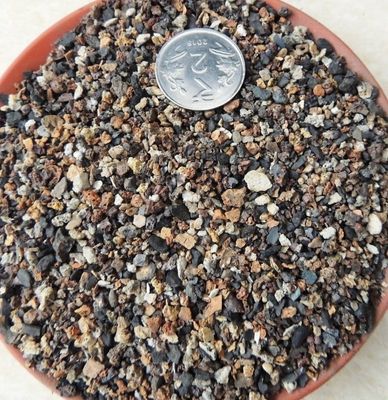
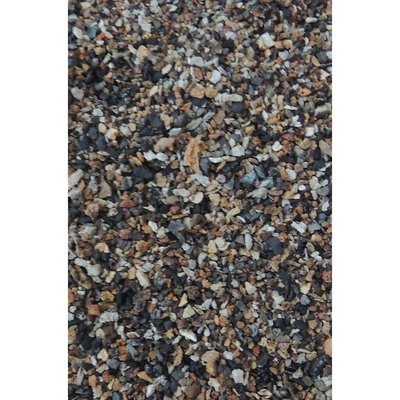
Cactus & Succulent Planting Mix FINE (aka Cactus Soil Mix or Succulent Soil Mix)
Cactus & Succulent Planting Mix FINE (aka Cactus Soil Mix or Succulent Soil Mix)
Fine-Grain Potting Mix for Cactus & Succulent Roots
SKU MNS001
₹39.85
New
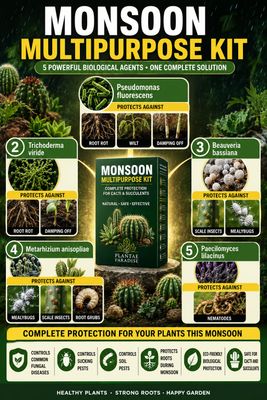
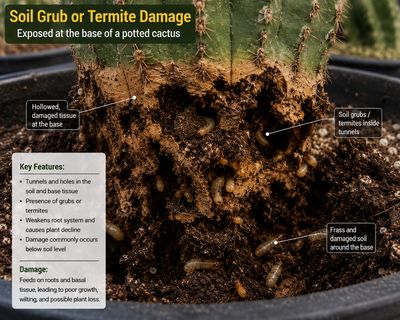
Monsoon Guardian Kit (5 in 1)
Monsoon Guardian Kit (5 in 1)
Complete 5-in-1 biological protection kit for cacti & succulents
SKU MNS024
₹850.00
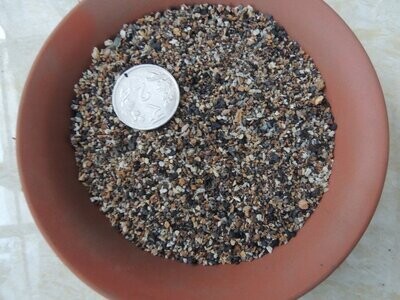
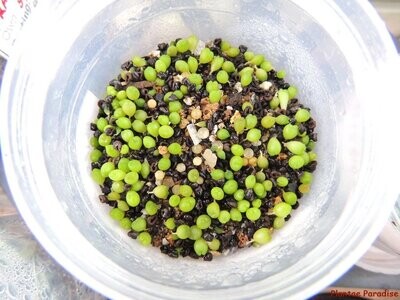
Cactus Seed Planting Mix
Cactus Seed Planting Mix
Sterile, Fine-Grain Media for Cactus & Succulent Seeds
SKU MNS005
₹74.85
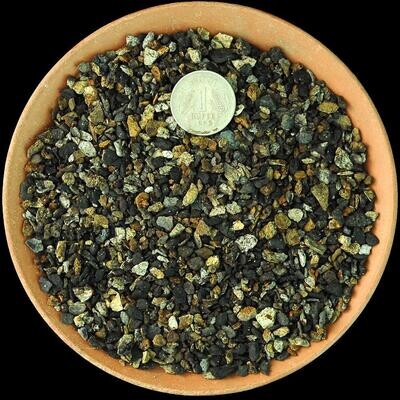
Cactus & Succulent Planting Mix COARSE (aka Cactus Soil Mix or Succulent Soil Mix)
Cactus & Succulent Planting Mix COARSE (aka Cactus Soil Mix or Succulent Soil Mix)
Washed, Free-Draining Mineral Mix for Cactus & Succulents
SKU MNS003
₹44.85