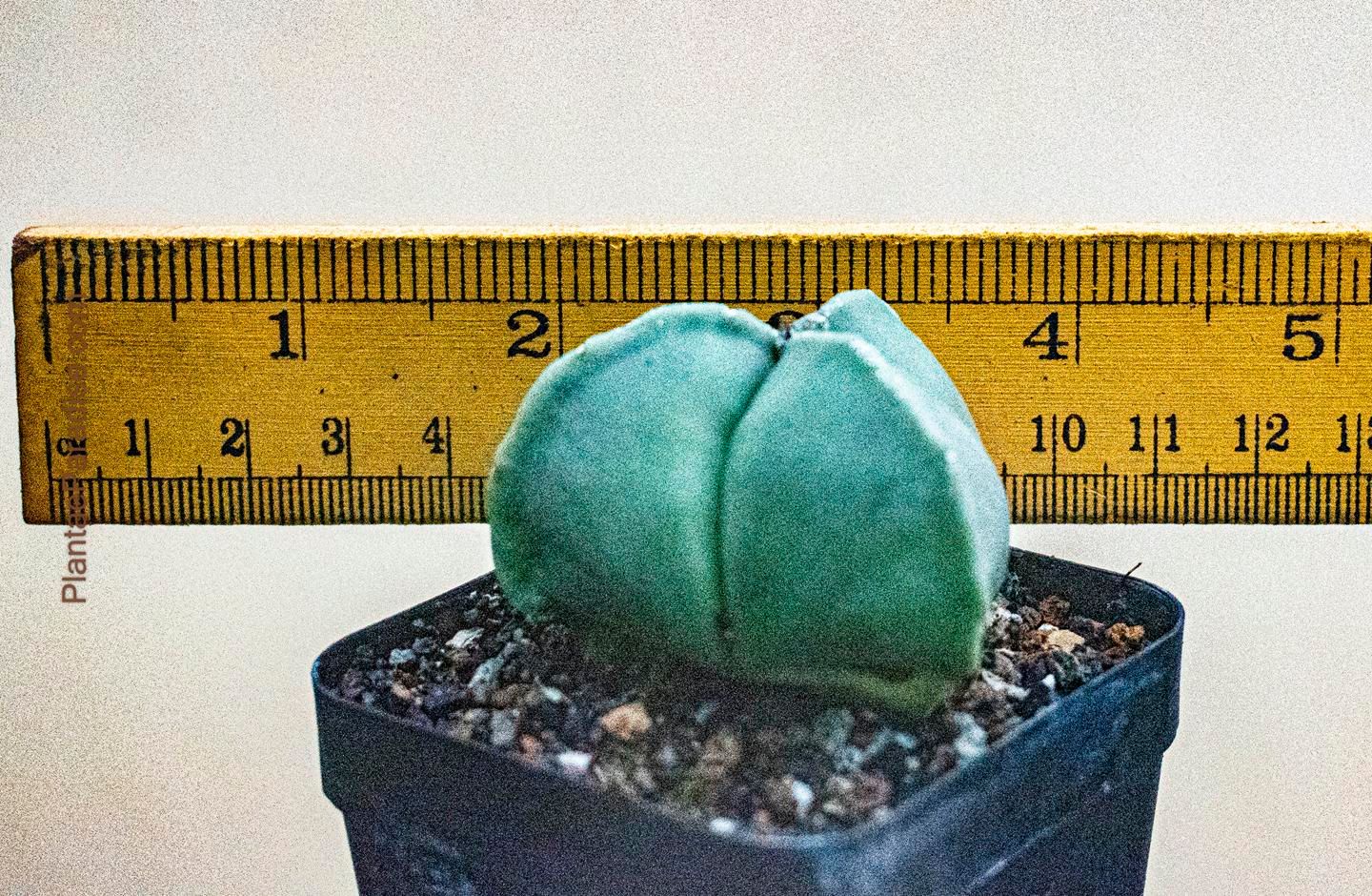
Large size and stable 3 ribs.
Astrophytum myriostigma 'Tricostatum': The Three-Ribbed Star of the Desert
1. Origin of Name:
The genus "Astrophytum" is derived from Greek roots: "astro" meaning "star" and "phyton" meaning "plant," referring to its characteristic star-like shape formed by radiating ribs. The species "myriostigma" combines Greek and Latin components: "myri-" meaning "thousand" (from Greek "myrias") and "stigma" meaning "mark" or "spot." Interestingly, in Latin, "nudum" means "naked" or "without spots or flecks," indicating that this species notably lacks the typical dot-like markings found on many cacti of this genus—highlighting its smooth, unblemished surface. The subspecies "Tricostatum" (Latin for "three-ribbed") refers to the plant’s distinctive feature of having exactly three prominent ribs, setting it apart from other forms with multiple ribs. This combination underscores its unique morphological traits—its smooth, unspotted surface and architectural rib structure.
2. Origin of Plant:
Native to the semi-arid regions of northeastern Mexico, particularly in the states of Nuevo León and Coahuila, Astrophytum myriostigma 'Tricostatum' thrives in rocky, sandy soils, usually on limestone slopes or open mesas. Discovered and described in the early 20th century by explorers and botanists studying Mexico’s desert flora, it has since become a prized collectible for cactus enthusiasts worldwide, admired for both its striking appearance and its resilience. Its natural habitat’s extreme conditions—high temperatures, intense sunlight, and droughts—have made it a symbol of survival and drought tolerance.
3. Description:
This remarkable cactus is distinguished by its three prominent, sharply defined ribs and a smooth, cylindrical to slightly globular shape. Its surface is pale green, often coated with a fine, white, powdery "glaucous" bloom—especially in the lighter, variegated forms—giving it a frosted appearance. In keeping with its name, 'nudum'—meaning "no spots or flecks"—it lacks the dense white dots or flecks seen on other Astrophytum species, making its surface sleek and unblemished. During spring and summer, it produces bright yellow flowers with orange centers, typically emerging at the top of the plant or along the ribs, adding a splash of color and bringing it to life. Its sleek, geometric form makes it an elegant focal point for modern succulent collections or minimalist decor, evoking celestial serenity.
4. Conservation Status:
This species is not currently listed as threatened or endangered. However, like many native succulents, habitat loss and illegal collection pose risks. Responsible cultivation, propagation, and awareness are crucial to preserve its wild populations and promote sustainable practices.
5. Care:
To ensure your Astrophytum myriostigma 'Tricostatum' remains healthy and vibrant:
- Watering: Sparse watering is key; allow the soil to dry out completely between watering. Reduce watering in winter.
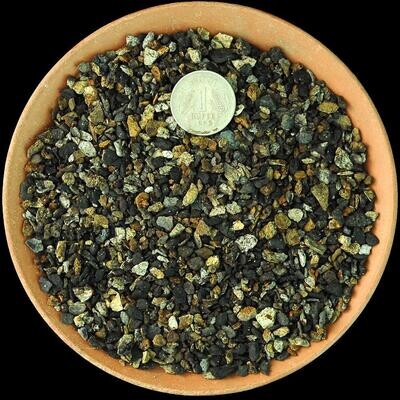
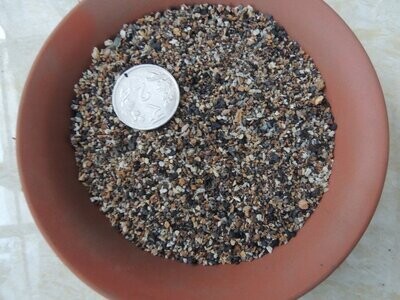
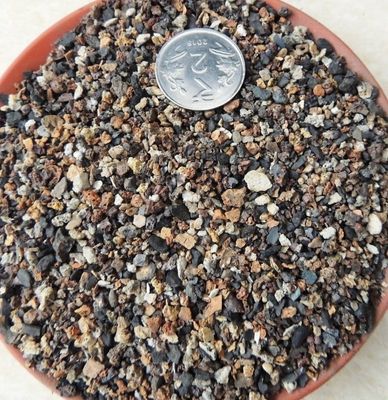
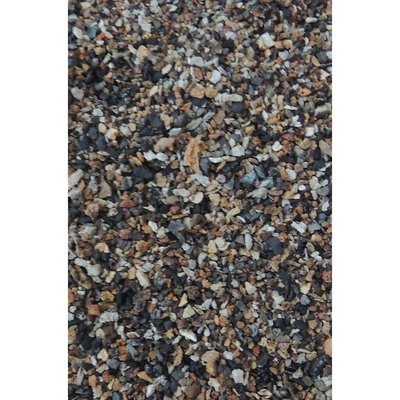
- Soil: Use a well-draining cactus or succulent mix with adding coarse sand, pumice, or crushed stone for an authentic rocky environment.
- Light: Requires full sun or very bright, direct sunlight—at least 4-6 hours daily—to develop its shape and coloration.
- Temperature: Prefers warm conditions, thriving between 65°F and 85°F (18°C - 29°C). Protect from frost—bring indoors or insulate during cold weather.
- Additional Tips: Fertilize lightly during the active growing months with a diluted cactus fertilizer. Handle with care—its ribs are sharp—and repot every 2-3 years to support healthy growth and soil renewal.
Interesting Botanical Fact:
Astrophytum myriostigma has enchanted botanists and collectors for over a century with its distinctive star-like form. Its smooth, unspotted surface—nudum, meaning “naked”—sets it apart from many of its speckled relatives, symbolizing purity and celestial clarity. Its resilience in harsh desert environments mimics stars that shine brightest in the dark, making it a perfect “celestial” centerpiece for any collection. As a plant that defines minimalist beauty with unblemished elegance, it continues to inspire admiration for its celestial origins and hardy spirit.