The Living Sculpture: Astrophytum myriostigma 'Onzuka' Crest
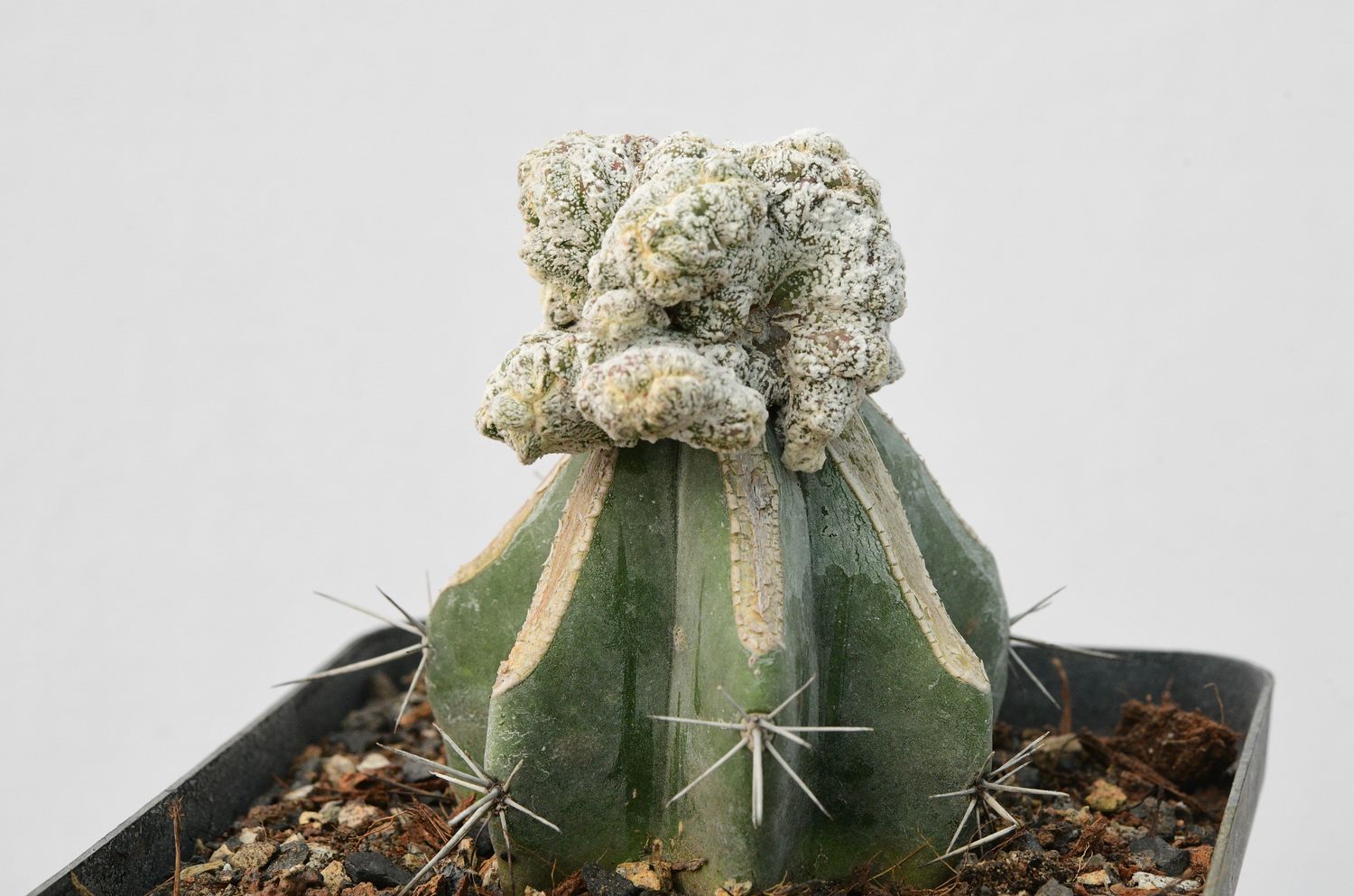
A highly coveted Japanese cultivar, this crested form transforms the classic star shape into a rare, snowy-white fan resembling terrestrial coral.
1. Origin & History of Name
The genus name Astrophytum derives from the Greek astron (star) and phyton (plant), referring to the star-like shape of the type species.
2. Morphology
This specimen exhibits fasciation, a mutation where the apical meristem (growing point) elongates into a line rather than a single point, causing the plant to fan out and fold upon itself like brain coral.
3. Habitat & Origin
This plant is a horticultural cultivar and does not exist in the wild. It is the result of selective breeding in Japan, derived from the Mexican species Astrophytum myriostigma (native to the Chihuahuan Desert). As a nursery-produced cultivar, it is an environmentally sustainable choice that does not impact wild populations.
4. Cultivation Profile (Indian Context)
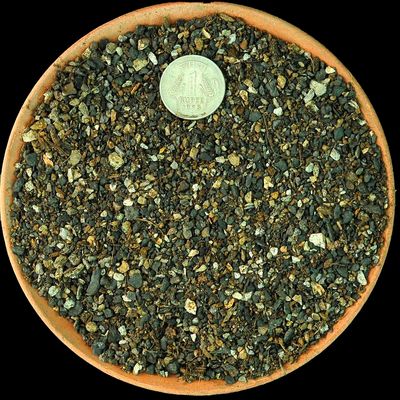
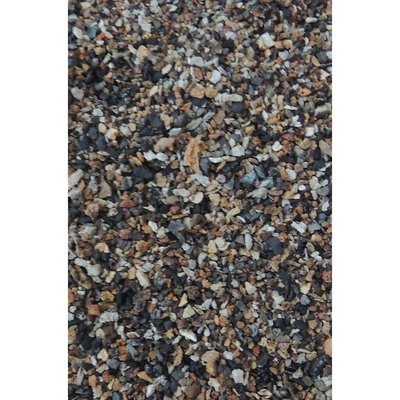
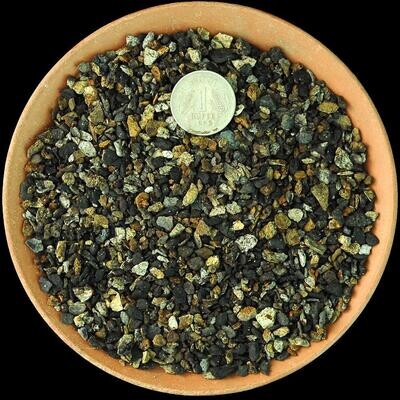
- Substrate: Requires a highly porous, mineral-based mix to prevent rot in humid conditions.
Use 70% inorganic material (pumice, perlite, gravel, or brick chips) and 30% sieved compost or garden soil. - Light: Thrives in bright, filtered sunlight. While it tolerates heat, avoid direct exposure to the harsh midday sun during the peak Indian summer (May–June) to prevent scorching the white markings.
- Water & Dormancy: Water thoroughly only when the substrate is completely dry. In the Indian climate, keep the plant strictly dry during the winter months (dormancy) and protect it from excessive moisture during the Monsoon season.