

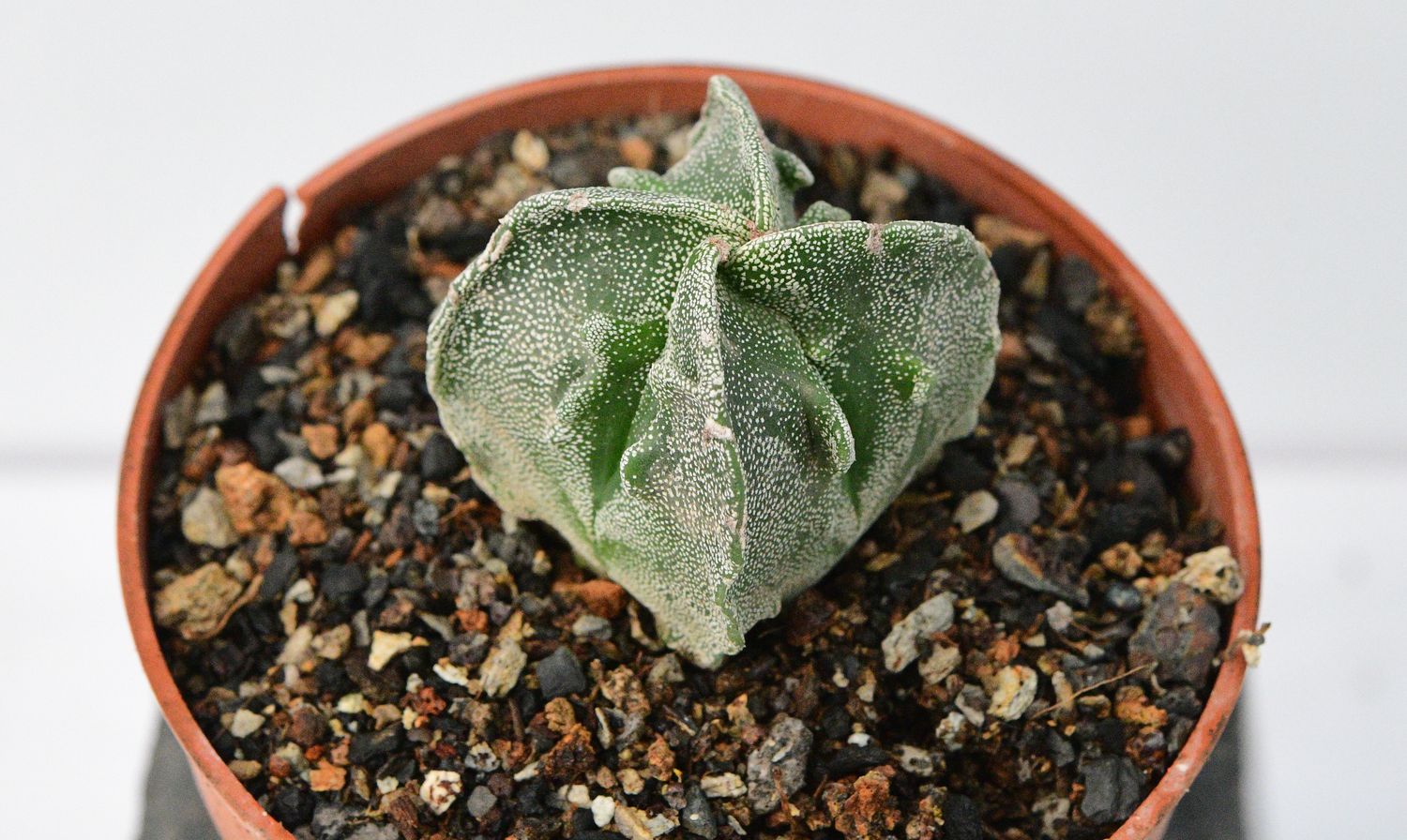
Astrophytum myriostigma Quadricostatum Fukuryu
Product Details
Architectural Marvel: Astrophytum myriostigma Quadricostatum Fukuryu
A geometric masterpiece for the connoisseur, blending the rare four-ribbed symmetry with the coveted "Fukuryu" textured protrusions.
- Origin & History of Name The genus name Astrophytum derives from the Greek astron (star) and phyton (plant).
The specific epithet myriostigma translates to "myriad dots," referring to the white trichome scales. Quadricostatum identifies the rare four-ribbed mutation (standard specimens have five), while Fukuryu is a Japanese horticultural term meaning "hidden dragon," describing the secondary ribs or "warts" that develop between the primary costae. - Morphology This cultivar is characterized by a globose, spineless epidermis densely covered in silver-white peltate scales. Unlike the standard species, it features exactly four sharp costae (ribs), giving it a square profile from above. The "Fukuryu" trait manifests as irregular ridges or bumps along the ribs, adding a rugged, topographical texture that becomes more pronounced as the plant matures.
- Habitat & Origin This is a man-made cultivar of Japanese origin, selectively bred from the wild Astrophytum myriostigma native to the Chihuahuan Desert in Mexico. All specimens are nursery-grown; we prioritize sustainability by offering only seed-grown or laboratory-propagated plants to protect wild populations from poaching.
- Cultivation Profile
- Substrate: Use a strictly mineral-based mix (70% grit/pumice/perlite, 30% organic matter). In the humid Indian climate, high porosity is essential to prevent root rot.
- Light: Provide bright, indirect sunlight or filtered 50% shade. In the Indian summer, avoid direct midday sun which can scorch the epidermis; a bright balcony or greenhouse is ideal.
- Water/Dormancy: Water deeply only when the medium is completely dry. During the monsoon and winter, withhold water almost entirely as the plant enters dormancy.
Ensure excellent ventilation to combat humidity-related fungal issues.
5. Scientific/Historical Anecdote The Astrophytum genus was first described by French botanist Charles Lemaire in 1839. Historically, the "Bishop’s Cap" (the common name for myriostigma) was so revered in early 20th-century European collections that it helped spark the "Cactus Craze," leading Japanese master-breeders to spend decades refining the specific rib counts and "Fukuryu" textures seen in this specimen today.



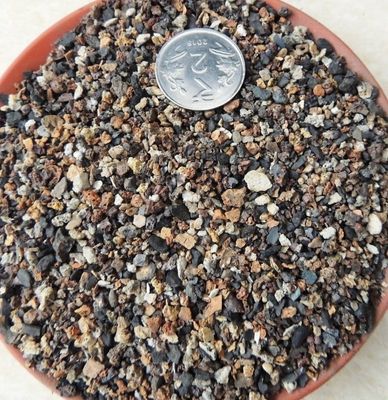
Cactus & Succulent Planting Mix COARSE (aka Cactus Soil Mix or Succulent Soil Mix)
Cactus & Succulent Planting Mix COARSE (aka Cactus Soil Mix or Succulent Soil Mix)
Washed, Free-Draining Mineral Mix for Cactus & Succulents
SKU MNS003
₹44.85
Cactus & Succulent Planting Mix FINE (aka Cactus Soil Mix or Succulent Soil Mix)
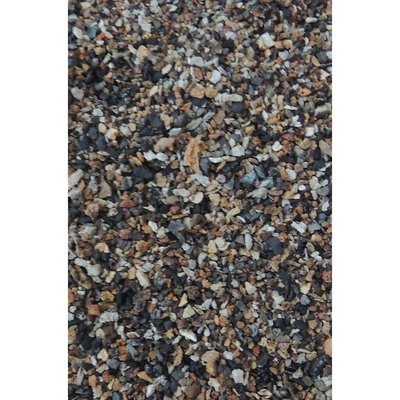
Cactus & Succulent Planting Mix FINE (aka Cactus Soil Mix or Succulent Soil Mix)
Fine-Grain Potting Mix for Cactus & Succulent Roots
SKU MNS001
₹39.85