

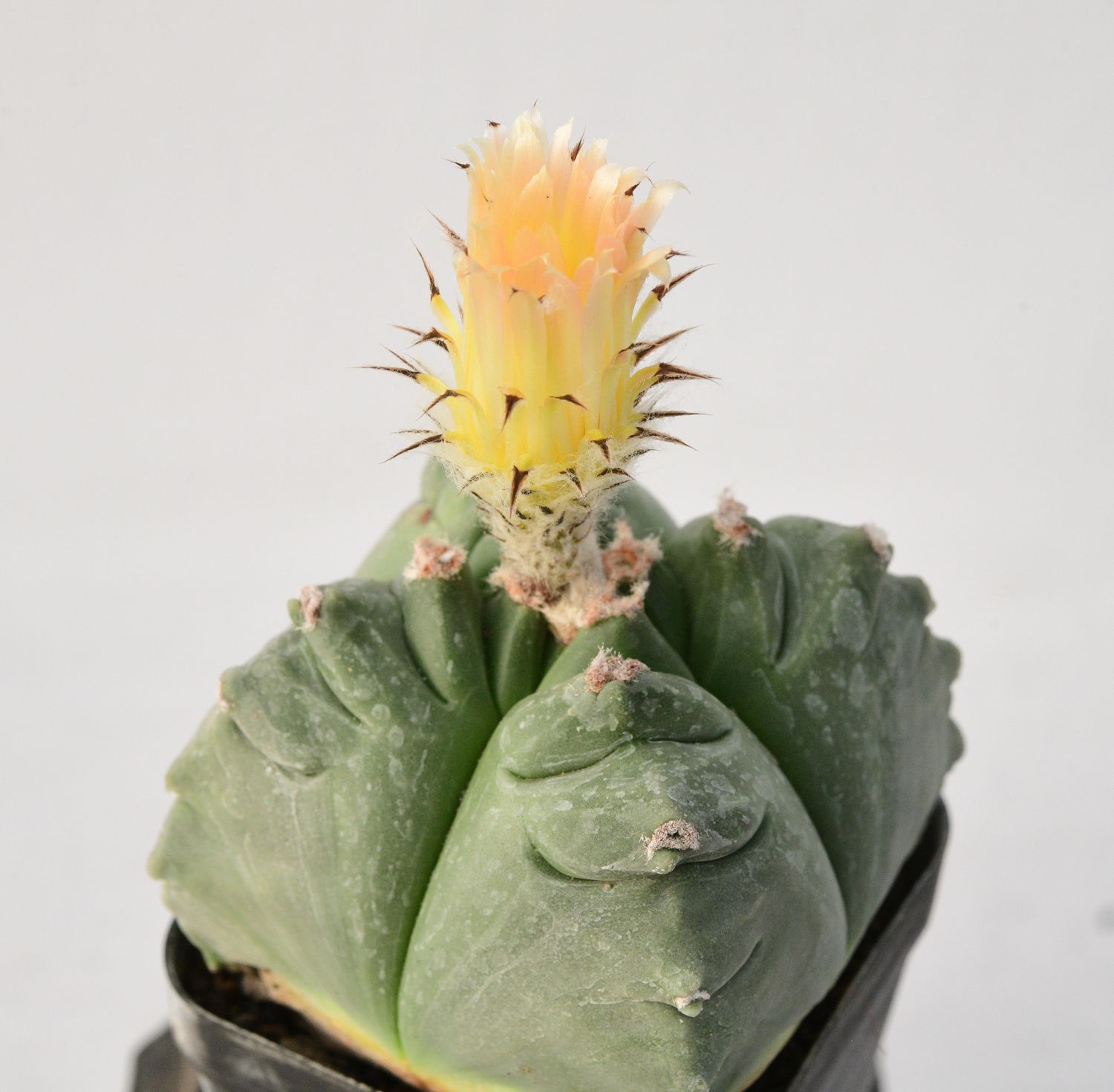
Astrophytum myriostigma Quadricostatum Kikko
Product Details
Geodesic Bishop's Cap: Astrophytum myriostigma 'Quadricostatum Kikko'
An unparalleled horticultural achievement, this Japanese cultivar transforms the classic Bishop's Cap into a geometrically sculpted masterpiece with its unique four-ribbed, turtle-shell morphology.
- Origin & History of Name: The genus Astrophytum is derived from the Greek astron (star) and phyton (plant), referring to its characteristic shape. The specific epithet myriostigma means "many-spotted" (from Greek myrios 'many' and stigma 'spot'), alluding to its white epidermal flocci. 'Quadricostatum' refers to the plant's distinct four ribs (Latin quadri 'four' and costatum 'ribbed'), a rare and prized mutation. 'Kikko' is a Japanese cultivar name, signifying a "turtle shell" or "geodesic dome" pattern, describing the heavily tuberculated, sculptured surface of its ribs.
- Morphology: This miniature, spineless cactus exhibits a solitary, depressed-globose to short-columnar body characterized by precisely four prominent, acute ribs. The 'Kikko' trait manifests as deeply undulating, pronounced tubercles and ridges along these ribs, creating a highly textured, almost tessellated surface resembling a turtle's carapace. The epidermis is typically dull green to grey-green, densely dotted with characteristic white, woolly flocci. Small, pale yellow flowers emerge from the plant's apex.
- Habitat & Origin: The species Astrophytum myriostigma is native to central Mexico, thriving in rocky, arid landscapes. The 'Quadricostatum' form is a naturally occurring genetic variant, while 'Kikko' is a stable horticultural cultivar developed through selective breeding in Japan. All commercial specimens are nursery-produced, ensuring sustainability and ethical sourcing.
- Cultivation Profile:
- Substrate: Requires an extremely well-draining, mineral-based mix (e.g., 80% pumice/grit, 20% organic matter) to prevent root rot.
- Light: Prefers bright, indirect light; good air circulation is crucial. Protect from intense, direct afternoon sun which can cause scorching.
- Water/Dormancy: Water deeply but sparingly during the spring and summer growing season, allowing the substrate to dry completely between waterings. Maintain absolute dryness during winter dormancy.
- Scientific/Historical Anecdote: Astrophytum myriostigma was one of the earliest Astrophytum species brought into cultivation, described by Lemaire in 1839. The deliberate development of 'Kikko' forms in Japan exemplifies the pinnacle of horticultural artistry, where subtle genetic mutations are meticulously selected and propagated over generations to create plants of extraordinary aesthetic value, transforming natural forms into living sculptures.

Cactus & Succulent Planting Mix COARSE (aka Cactus Soil Mix or Succulent Soil Mix)
Cactus & Succulent Planting Mix COARSE (aka Cactus Soil Mix or Succulent Soil Mix)
Washed, Free-Draining Mineral Mix for Cactus & Succulents
SKU MNS003
₹44.85
New
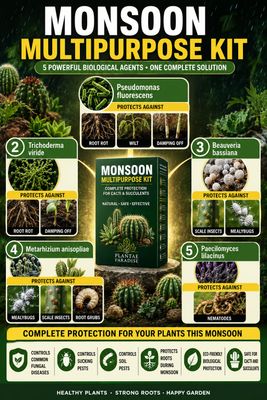
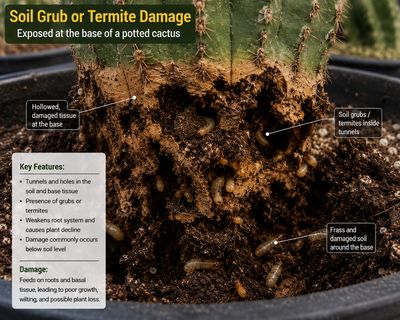
Monsoon Guardian Kit (5 in 1)
Monsoon Guardian Kit (5 in 1)
Complete 5-in-1 biological protection kit for cacti & succulents
SKU MNS024
₹850.00


Cactus Seed Planting Mix
Cactus Seed Planting Mix
Sterile, Fine-Grain Media for Cactus & Succulent Seeds
SKU MNS005
₹74.85
