Geometric Perfection: Astrophytum myriostigma 'Quadricostatum' Variegated
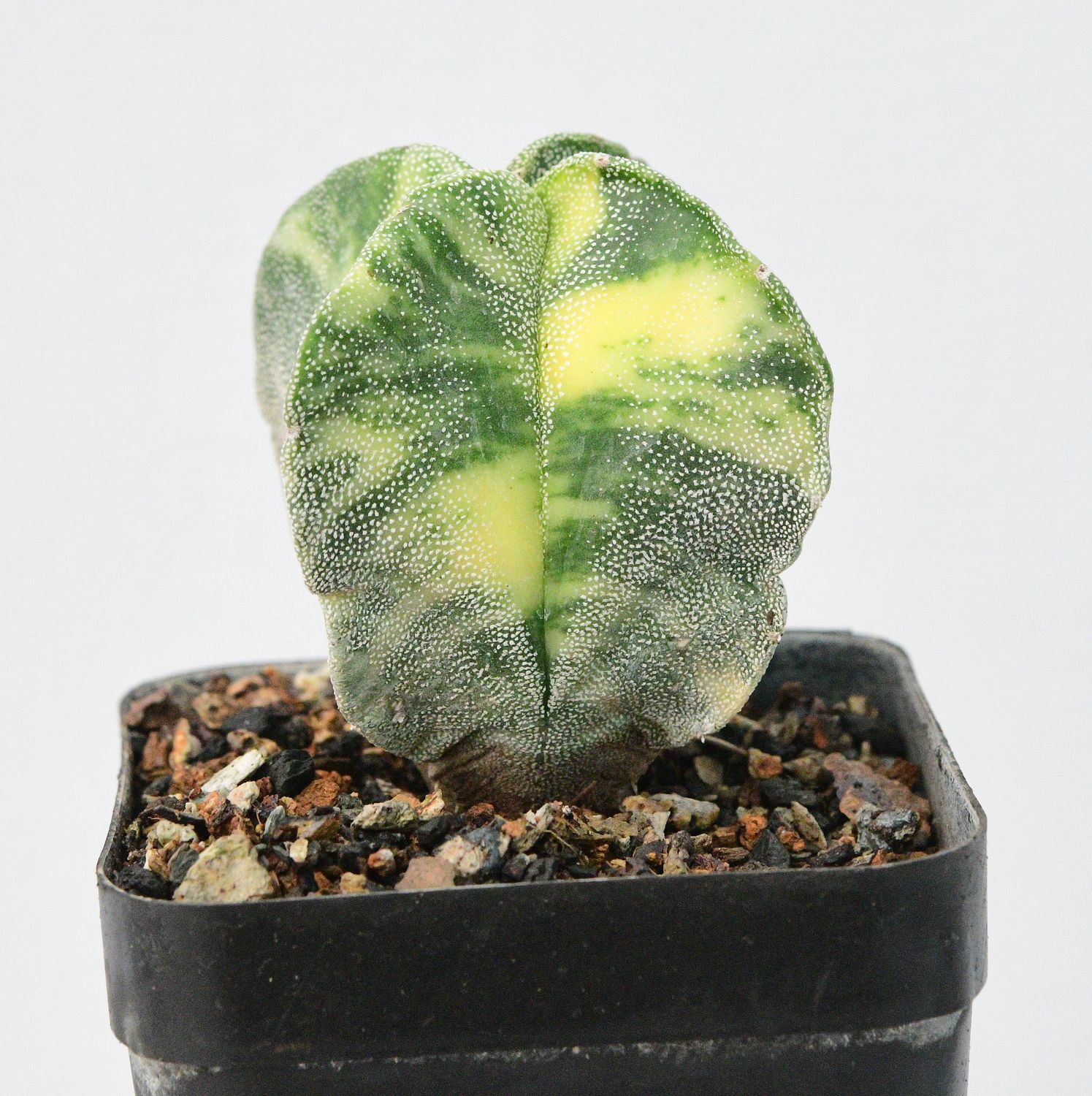
An architecturally distinct cultivar featuring a rare four-ribbed symmetry and striking chlorotic variegation, making it a centerpiece for serious collectors.
1. Origin & History of Name
The genus name Astrophytum is derived from the Greek astron (star) and phyton (plant), referring to its star-like shape when viewed from above.
2. Morphology
This specimen is characterized by a spineless, globular to columnar body with exactly four acute ribs, creating a perfect square cross-section.
3. Habitat & Origin
While the standard Astrophytum myriostigma is native to the highlands of northeastern and central Mexico (Chihuahuan Desert), this variegated 'Quadricostatum' form is a horticultural cultivar. It is the result of selective breeding and stabilization in a nursery environment to maintain the four-ribbed trait and variegation. These specimens are sustainably propagated and not harvested from the wild.
4. Cultivation Profile
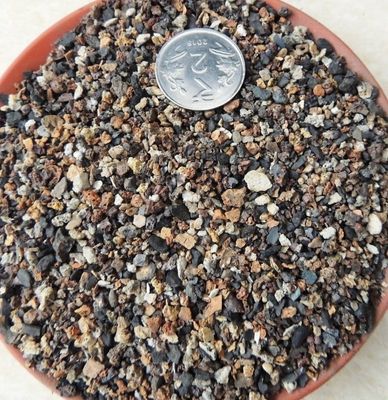
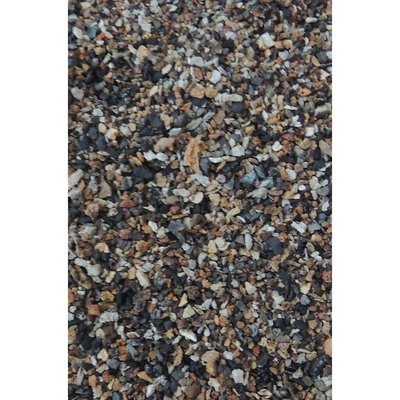
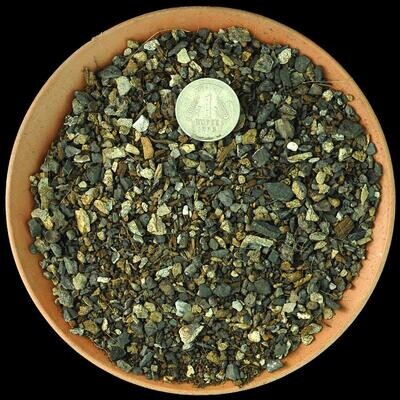
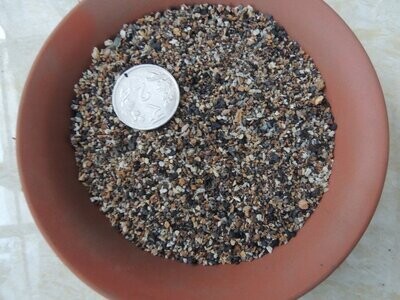
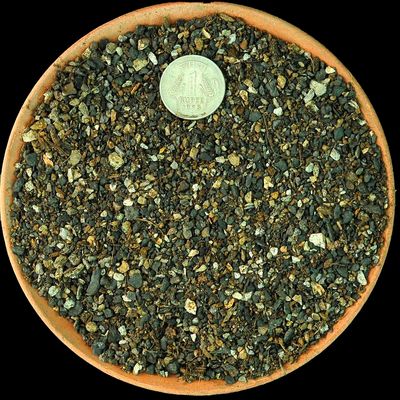
- Substrate: Requires a highly porous, mineral-dominant mix (70-80% grit, pumice, or akadama with minimal organic soil) to prevent root rot in Indian humidity.
- Light: Needs bright, filtered light. Unlike the non-variegated form, the yellow sectors lack chlorophyll and are prone to scorching under the direct midday sun of the Indian summer; use 30-40% shade cloth.
- Water & Dormancy: Employ the "soak and dry" method during the growing season (March–October). Keep completely dry during the Indian winter (November–February) to induce dormancy. Protect strictly from excess moisture during the Monsoon season.
5. Scientific Anecdote
The genus Astrophytum was first described by Charles Lemaire in 1839. The myriostigma species is often called the "Bishop's Cap" due to its resemblance to a bishop's mitre.