1. Origin of Name
The name Astrophytum ornatum is derived from the Greek words “astron” meaning “star” and “phyton” meaning “plant,” referring to the plant’s star-like shape when viewed from above. The species name “ornatum” comes from the Latin word for “adorned” or “decorated,” a nod to the plant’s striking, ornamental appearance.
This cactus was first described in 1828 by the renowned botanist Augustin Pyramus de Candolle, who was captivated by its unique star-shaped structure and the intricate patterns of white flecks that adorn its surface. Over the years, it has also been referred to by other names, such as Echinocactus ornatus, before being reclassified under the genus Astrophytum. The name choice reflects both its celestial shape and its aesthetic appeal, making it a favorite among cactus enthusiasts and collectors.
2. Origin of Plant
Astrophytum ornatum is native to the arid regions of central Mexico, particularly in the states of Hidalgo, Querétaro, and Guanajuato. It thrives in rocky, limestone-rich soils and is often found growing in harsh, sun-exposed environments where few other plants can survive.
This cactus was first discovered during the 19th century, a time when European explorers and botanists were actively documenting the flora of the Americas. Its ability to withstand extreme drought and its striking appearance quickly made it a sought-after specimen for botanical gardens and private collections. Today, it remains a symbol of resilience and beauty in the plant world.
3. Description
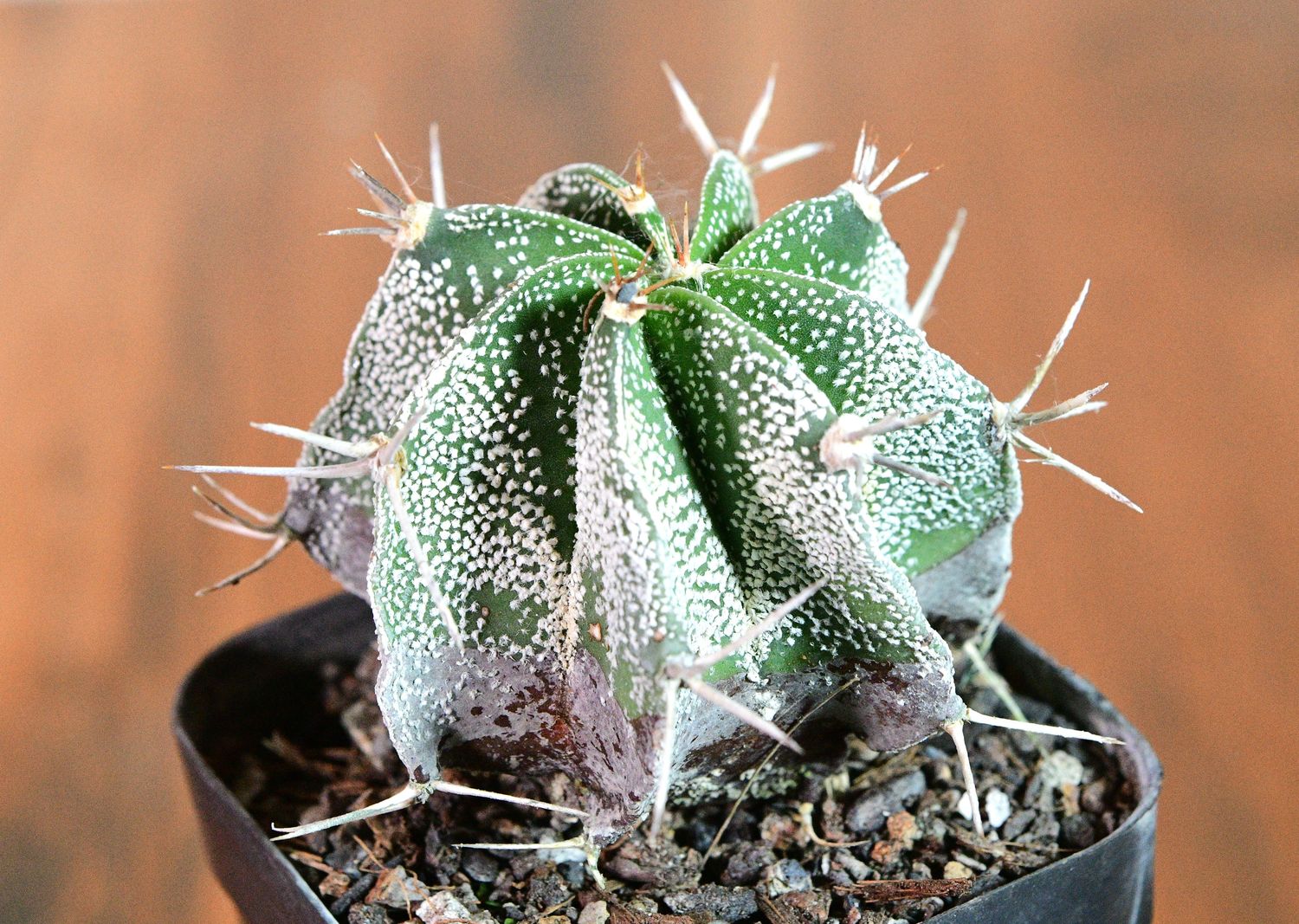
Astrophytum ornatum is a slow-growing, columnar cactus that can reach heights of up to 6 feet (1.8 meters) in its natural habitat, though it typically remains smaller when grown in cultivation. Its most distinctive feature is its star-shaped silhouette, with 5 to 8 prominent ribs that give it a geometric, almost sculptural appearance.
The plant’s surface is covered in tiny white flecks, which are actually clusters of woolly trichomes. These flecks not only add to its ornamental appeal but also help reflect sunlight, protecting the plant from excessive heat. In the wild, mature specimens may develop a golden-brown hue, adding to their visual charm.
During the summer months, Astrophytum ornatum produces large, bright yellow flowers that emerge from the crown of the plant. These flowers, which can measure up to 3 inches (7.5 cm) in diameter, are a stunning contrast to the cactus’s muted green and white tones. The blooms are short-lived but add a burst of color to this already captivating plant.
4. Conservation Status
Astrophytum ornatum is not currently listed as endangered or threatened, but like many cacti, it faces challenges due to habitat loss and illegal collection. In its native Mexico, efforts are being made to protect its natural habitats and promote sustainable cultivation practices.
As a responsible plant seller, we encourage our customers to source their plants from ethical growers who prioritize conservation and sustainability. By choosing cultivated specimens, you can enjoy the beauty of this cactus without contributing to the depletion of wild populations.
5. Care
Light: Astrophytum ornatum thrives in bright, direct sunlight. Place it in a south-facing window or outdoors in a sunny spot. However, if you’re moving it outdoors, acclimate it gradually to prevent sunburn.
Water: This cactus is highly drought-tolerant and prefers infrequent watering. Allow the soil to dry completely between waterings, and reduce watering during the winter months when the plant is dormant. Overwatering can lead to root rot, so err on the side of caution.
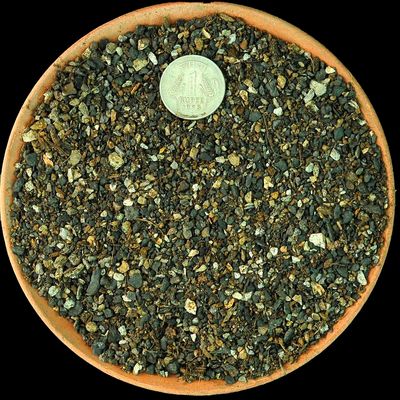
Soil: Use a well-draining cactus or succulent mix. Adding perlite or pumice can improve drainage and mimic the plant’s natural rocky habitat.
Temperature: Astrophytum ornatum prefers warm temperatures between 70°F and 90°F (21°C to 32°C) during the growing season. It can tolerate cooler temperatures down to 50°F (10°C) in winter but should be protected from frost.
Fertilizer: Feed sparingly with a balanced, diluted cactus fertilizer during the growing season (spring and summer). Avoid fertilizing in winter when the plant is dormant.
Tips: Rotate the plant occasionally to ensure even growth and prevent it from leaning toward the light. Handle with care, as the cactus’s spines can be sharp.
Interesting Anecdote
Did you know that Astrophytum ornatum was one of the first cacti to be introduced to Europe in the 19th century? Its unique appearance and ability to thrive in arid conditions made it a popular choice for Victorian-era collectors, who often displayed it in ornate glasshouses as a symbol of exotic beauty. Today, it continues to captivate plant lovers with its star-like form and timeless elegance.
Add a touch of celestial beauty to your home or garden with Astrophytum ornatum—a cactus that’s as resilient as it is stunning. Perfect for both novice and experienced plant enthusiasts, this star-shaped wonder is sure to be a conversation starter and a cherished addition to your collection.