

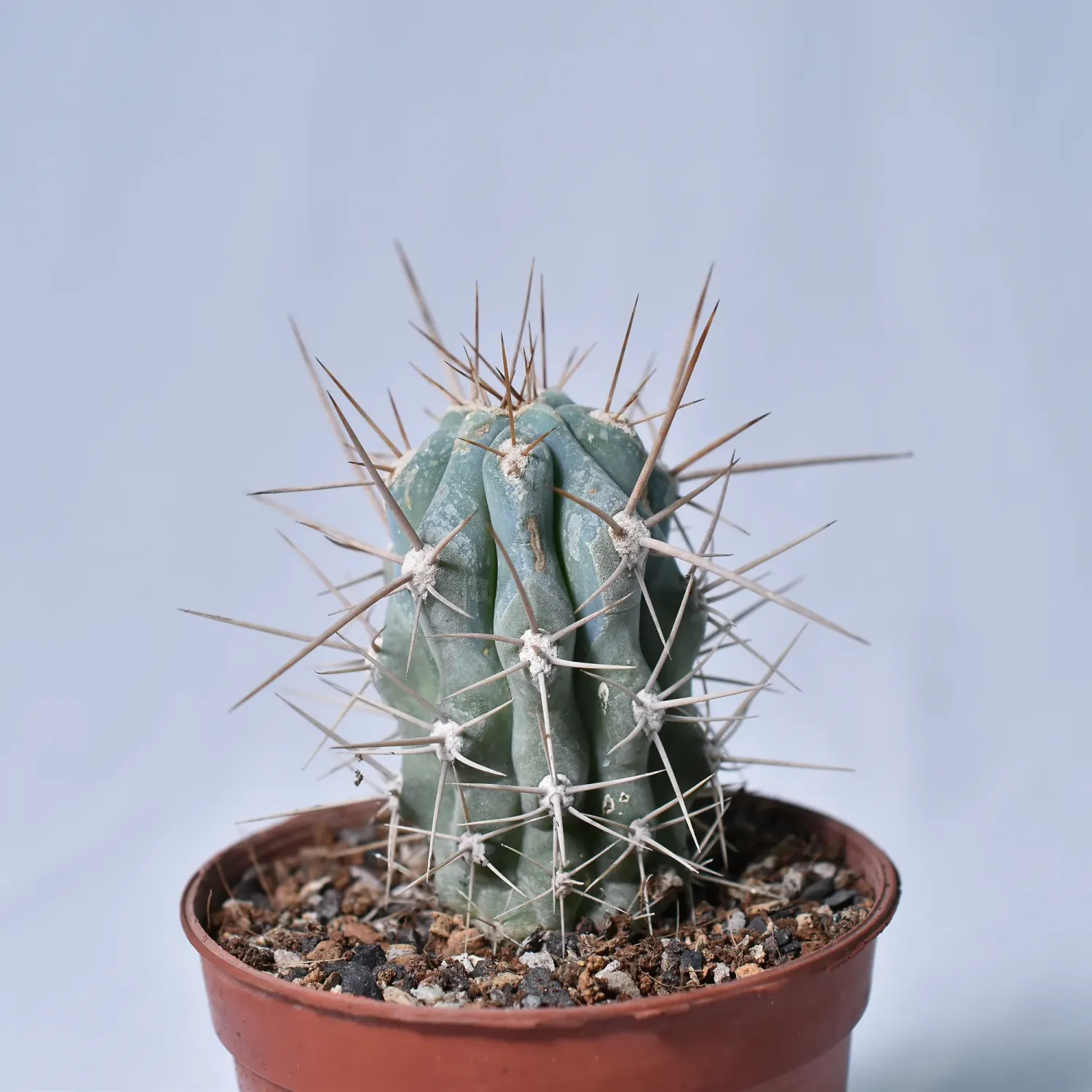
Azureocereus viridis
Product Details
Sculptural Cerulean: Azureocereus viridis
A rare, architectural gem prized by collectors for its mesmerizing blue-green skin and towering columnar presence.
- Origin & History of Name: The genus name Azureocereus is derived from the French azur (blue) and the Latin cereus (wax taper/torch), referencing the intense blue-hued epidermis and upright growth. The specific epithet viridis is Latin for "green," highlighting the plant’s transition from a powdery blue to a deep verdant hue as it matures. The genus was established by botanist Curt Backeberg in the mid-20th century to categorize these distinct Andean giants.
- Morphology: This columnar cactus features a waxy, glaucous epidermis that acts as a natural sunblock. It grows with prominent costae (ribs), typically 5 to 8, which are notched with areoles bearing short, golden-to-grey spines.
- Habitat & Origin: Azureocereus viridis is a wild species native to the high-altitude, arid valleys of the Peruvian Andes.
- Cultivation Profile:
- Substrate: Use a strictly mineral-based mix (60% grit/pumice, 40% coarse sand/perlite) with minimal organic matter to prevent root rot.
- Light: Requires full sun to bright indirect light.
- Water/Dormancy: Water deeply only when the medium is bone-dry. During the monsoon, withhold water entirely if humidity is high. In winter, enter a dry dormancy to mimic its Andean habitat.
- Scientific/Historical Anecdote: Taxonomically, the genus Azureocereus has been the subject of great debate; many modern botanists now fold it into the genus Browningia. However, enthusiasts maintain the original name to distinguish the "Azure" group's unique ability to produce high concentrations of epicuticular wax, which creates the sought-after "blue" aesthetic that is chemically similar to the bloom found on grapes or plums.
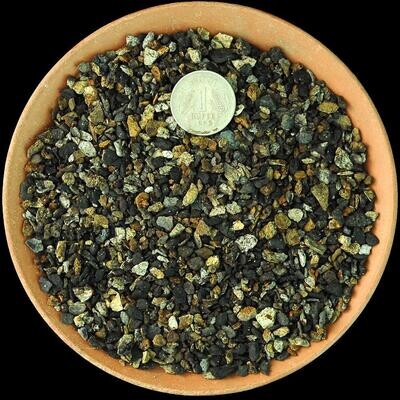
Cactus & Succulent Planting Mix COARSE (aka Cactus Soil Mix or Succulent Soil Mix)
Cactus & Succulent Planting Mix COARSE (aka Cactus Soil Mix or Succulent Soil Mix)
Washed, Free-Draining Mineral Mix for Cactus & Succulents
SKU MNS003
₹40.51
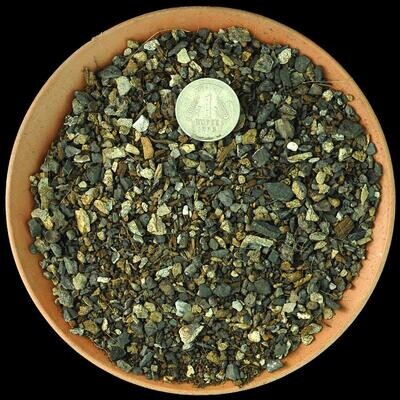
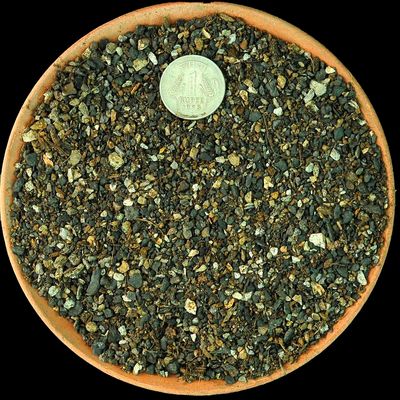

Cactus Seed Planting Mix
Cactus Seed Planting Mix
Sterile, Fine-Grain Media for Cactus & Succulent Seeds
SKU MNS005
₹70.51