Bowiea volubilis — The Climbing Onion / Sea Onion
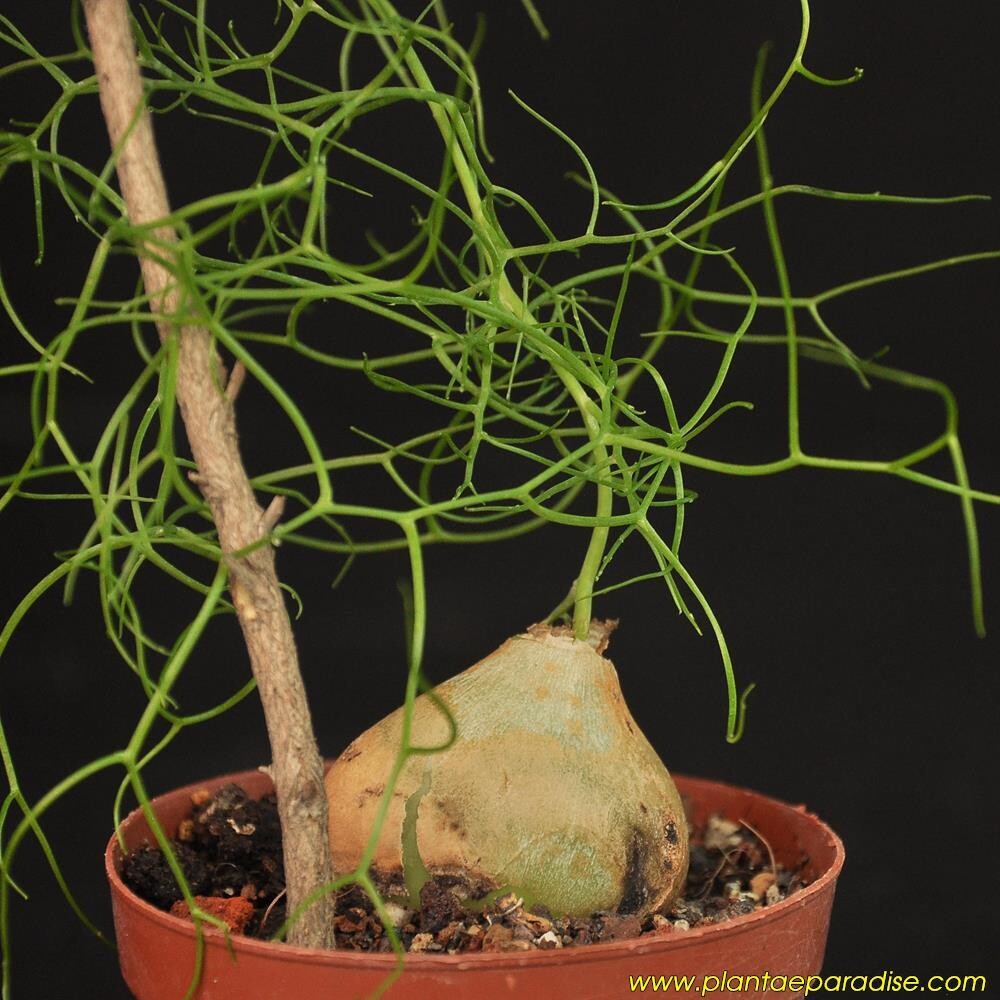
Bulb may be without creeper part depending upon season.
1. Origin of Name:
The genus Bowiea is named in honor of the Scottish botanist James Bowie, who contributed to the study of South African flora. The species volubilis comes from Latin, meaning "twisting," "rolling," or "climbing," referring to its vigorous, twisting, vine-like growth habit. Commonly known as the Climbing Onion or Sea Onion, its nicknames highlight its unique, bulbous appearance and its ability to climb or vine. The name emphasizes both its botanical roots—relating to its onion-like bulb—and its distinctive climbing or sprawling growth form.
2. Origin of Plant:
Native to South Africa, particularly in arid regions and semi-desert areas along the Cape Province, Bowiea volubilis has adapted to survive in rocky, dry environments. Its natural habitat consists of rocky slopes, cliffs, and valleys where it often climbs on bushes or surfaces for better exposure to sunlight. Discovered during early botanical explorations in southern Africa, this remarkable plant has been appreciated for centuries for its striking appearance and resilience. Its reputation as both a climbing and bulbous plant has made it a distinctive member of drought-tolerant gardens and collections.
3. Description:
This intriguing, perennial climber features a large, bulbous, onion-like base from which slender, wiry stems grow and coil, sometimes reaching over several feet in length. The stems are typically greenish, often with a slight bluish hue, and may produce small, star-shaped, white or pale yellow flowers in spring or summer. The plant’s “climbing” or “vining” habit makes it versatile—able to cascade from pots, climb trellises, or trail along surfaces. Its bulbous base, often with a slightly wrinkled or rough texture, resembles an onion or sea creature, adding a touch of exotic allure to any plant collection.
4. Conservation Status:
Bowiea volubilis is widely cultivated and propagated in cultivation and is not considered threatened or endangered. Its remarkable appearance and drought tolerance have helped sustain its popularity among succulent enthusiasts, ensuring responsible cultivation and conservation. Due to habitat loss in parts of its native range, conservation efforts focus on habitat protection, but cultivated specimens remain abundant and accessible.
5. Care:
- Watering: Extremely drought-tolerant; water sparingly. Allow the soil to dry out completely between waterings, especially during winter. Overwatering can cause bulb rot.
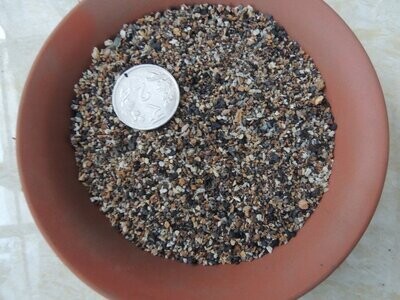
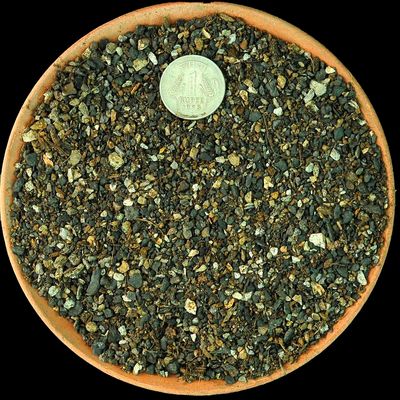
- Soil: Use a well-draining cactus or succulent mix, or a gritty, sandy substrate. Good drainage is essential to prevent root rot.
- Light: Prefers bright, direct sunlight or full sun for optimal growth and flowering. Indoors, place near a sunny window for best results.
- Temperature: Tolerates warm temperatures between 65°F and 85°F (18°C to 29°C). Protect from frost—bring indoors or provide cold protection in winter in colder climates.
- Additional Tips: This plant thrives in dry conditions; avoid excessive watering. Fertilize lightly with a cactus fertilizer during the growing season. Its dramatic form and unusual growth habit make it a conversation starter and a striking addition to any succulent or drought-tolerant garden.