

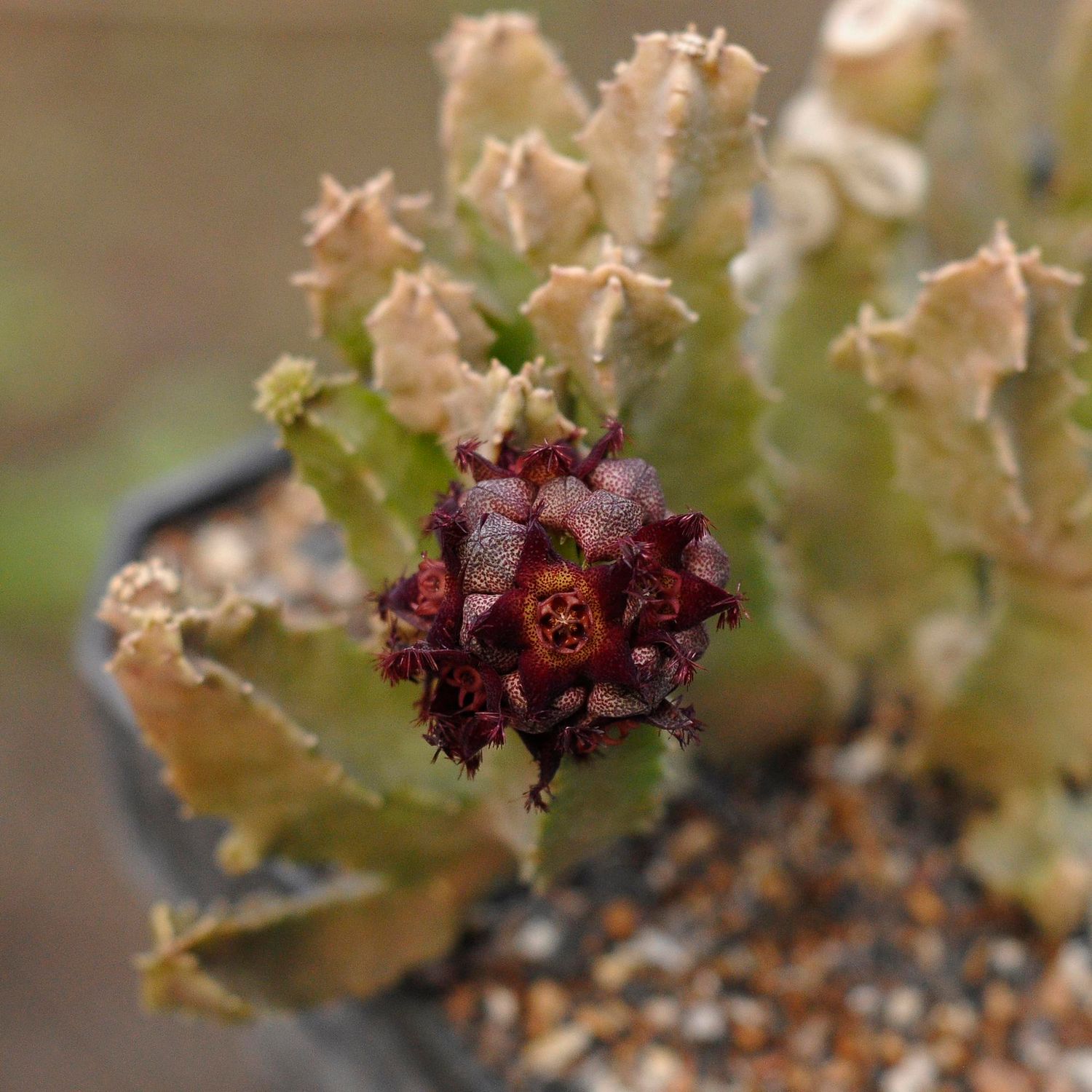
Caralluma foulcheri-delboscii var. greenbergiana
Product Details
Desert Jewel: Caralluma foulcheri-delboscii var. greenbergiana
An architectural rarity for the serious collector, featuring striking geometric stems and intricate, alien-like blooms.
- Origin & History of Name: The species name honors French botanist G. Foulcher-Delbosco, while the varietal name greenbergiana was established in 1987 by Darrel Plowes to honor Dr. Albert Greenberg. Greenberg was a renowned American nurseryman and succulent enthusiast whose work in the mid-20th century helped popularize many rare Asclepiads.
- Morphology: This succulent is characterized by 4-angled, upright stems with a glaucous epidermis (outer skin). It features prominent tubercle teeth along the costae (ribs), giving it a jagged, architectural silhouette. Its most distinct feature is the small, dark, star-shaped flowers that emerge in clusters, often appearing velvety or rugose in texture.
- Habitat & Origin: This is a wild variety native to the arid regions of the Yemen Arab Republic. These plants are sourced through ethical propagation from established nursery stock to ensure the conservation of wild populations in the Arabian Peninsula.
- Cultivation Profile:
- Substrate: Use a strictly mineral-based mix (60% grit/pumice, 20% coarse sand, 20% organic matter). In India’s humid zones, increasing the inorganic proportion is vital to prevent root rot.
- Light: Requires bright, indirect sunlight. While it can handle morning sun, the intense Indian afternoon heat (especially in April–June) requires 50% shade cloth to prevent scorching.
- Water/Dormancy: Water thoroughly when the substrate is completely dry during the growing season. In the monsoon, keep the plant protected from rain. Reduce watering significantly during the winter dormancy period to mimic its natural dry-habitat cycle.
- Scientific/Historical Anecdote: Members of the Caralluma genus are often referred to as "famine foods" in various cultures across Africa and the Middle East. While this specific variety is a prized ornamental, its cousins have been historically consumed by nomadic tribes to suppress hunger and thirst during long desert treks due to specific pregnane glycosides found in the plant tissue.
New

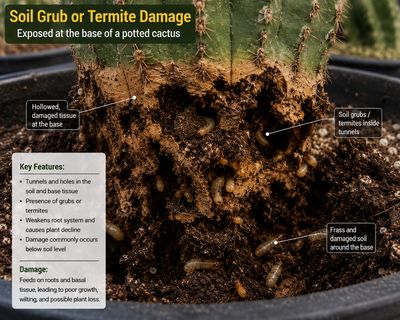
Monsoon Guardian Kit (5 in 1)
Monsoon Guardian Kit (5 in 1)
Complete 5-in-1 biological protection kit for cacti & succulents
SKU MNS024
₹850.00
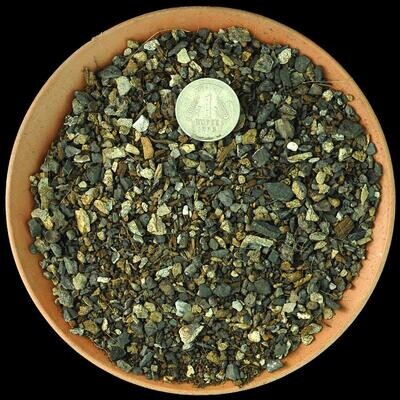
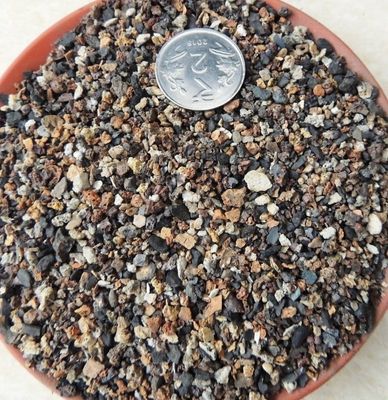
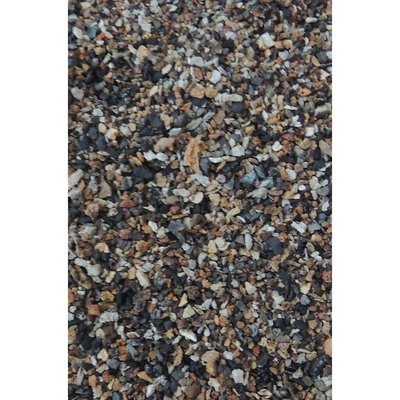
Cactus & Succulent Planting Mix FINE (aka Cactus Soil Mix or Succulent Soil Mix)
Cactus & Succulent Planting Mix FINE (aka Cactus Soil Mix or Succulent Soil Mix)
Fine-Grain Potting Mix for Cactus & Succulent Roots
SKU MNS001
₹39.85
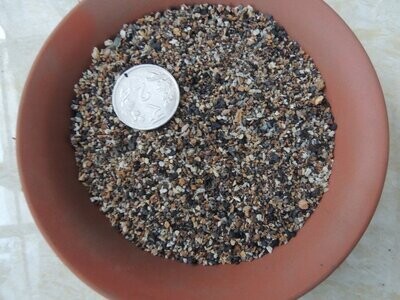
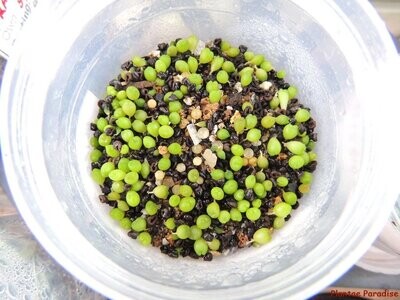
Cactus Seed Planting Mix
Cactus Seed Planting Mix
Sterile, Fine-Grain Media for Cactus & Succulent Seeds
SKU MNS005
₹74.85