Striking succulent Caralluma umbellata features fleshy stems with dotted patterns and crown-like flowers perfect for xeriscapes and rock gardens.
1. Origin of Name. The genus name Caralluma is derived from Latin and Greek roots meaning 'to receive' or 'to contain' likely referencing the swollen, fleshy stems used to store water The species name umbellata comes from Latin umbellatus meaning 'like an umbrella' referring to the shape of the flower clusters The plant was first described by botanists during early botanical explorations of arid regions of Africa and the Arabian Peninsula The name reflects the plant's characteristic umbrella-shaped flower clusters and succulent stems adapted to dry environments.
2. Origin of Plant. Caralluma umbellata is native to the arid regions of southern Africa, including Namibia and South Africa's Karoo and semi-desert areas It thrives in rocky slopes, dry ravines, and sandy soils where water is scarce and temperatures are high Discovered during early exploratory expeditions in the 19th century by botanists studying desert flora in Africa It has since become popular in cultivation for its distinctive appearance and drought tolerance.
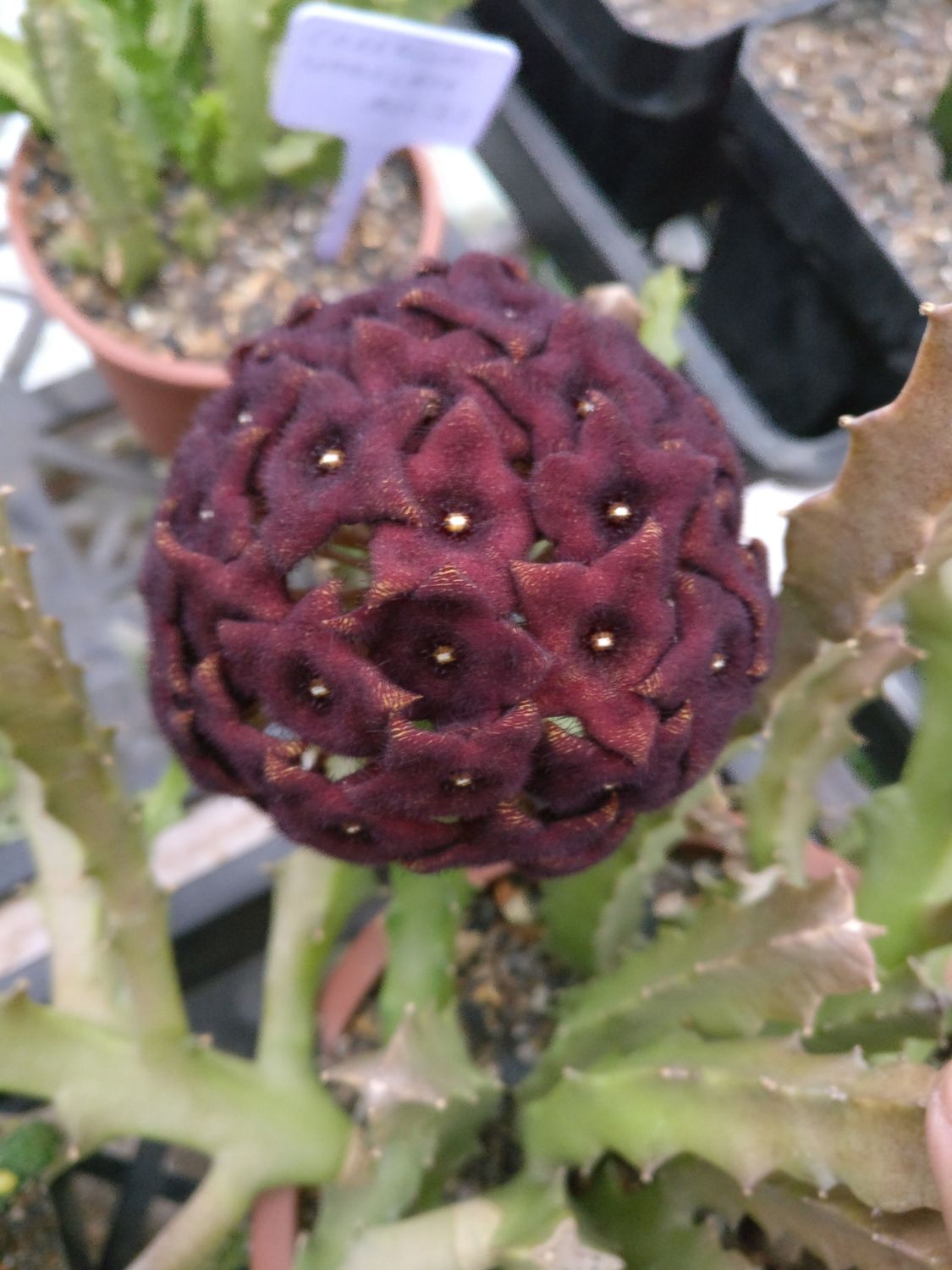
3. Description. Caralluma umbellata forms sprawling, fleshy, gray-green stems that are segmented and dotted with white warty tubercles and small glandular bumps giving a speckled appearance The stems can grow up to 1-2 feet in length and spread along the ground or climb Slightly succulent and covered with tubercles giving a textured appearance The flowers are umbels of pale yellow or grayish tubular blooms that emerge from the apex of the stems in summer The flowering cluster resembles an umbrella shape and adds ornamental value Its unique form makes it a striking subject for rock gardens or container planting.
4. Conservation Status": "Caralluma umbellata is not currently listed as threatened but habitat loss and over-collection for traditional medicine and ornamental use could impact wild populations Responsible cultivation and propagation through nurseries are encouraged to conserve wild resources.
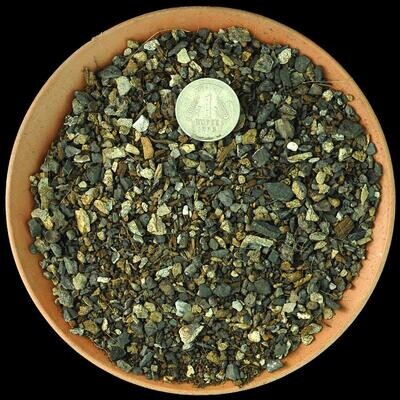
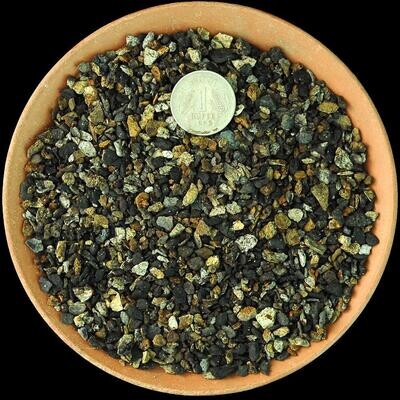
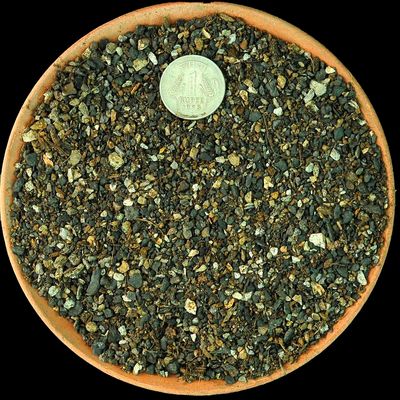
5. Care. Light: Prefers full sun to maximize flowering and coloration Watering: Very drought tolerant Water deeply but infrequently allow the soil to dry completely between watering Soil: Well-draining sandy or gritty cactus or succulent mix with added gravel or pumice Temperature: Thrives in warm conditions between 65-85°F 18-29°C Protect from frost in colder regions Fertilizer: Use a diluted cactus fertilizer during active growth in summer every 4-6 weeks Propagation: Mainly from cuttings or offsets which root quickly in dry, gritty soil.
6. Interesting Anecdote": "Caralluma is a genus with many species used traditionally by indigenous peoples in Africa and Arabia for medicinal purposes including appetite suppression and wound healing Its succulent stems are not only water reservoirs but also culturally significant plants Some species are also believed to have spiritual or medicinal properties which has increased interest among ethnobotanists and succulent collectors.