Caralluma umbelleta
Product Details
The Geometric Jewel of the Ghats: Caralluma umbellata
An exceptional lithophytic specimen boasting architectural, four-angled stems and striking terminal flower clusters, perfect for the serious collector seeking native Indian rarities.
- Origin & History of Name The genus name Caralluma is widely accepted to derive from the Arabic qahr-al-luhum (meaning "wound in the flesh" or "abscess") referring to the floral odor, though it also shares roots with the Telugu vernacular Karallamu, indicating its fleshy stems.
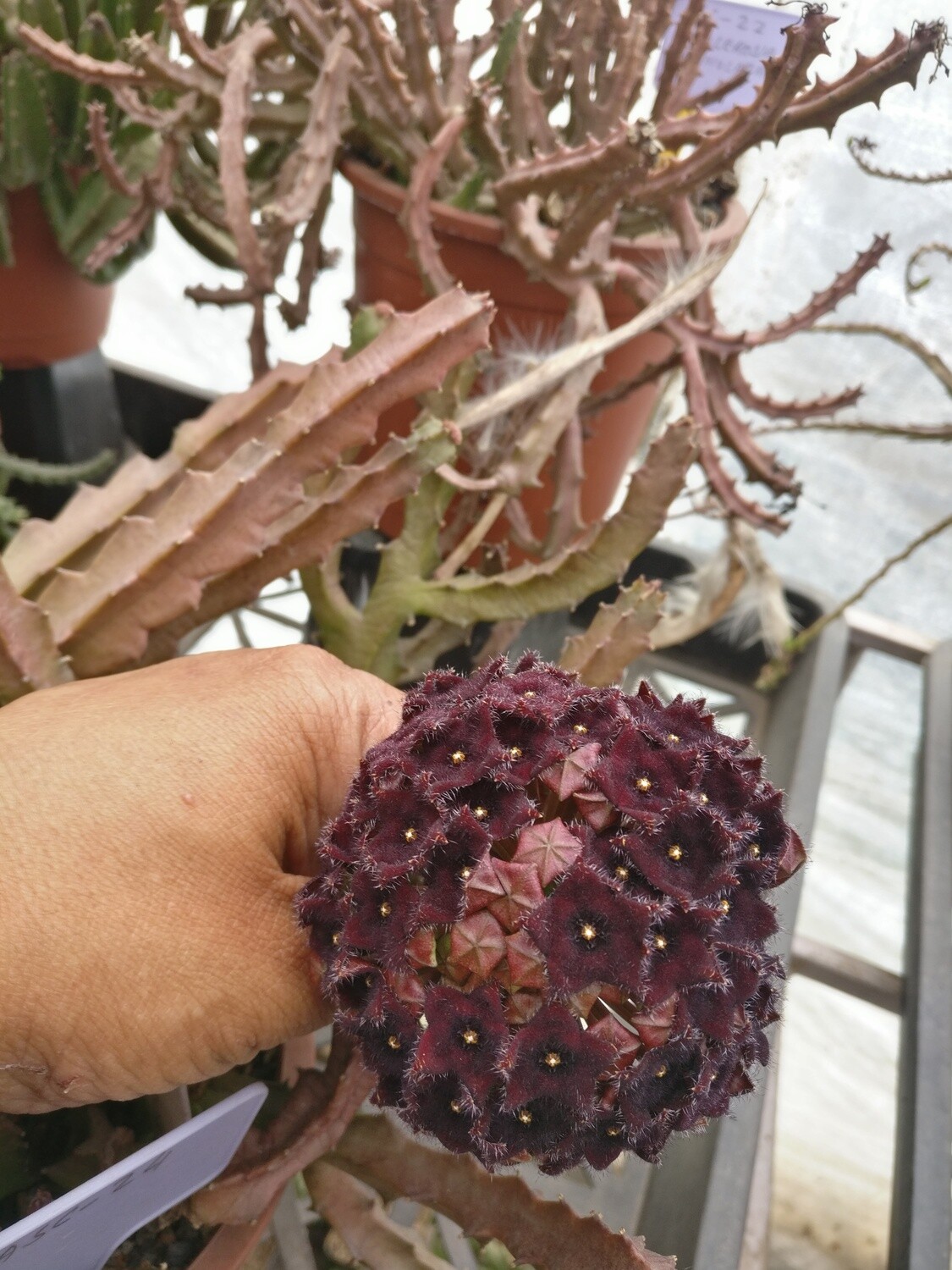
The specific epithet umbellata is Latin, describing the flowers which appear in distinct umbels (clusters originating from a common point), a key identifier separating it from related species. It was historically cataloged by William Roxburgh, often called the "Father of Indian Botany," in his seminal 1795 work Plants of the Coast of Coromandel. - Morphology This clump-forming succulent features robust, glabrous stems that are distinctly tetragonal (four-angled) with blunt margins, growing up to 30 cm tall.
True leaves are reduced to minute, caducous scales that fall off early, leaving the stems smooth. The primary attraction is the terminal inflorescence—a globose umbel of star-shaped flowers, typically showcasing a rich purple-brown corolla marked with intricate lighter striations or cilia, offering a complex visual texture. - Habitat & Origin Caralluma umbellata is a wild species native to the arid rock outcrops and dry deciduous forests of Peninsular India (specifically the Eastern Ghats) and Sri Lanka.
It is a lithophyte, naturally adapted to growing in rock crevices with minimal soil. While not widely commercially mass-produced, ethical sourcing is vital; buyers should ensure specimens are nursery-propagated (seed or cutting) rather than poached from the wild. - Cultivation Profile
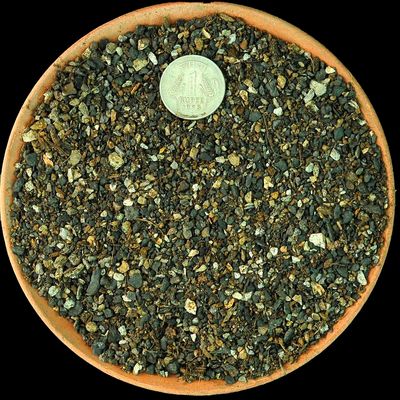
- Substrate: Requires a highly porous, mineral-heavy mix to mimic its rocky habitat. Use 70% grit (pumice, perlite, or gravel) and 30% cocopeat or compost. Avoid heavy garden soil completely to prevent root rot in Indian humidity.
- Light: Thrives in bright, indirect light to partial direct sun. In the Indian plains, provide protection from the harsh midday sun during May and June to prevent scorching.
- Water/Dormancy: Follow a "soak and dry" method during the growing season. Keep the substrate nearly bone-dry during winter dormancy. during the monsoon, shelter is mandatory—excess rain is the fastest way to kill this species.
- Scientific/Historical Anecdote While many Caralluma species are noted for their foul "carrion" smell to attract fly pollinators, Caralluma umbellata occupies a fascinating place in ethno-botany. In the Eastern Ghats, local tribes have historically referred to it as Kundeti kommulu (Rabbit's Horns) due to the shape of its paired follicles (seed pods), using it in traditional applications long before it entered the ornamental trade.
New

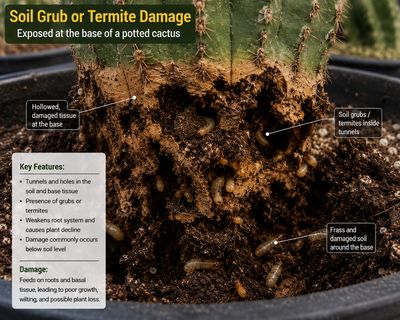
Monsoon Guardian Kit (5 in 1)
Monsoon Guardian Kit (5 in 1)
Complete 5-in-1 biological protection kit for cacti & succulents
SKU MNS024
₹850.00
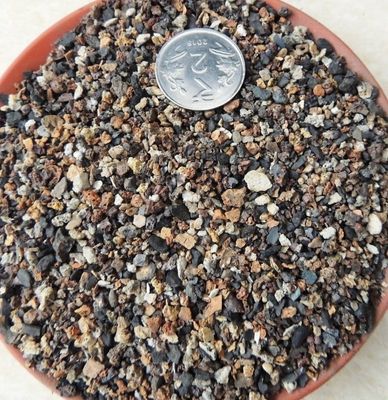
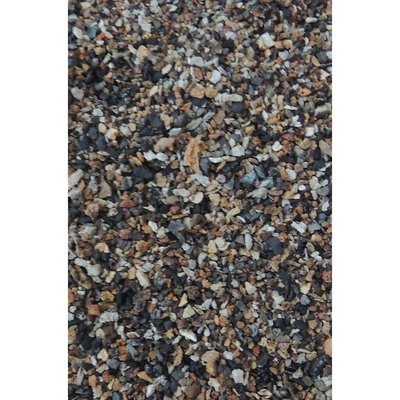
Cactus & Succulent Planting Mix FINE (aka Cactus Soil Mix or Succulent Soil Mix)
Cactus & Succulent Planting Mix FINE (aka Cactus Soil Mix or Succulent Soil Mix)
Fine-Grain Potting Mix for Cactus & Succulent Roots
SKU MNS001
₹39.85
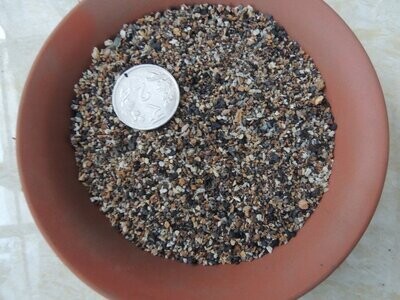
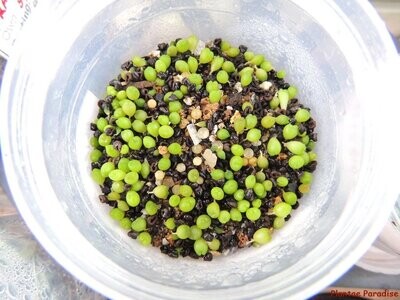
Cactus Seed Planting Mix
Cactus Seed Planting Mix
Sterile, Fine-Grain Media for Cactus & Succulent Seeds
SKU MNS005
₹74.85