Architectural Succulence: Ceraria namaquensis
A masterwork of desert evolution, this rare caudiciform serves as a living sculpture for the discerning collector.
1. Origin & History of Name
The genus name Ceraria is derived from the Latin cera, meaning "wax," referring to the thin, waxy film that coats the stems to prevent desiccation. It was first described by botanists George Engelmann and later refined by Hermann Friedrich Albrecht von Dieren in the early 20th century. The specific epithet namaquensis denotes its primary origin in Namaqualand, an arid region spanning South Africa and Namibia.
2. Morphology
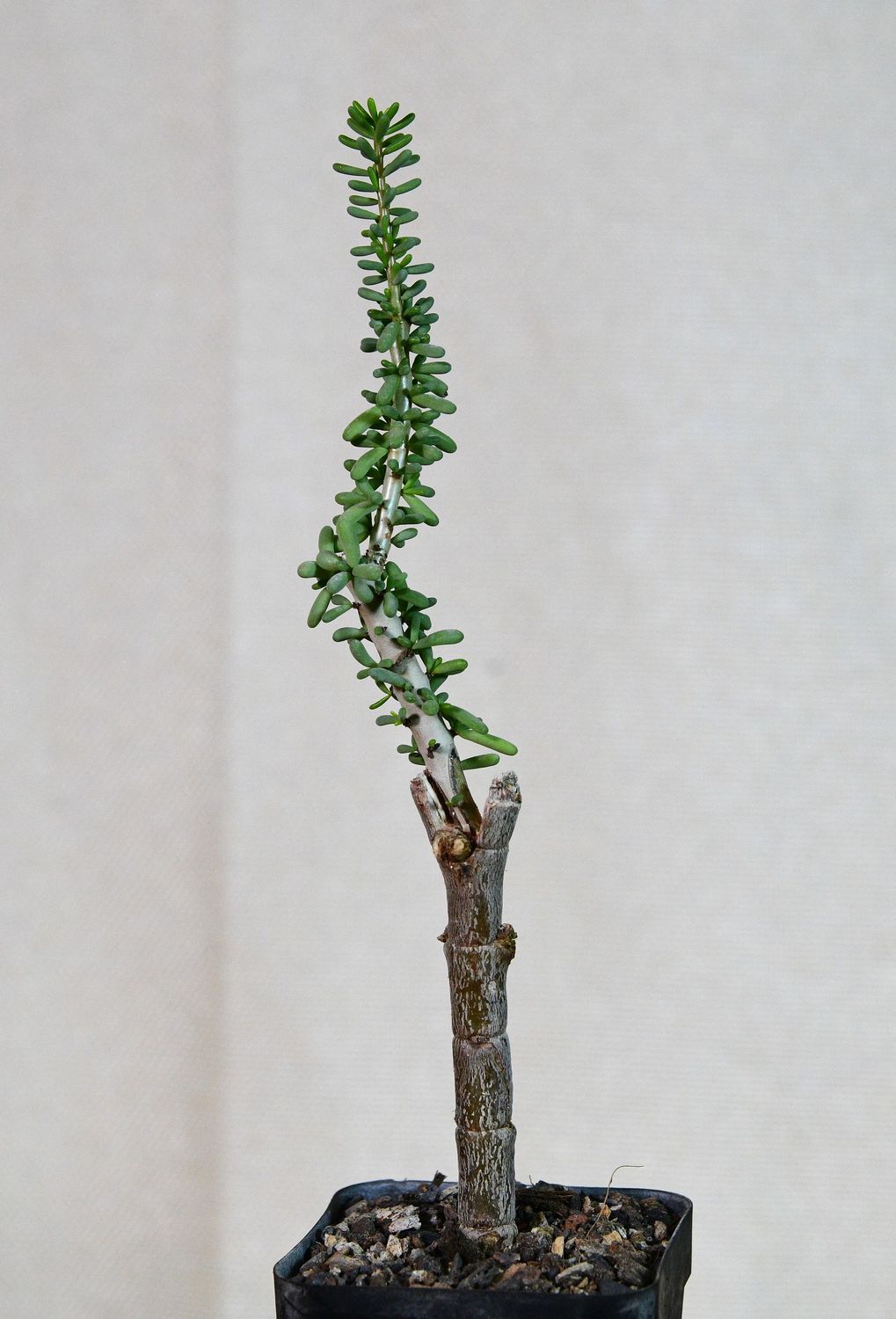
Ceraria namaquensis, often called the "False Portulacaria," is a slow-growing woody succulent.
3. Habitat & Origin
This is a wild species native to the Richtersveld and the lower Orange River valley in the Succulent Karoo biome. Due to its slow growth rate and specialized niche, it is highly sought after. Responsible nurseries offer specimens propagated from seed or cuttings to ensure the sustainability of wild populations, which are protected under CITES Appendix II.
4. Cultivation Profile
In the Indian subcontinent, environmental management is key to preventing root rot during the monsoon.
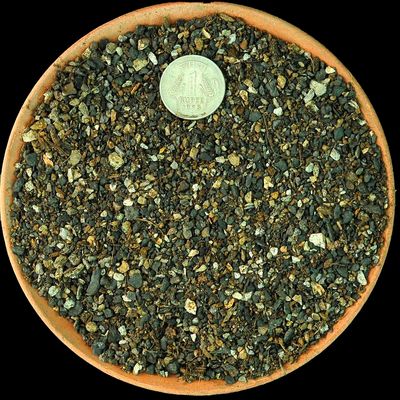
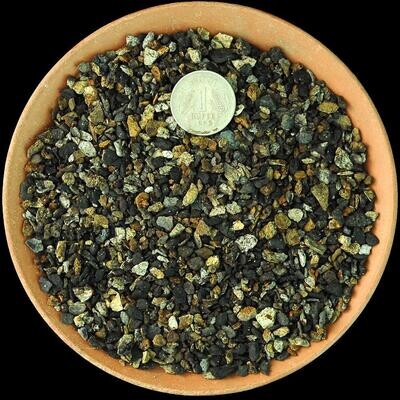
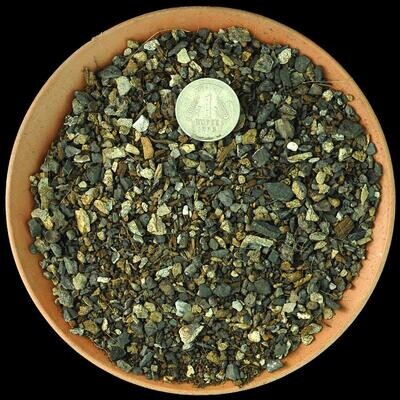
- Substrate: Use a strictly mineral-based mix (70% pumice, perlite, or crushed leca and 30% coarse sand/loam) with zero peat or moisture-retentive organic matter.
- Light: Requires full sun to high-intensity filtered light.
In North India, provide 40% shade during the peak of May-June; in South/Coastal India, maximize exposure. - Water/Dormancy: It is an opportunistic grower but leans toward winter growth. Water sparingly when the substrate is bone-dry. During the Indian monsoon, withhold water entirely and ensure high ventilation to prevent fungal pathogens.
5. Scientific/Historical Anecdote
Recent molecular phylogenetic studies have suggested that Ceraria is so closely related to the genus Portulacaria that many botanists now classify C. namaquensis as Portulacaria namaquensis.