

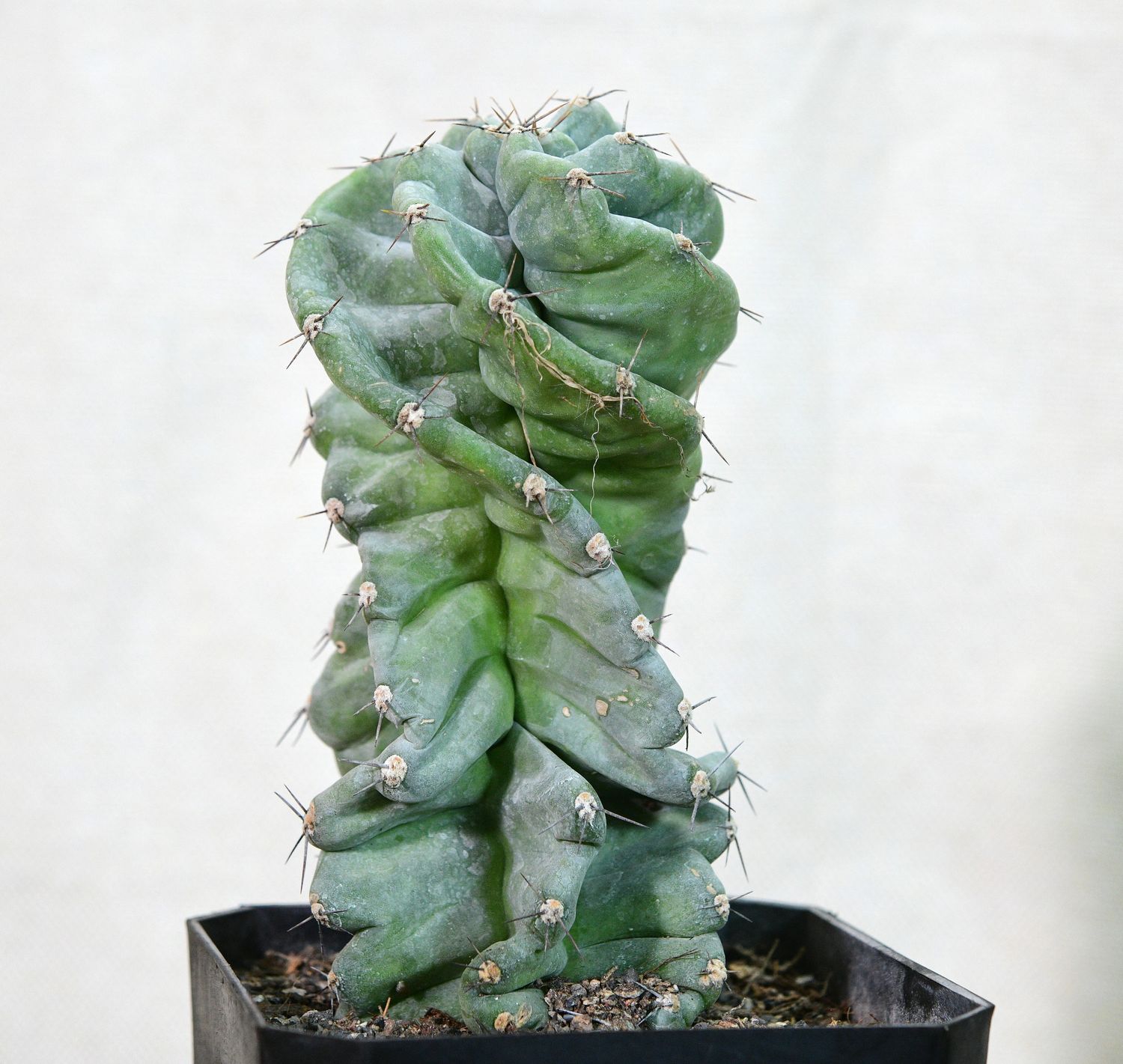
Cereus peruvianus f. Tortulosus (Cereus forbesii cv. Spiralis)
Product Details
Twisted Masterpiece: Cereus peruvianus f. Tortulosus (Cereus forbesii cv. Spiralis)
This architectural marvel is a living sculpture, coveted by collectors for its rare, geometric spiral growth that defies standard botanical symmetry.
- Origin & History of Name: The name Cereus derives from the Latin word for "wax" or "torch," referring to the candle-like shape of the genus.
The specific epithet forbesii honors James Forbes, a 19th-century British botanist and gardener to the Duke of Bedford. The cultivar name Spiralis and the form Tortulosus (from the Latin torquere, to twist) directly describe the plant's unique clockwise or counter-clockwise growth mutation. - Morphology: This columnar cactus is defined by its dramatic costae (ribs) which, instead of running vertically, twist around the central axis.
Its epidermis features a glaucous, blue-green hue with a waxy coating to prevent desiccation. Unlike the straight species, this cultivar lacks a consistent central leader, resulting in a distorted, trunkless silhouette adorned with small areoles that produce minimal spines. - Habitat & Origin: This is a cultivar, not a wild-occurring species. While the parent species Cereus forbesii is native to the arid regions of Argentina and Bolivia, the "Spiralis" mutation was first stabilized and propagated in a nursery in Europe (specifically Italy) in the 1980s. All specimens in the trade are produced via cuttings or grafting to ensure the genetic mutation is preserved sustainably.
- Cultivation Profile:
- Substrate: Use a strictly mineral-based mix (50% volcanic pumice or perlite, 25% coarse river sand, and 25% organic compost) to ensure rapid drainage.
- Light: Requires bright, indirect sunlight; in the Indian context, provide 40–50% shade during the intense afternoon heat of April to June to prevent epidermal scorching.
- Water/Dormancy: Follow a "soak and dry" method. During the monsoon, keep the plant strictly dry. In winter (dormancy), reduce watering to once a month or less depending on local humidity.
- Scientific/Historical Anecdote: The spiral morphology is the result of a rare genetic mutation that affects the plant's apical meristem (the growth tip). Unlike most mutations that weaken a plant, the Spiralis form is exceptionally robust. Interestingly, while most spiral cacti are clones of the original 1980s discovery, occasional "reversions" occur where the plant may suddenly begin growing straight ribs again, only to resume spiraling years later for reasons still not fully understood by botanists.
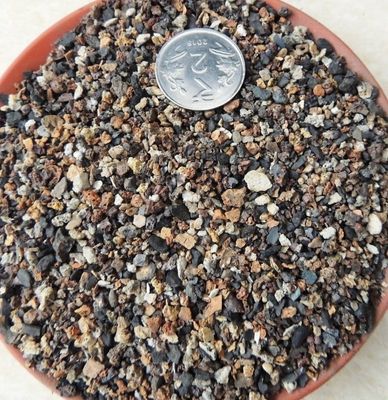

Cactus & Succulent Planting Mix FINE (aka Cactus Soil Mix or Succulent Soil Mix)
Cactus & Succulent Planting Mix FINE (aka Cactus Soil Mix or Succulent Soil Mix)
Fine-Grain Potting Mix for Cactus & Succulent Roots
SKU MNS001
₹39.85
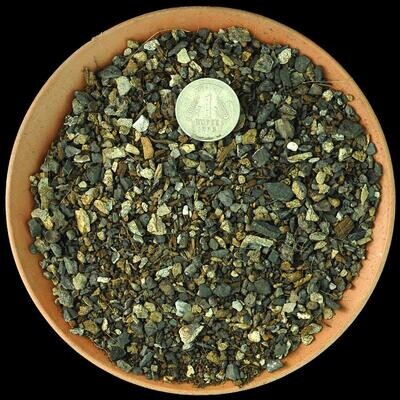
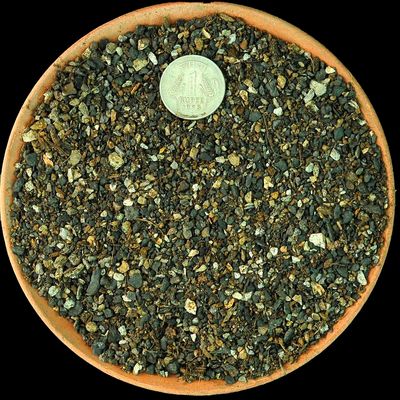

Cactus & Succulent Planting Mix COARSE (aka Cactus Soil Mix or Succulent Soil Mix)
Cactus & Succulent Planting Mix COARSE (aka Cactus Soil Mix or Succulent Soil Mix)
Washed, Free-Draining Mineral Mix for Cactus & Succulents
SKU MNS003
₹44.85