

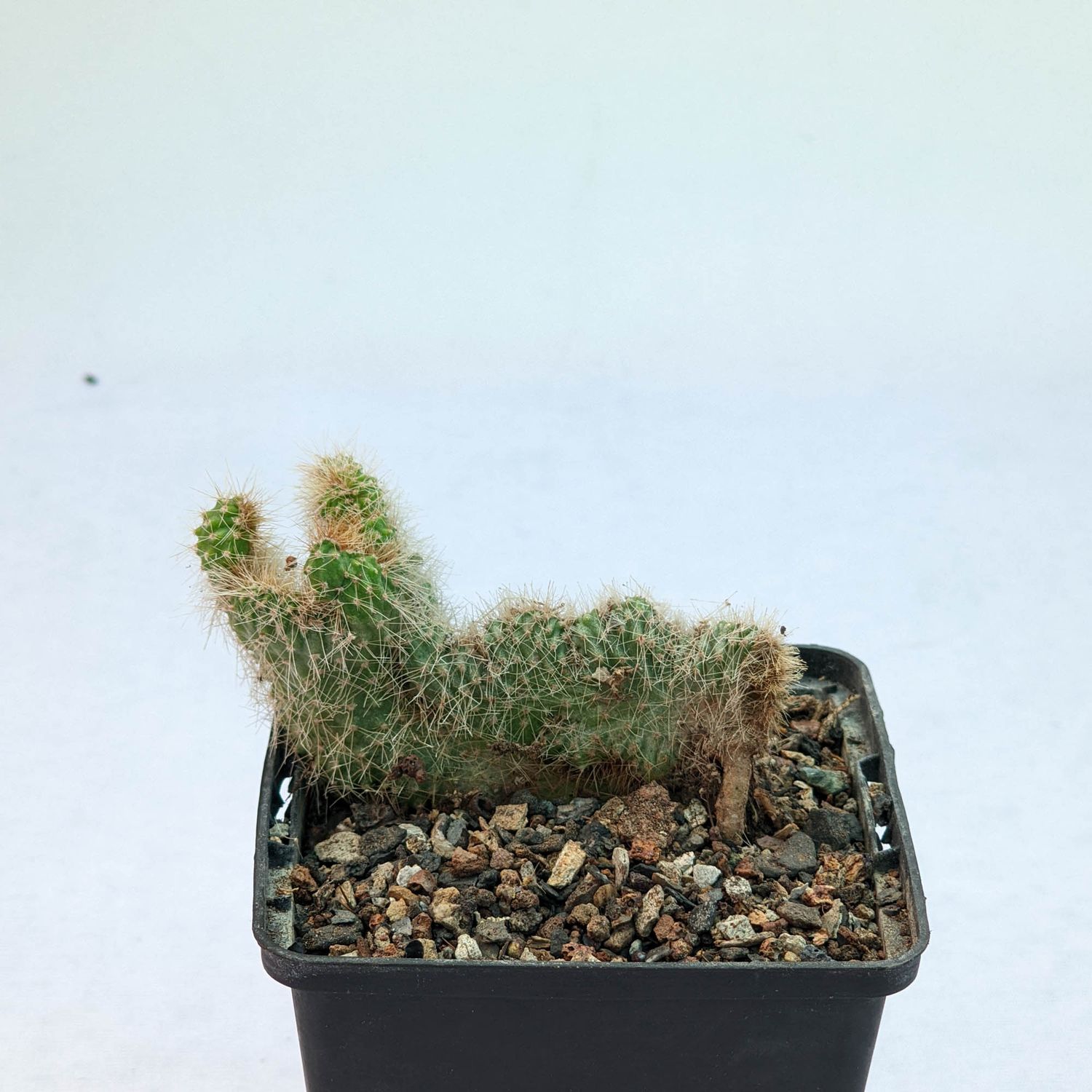
Cereus Repandus f. Monstruosus ‘Rojo’ Crest
Product Details
Sculptural Crimson: Cereus repandus f. monstruosus ‘Rojo’ Crest
A rare, architectural marvel featuring a unique mutation that produces tight, fan-like ripples flushed with a deep reddish-purple hue.
- Origin & History of Name: The genus name Cereus stems from the Latin word for "wax" or "torch," referencing the candle-like shape of the standard species. Repandus translates to "wavy" or "undulating." The designation f. monstruosus indicates a "monstrose" growth habit, while ‘Rojo’ (Spanish for red) highlights the specific anthocyanin-rich coloration of this selection. The term "Crest" refers to the fasciation—a genetic mutation where the growing point expands into a line rather than a single point.
- Morphology: This specimen exhibits fasciation, where the apical meristem (growth tip) elongates laterally, creating a brain-like or fan-shaped epidermis. Unlike the columnar parent, this form lacks traditional costae (ribs), instead presenting a convoluted, bumpy surface. The ‘Rojo’ variant is distinct for its high concentration of pigments that cause the tips and ridges to turn a vivid burgundy-red when exposed to bright light.
- Habitat & Origin: This is a specialized cultivar derived from Cereus repandus, which is native to the Caribbean and South America. The "monstrose" and "crested" forms are rare genetic mutations preserved through vegetative propagation (cuttings) rather than found in massive wild populations. Our specimens are nursery-grown, ensuring no impact on wild ecosystems.
- Cultivation Profile:
- Substrate: Use a strictly mineral-based mix (60% grit/pumice/perlite, 40% organic matter) to prevent moisture retention around the sensitive root neck.
- Light: Thrives in bright, indirect sunlight. In the Indian subcontinent, provide 40–50% shade during peak summer afternoons to prevent sunburn on the crest’s ridges.
- Water/Dormancy: Follow a "soak and dry" method. Reduce watering to once every 4–6 weeks during the winter dormancy (November to February) to prevent fungal rot in high-humidity regions.
- Scientific/Historical Anecdote: The parent species, Cereus repandus, is often called the "Peruvian Apple Cactus" because it produces large, pitaya-like fruits. While the standard tree can reach 10 meters in height, the monstruosus mutation—first documented in European botanical collections in the early 19th century—stunts vertical growth in favor of its bizarre, distorted geometry, making it a permanent "living sculpture."
New
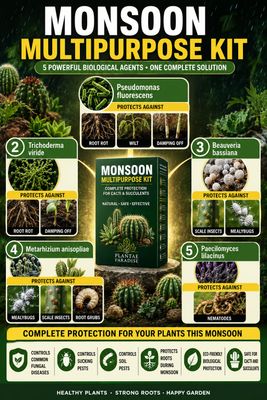
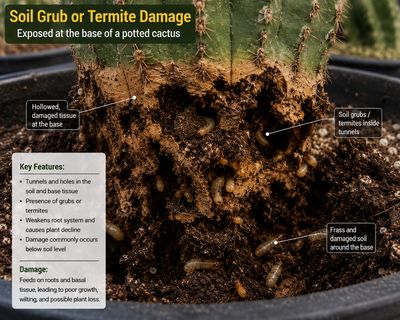
Monsoon Guardian Kit (5 in 1)
Monsoon Guardian Kit (5 in 1)
Complete 5-in-1 biological protection kit for cacti & succulents
SKU MNS024
₹850.00
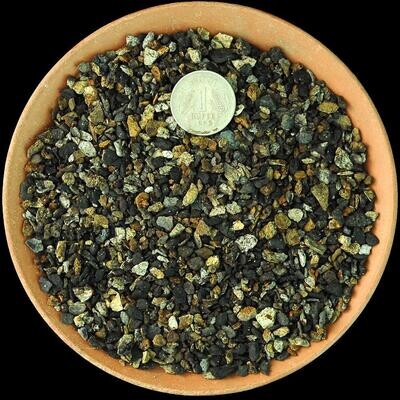
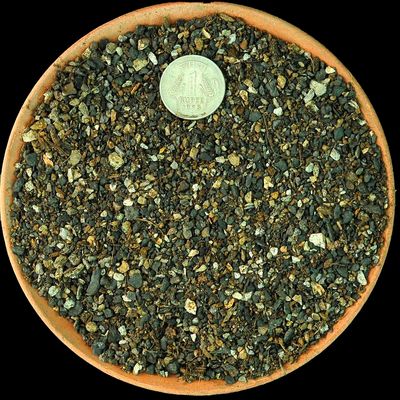
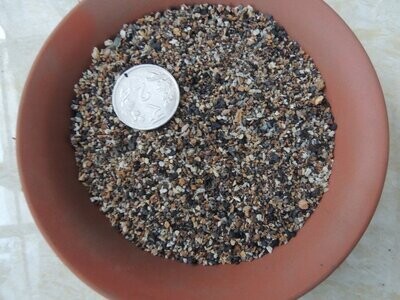
Cactus & Succulent Planting Mix COARSE (aka Cactus Soil Mix or Succulent Soil Mix)
Cactus & Succulent Planting Mix COARSE (aka Cactus Soil Mix or Succulent Soil Mix)
Washed, Free-Draining Mineral Mix for Cactus & Succulents
SKU MNS003
₹44.85
Cactus Seed Planting Mix
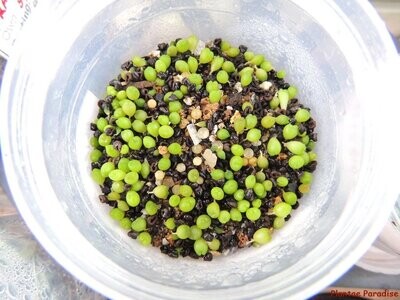
Cactus Seed Planting Mix
Sterile, Fine-Grain Media for Cactus & Succulent Seeds
SKU MNS005
₹74.85