1. Origin of Name
The name Chaemeocerous hybrid 'Rose Quartz' is a fascinating blend of botanical and cultural inspiration. The genus name Chaemeocerous comes from the Greek words chamai (meaning "on the ground") and ceros (meaning "horn"), referring to the plant’s low-growing, horn-like stems. The hybrid variety 'Rose Quartz' is named after the semi-precious gemstone known for its soft pink hues, which perfectly mirrors the deep magenta flowers of this cactus. The name evokes both the plant’s striking beauty and its delicate, gem-like appearance.
Historically, the Peanut Cactus (Echinopsis chamaecereus) has been a favorite among cacti enthusiasts for its prolific flowering and unique stem structure. The hybrid 'Rose Quartz' was developed to enhance the plant’s ornamental appeal, particularly its vibrant flowers. While the exact date of its hybridization is unclear, it has become a beloved cultivar in the succulent world for its stunning color and ease of care.
2. Origin of Plant
The Peanut Cactus (Echinopsis chamaecereus) is native to the mountainous regions of Argentina, where it thrives in rocky, well-drained soils and arid climates. This hybrid, 'Rose Quartz,' is a cultivated variety, bred to accentuate the plant’s natural beauty and hardiness.
The original species was first described by botanists in the early 20th century, and its unique, peanut-shaped stems quickly made it a popular choice for collectors. The hybrid 'Rose Quartz' was developed to bring out the plant’s most striking features, including its deep magenta flowers and compact growth habit.
3. Description
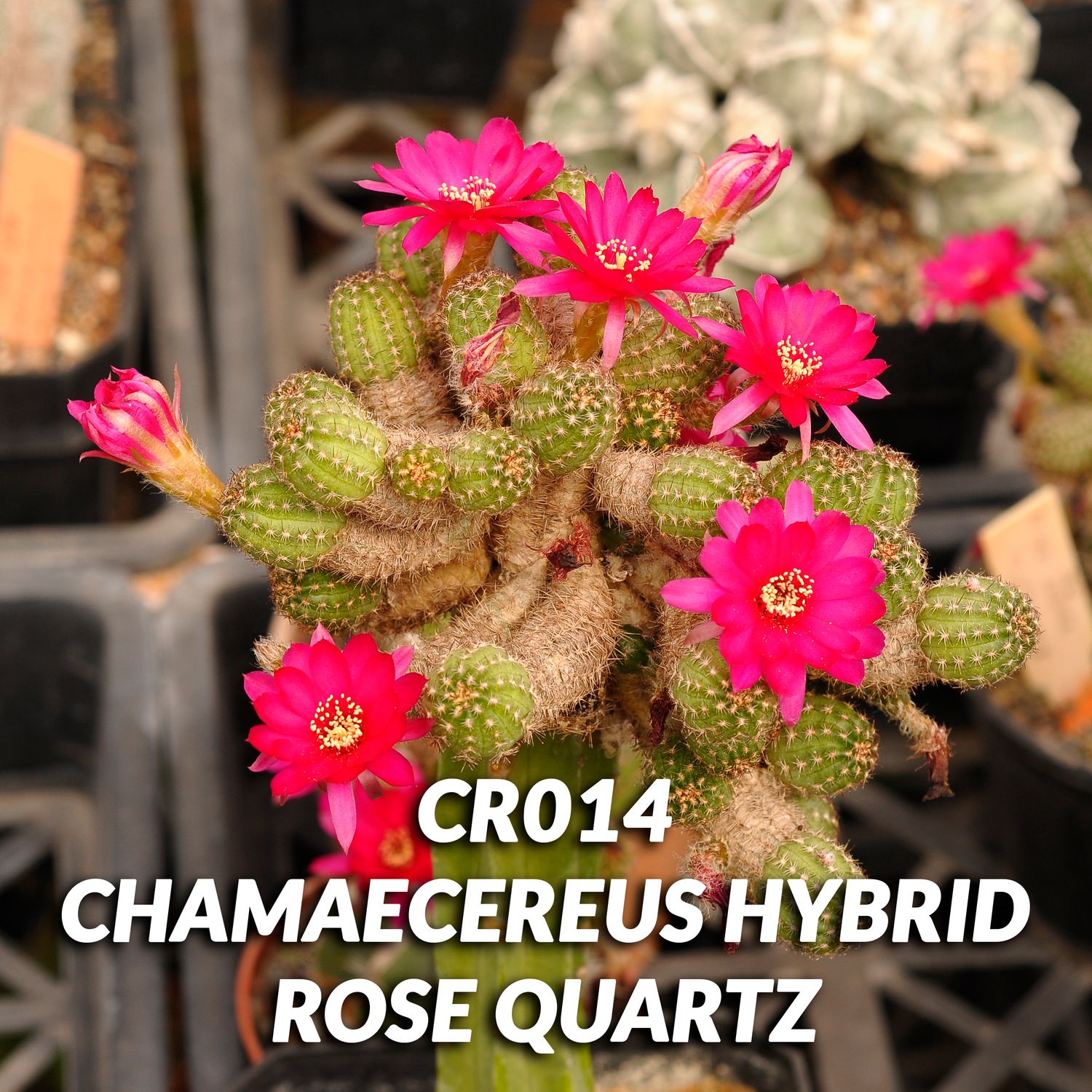
The Chaemeocerous hybrid 'Rose Quartz' is a true showstopper in the world of cacti. Its stems are short, cylindrical, and segmented, resembling a cluster of plump peanuts—hence the common name "Peanut Cactus." The stems are a soft green, often with a slightly ribbed texture, and grow in a low, clumping habit, making it an excellent choice for containers or rock gardens.
The real star of this plant is its deep magenta flowers, which bloom profusely in late spring and early summer. Each flower is large, trumpet-shaped, and radiates a vibrant, jewel-like hue that contrasts beautifully with the plant’s green stems. The flowers open during the day and close at night, adding a dynamic element to its display.
This hybrid is relatively small, typically reaching 6-8 inches in height, but it can spread outwards to form a dense, eye-catching cluster. Its compact size and stunning flowers make it a perfect addition to any succulent collection or as a standalone ornamental piece.
4. Conservation Status
The Peanut Cactus (Echinopsis chamaecereus) is not considered threatened or endangered in its natural habitat. However, like many cacti, it faces potential risks from habitat loss and over-collection in the wild. The hybrid 'Rose Quartz' is a cultivated variety, so it does not impact wild populations.
Cacti conservation efforts are ongoing worldwide, with many organizations working to protect native habitats and promote sustainable cultivation practices. By purchasing cultivated hybrids like 'Rose Quartz,' you’re supporting ethical plant trade and reducing pressure on wild populations.
5. Care
The Chaemeocerous hybrid 'Rose Quartz' is a low-maintenance plant that thrives with minimal care, making it ideal for both beginners and experienced gardeners.
- Light: This cactus loves bright, indirect sunlight. A south-facing window or a spot with filtered light is perfect. Too much direct sun can scorch the stems, so provide some shade during the hottest part of the day.
- Watering: Water sparingly, allowing the soil to dry out completely between waterings. Overwatering can lead to root rot, so err on the side of underwatering. During the winter, reduce watering to once a month.
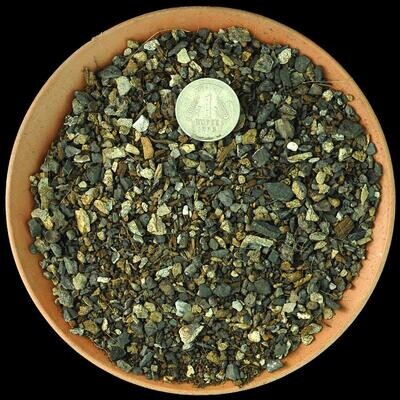
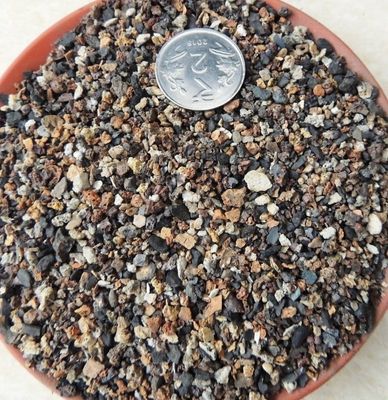
- Soil: Use a well-draining cactus or succulent mix. Adding perlite or sand can improve drainage and mimic its natural rocky habitat.
- Temperature: This cactus prefers warm temperatures (70-85°F) during the growing season and cooler temperatures (50-60°F) in winter to encourage blooming.
- Fertilizer: Feed with a diluted cactus fertilizer once a month during the growing season (spring and summer).
- Propagation: Easily propagated by stem cuttings. Simply remove a segment, let it callous over for a few days, and plant it in well-draining soil.
6. Interesting Anecdote
The Peanut Cactus has a quirky history in the world of botany. In the early 20th century, it was often confused with other small, clumping cacti, leading to a series of reclassifications. Its unique, peanut-shaped stems eventually earned it a distinct place in the Echinopsis genus.
The hybrid 'Rose Quartz' has become a favorite among succulent enthusiasts for its ability to bloom reliably, even in less-than-ideal conditions. Its deep magenta flowers are said to symbolize resilience and beauty in adversity, making it a popular gift for plant lovers who appreciate both its aesthetic and symbolic value.
Why Choose Chaemeocerous hybrid 'Rose Quartz'?
With its striking deep magenta flowers, compact size, and easy-care nature, the Chaemeocerous hybrid 'Rose Quartz' is a must-have for any cactus lover. Whether you’re a seasoned collector or just starting your succulent journey, this plant will bring a touch of natural elegance and vibrant color to your space.
Add this gem to your collection today and enjoy the beauty of the 'Rose Quartz' Peanut Cactus!