

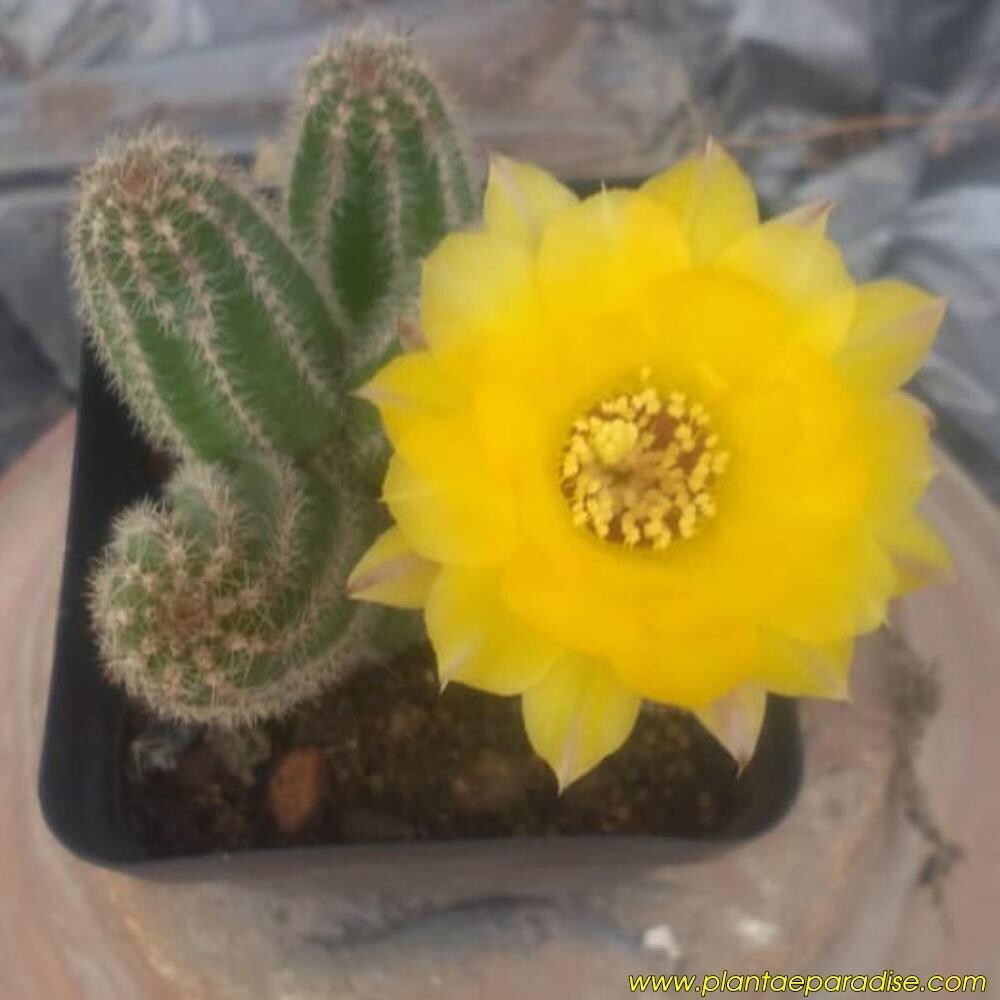
Chaemolobivia "Canary" (Peanut Cactus)
Product Details
Radiant Floral Architecture: Chamaelobivia cv. 'Canary'
A high-performance hybrid celebrated for its prolific, neon-yellow blooms and rapid-clustering geometric form.
- Origin & History of Name: The portmanteau Chamaelobivia denotes an intergeneric hybrid between Chamaecereus (from the Greek chamai, meaning "on the ground") and Lobivia (an anagram of Bolivia, the genus's primary habitat). The cultivar name 'Canary' specifically references the vivid, sulfur-yellow pigmentation of its petals, a departure from the traditional brick-red of the parent species.
- Morphology: This cactus features elongated, cylindrical stems with roughly 8–10 shallow costae (ribs). The epidermis is a soft matte green, densely populated with short, bristly white spines emerging from closely set areoles. Unlike solitary species, this hybrid is highly caespitose, meaning it aggressively produces offsets or "pups" to form a dense mat. Its funnel-shaped flowers are large relative to the stem diameter, often obscuring the plant during peak anthesis.
- Habitat & Origin: Chamaelobivia 'Canary' is a horticultural cultivar; it does not exist in the wild.
- Cultivation Profile:
- Substrate: Requires an open-structured mineral mix. Use a base of coarse river sand, crushed grit, and cinder (40%) with a small fraction of compost to accommodate its higher nutrient needs during flowering.
- Light: Thrives in bright, filtered sunlight. In the Indian subcontinent, morning sun is ideal, but protection with 50% shade cloth is mandatory during the harsh midday heat of April and May to prevent epidermal scorching.
- Water/Dormancy: Provide regular watering when the substrate is dry during the spring growing season. To trigger flower bud induction in the Indian climate, the plant requires a cool, dry rest from December to February; withhold water significantly during these months to simulate its Andean ancestral lineage.
- Scientific/Historical Anecdote: The parent species, Chamaecereus silvestrii, was first described by speleologist and botanist Carlo Luigi Spegazzini in 1905. Interestingly, despite being one of the most common cacti in global cultivation today, the original wild population in Tucumán, Argentina, was lost for decades and considered extinct in habitat until small populations were recently rediscovered, making these nursery hybrids vital genetic repositories.
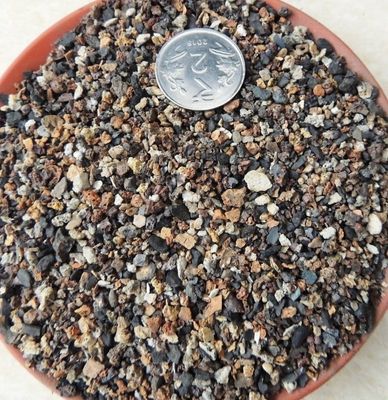
Cactus & Succulent Planting Mix FINE (aka Cactus Soil Mix or Succulent Soil Mix)
Cactus & Succulent Planting Mix FINE (aka Cactus Soil Mix or Succulent Soil Mix)
Fine-Grain Potting Mix for Cactus & Succulent Roots
SKU MNS001
₹35.51
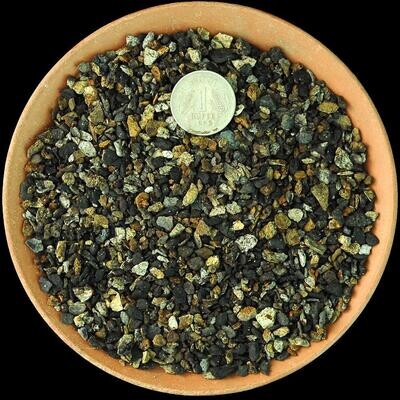
Cactus & Succulent Planting Mix COARSE (aka Cactus Soil Mix or Succulent Soil Mix)
Cactus & Succulent Planting Mix COARSE (aka Cactus Soil Mix or Succulent Soil Mix)
Washed, Free-Draining Mineral Mix for Cactus & Succulents
SKU MNS003
₹40.51
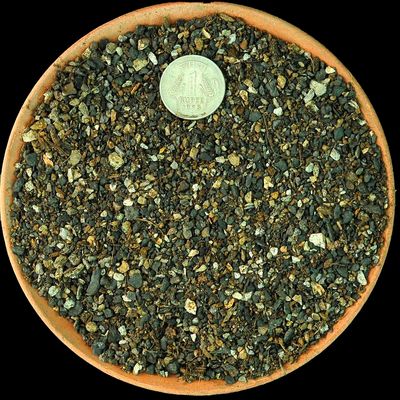
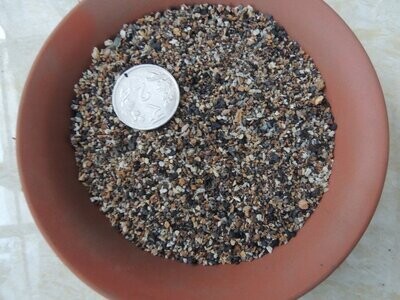
Cactus Seed Planting Mix
Cactus Seed Planting Mix
Sterile, Fine-Grain Media for Cactus & Succulent Seeds
SKU MNS005
₹70.51