

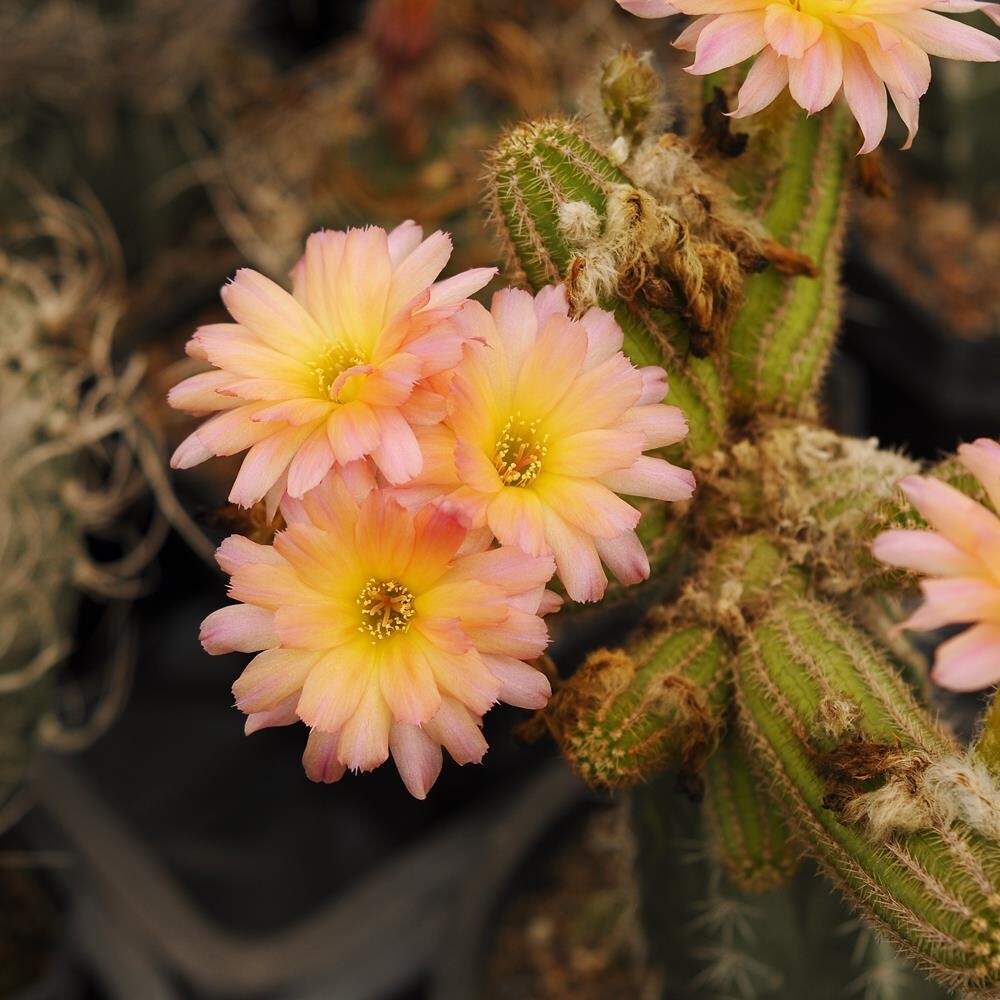
Chamaelobivia CV Perla di verona (Peanut Cactus)
Product Details
Floral Radiance: Chamaelobivia CV 'Perla di Verona'
A masterwork of hybrid vigor, this cultivar offers the architectural resilience of a cactus paired with the delicate, pearlescent blooms of a rare jewel.
- Origin & History of Name: The name is a portmanteau of its parent genera, Chamaecereus and Lobivia. The cultivar name 'Perla di Verona' (Pearl of Verona) is an Italian designation likely referencing the shimmering, soft-pink luster of its petals, evoking the romantic and historical elegance of the city of Verona.
- Morphology: This intergeneric hybrid features cylindrical, clumping stems with a light-green epidermis. It is characterized by numerous low costae (ribs) adorned with short, non-aggressive radial spines. Its primary appeal is the funnel-shaped flower, which exhibits a high petal count and a distinct satiny sheen, typical of high-quality 'Perla' selections.
- Habitat & Origin: This is a man-made cultivar, not found in the wild. It is the result of selective breeding between Argentine Lobivia species and the "Peanut Cactus" (Chamaecereus). Our specimens are propagated via sustainable offsets to preserve the genetic integrity of the 'Perla di Verona' line.
- Cultivation Profile:
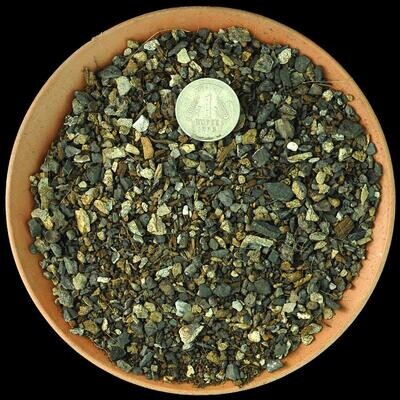
- Substrate: A strictly mineral-based mix (60% coarse sand, pumice, or grit) to prevent root rot in humid Indian climates.
- Light: Requires bright, filtered sunlight. In the Indian summer, provide 50% shade cloth protection to avoid epidermal scorching.
- Water/Dormancy: Follow a "soak and dry" cycle. Maintain strict winter dormancy (November–February) by withholding water entirely to trigger spring budding.
- Scientific/Historical Anecdote: The Chamaelobivia group is a favorite among botanists for demonstrating "hybrid vigor." While the parent Chamaecereus is often prone to pests, these hybrids often inherit the rugged, cold-hardy nature of high-altitude Lobivia, making them significantly more resilient in diverse domestic environments.
New
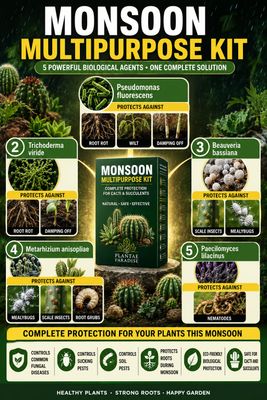
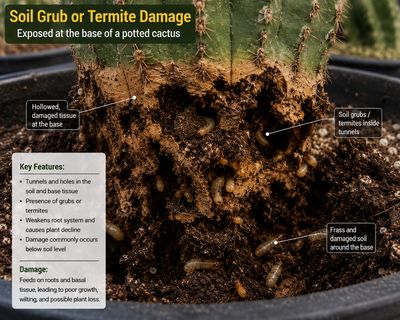
Monsoon Guardian Kit (5 in 1)
Monsoon Guardian Kit (5 in 1)
Complete 5-in-1 biological protection kit for cacti & succulents
SKU MNS024
₹850.00
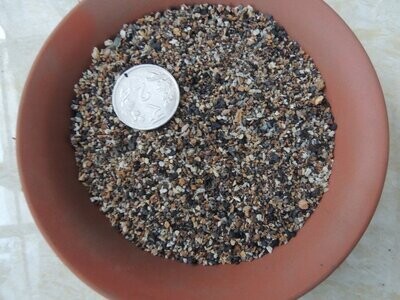
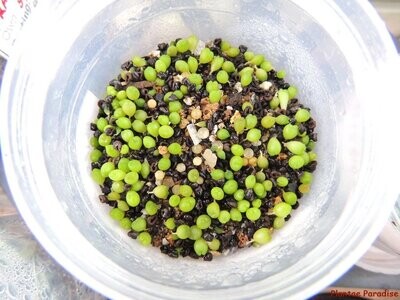
Cactus Seed Planting Mix
Cactus Seed Planting Mix
Sterile, Fine-Grain Media for Cactus & Succulent Seeds
SKU MNS005
₹74.85
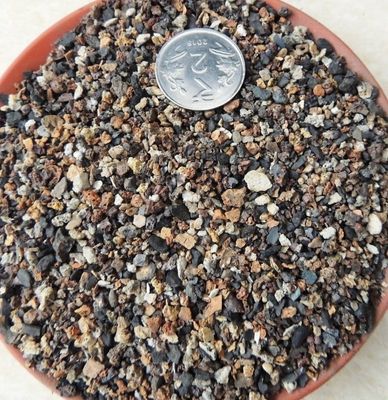
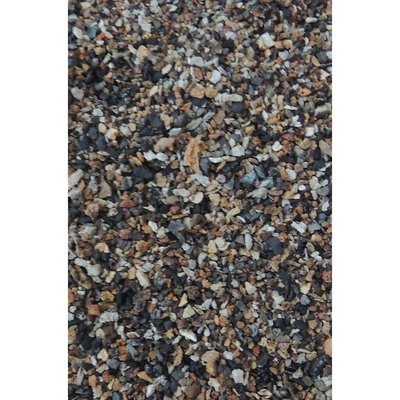
Cactus & Succulent Planting Mix FINE (aka Cactus Soil Mix or Succulent Soil Mix)
Cactus & Succulent Planting Mix FINE (aka Cactus Soil Mix or Succulent Soil Mix)
Fine-Grain Potting Mix for Cactus & Succulent Roots
SKU MNS001
₹39.85